Irish Examiner view: Why are we indifferent  to the weak?
Abuses, for that is what they are, cannot continue in a society that presents itself as humane, advanced, and caring
Irish Examiner view: Why are we indifferent  to the weak?

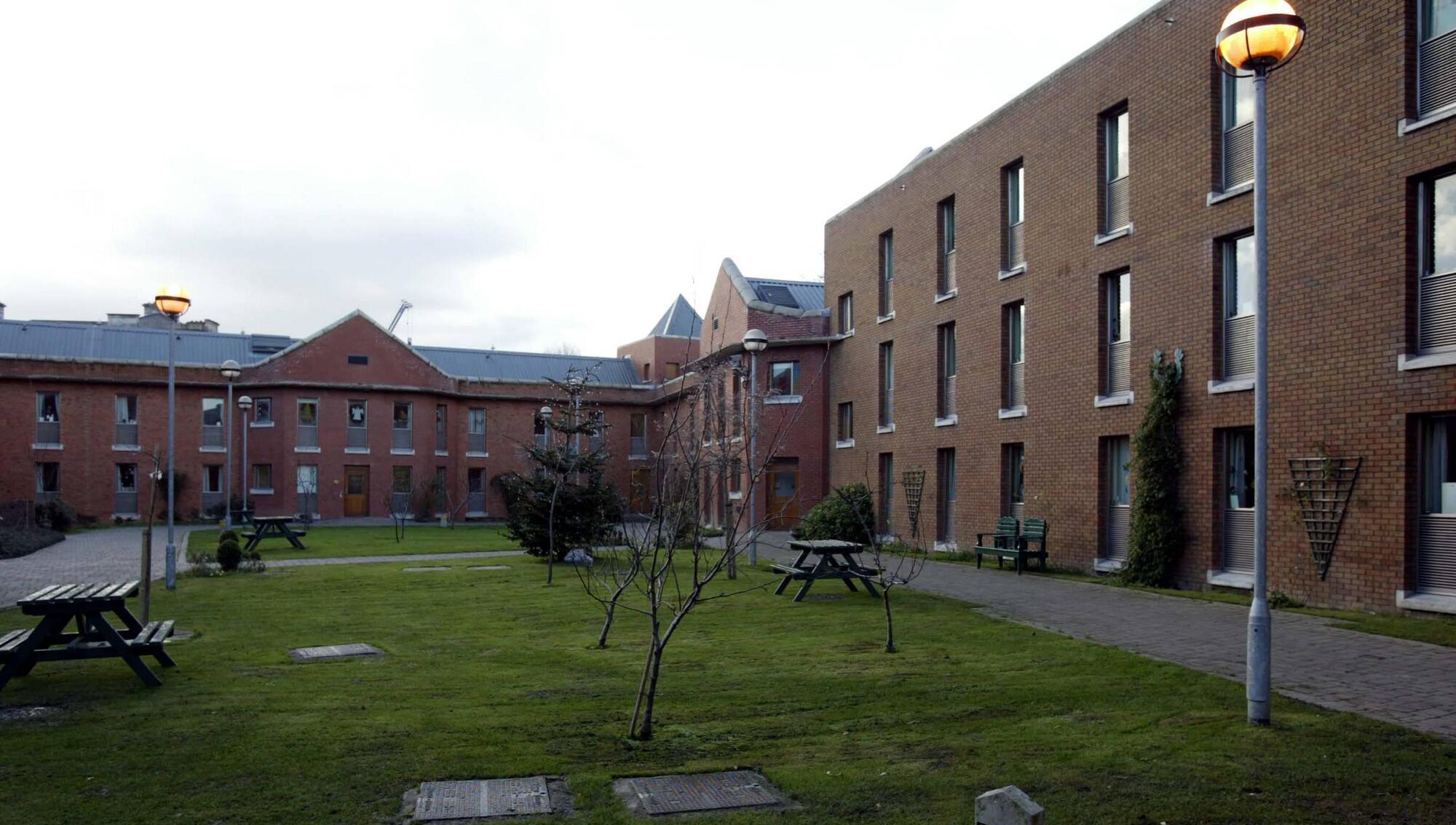
The overwhelming theme of the chaplain's annual reports in the state’s 12 prisons is the futility, abuse, and extent of neglect in repeatedly incarcerating in prisons persons who should be receiving treatment in an appropriate setting for mental illness. File Picture: Collins

Last week, the Irish Examiner’s Neil Michael detailed how some nursing homes were overwhelmed by the pandemic.

He detailed harrowing stories of loved ones lost to families, many forced to die alone without even the comfort nursing staff might offer. He told of how Ballynoe Nursing Home, with 51 beds, recorded 21 Covid deaths. That home is not unique. The pandemic, for myriad reasons, took a heavy toll in these settings. How many of those deaths might have been averted had better staffing levels and procedures been in place remains an open question — as is the validity of the
for-profit model of long-term care for old people.

In April, it was widely reported that the HSE had failed to address breaches of regulations in its nursing homes. In communications stretching over several years, the Health Information and Quality Authority (Hiqa) offered that the HSE had not taken action to address shortcomings in designated centres for older people. This was “adversely impacting on the quality of life, the wellbeing, privacy, and dignity of vulnerable people living in those centres”, Hiqa declared.

That 16 years have passed since the Leas Cross scandal underlines that this situation is not new or unknown. The infamous Áras Attracta case of 2013 was another reminder of how care standards can fall far, far short of what is required. Yet these shameful issues persist and are not by any means confined to nursing homes.

Yesterday, we published details from a damning prison chaplains’ report. One thread focused on the Dóchas Centre

women’s prison and again highlighted the scandalous practice of sending people with severe mental health issues to jail instead of offering appropriate medical support. The prison chaplains’ annual report on the State’s 12 prisons offered a disinterested appraisal and a line in it saying that “Dochas [is] being used as a dumping ground” is more than an indictment of the system, it is a human rights scandal. That the person “dumped” is more than likely in difficulty because of mental health issues just deepens the scandal.

Last December, Government conceded that prisoners with mental health issues were not the only group in inappropriate settings. Claiming that it is impossible to end the “unacceptable” practice of placing children in adult psychiatric units, minister of state for mental health Mary Butler recorded that, in 2019, 54 children were admitted to adult units.

It may be that myriad scandals — Magdalene laundries, industrial schools, mother and baby homes, the physical and sexual abuse of vulnerable children in so many environments, inhuman direct provision procedures — have inured us to the outrages this society, one of the most affluent in history, visits on its most vulnerable. If that is the case, and the pattern is so well-established that it is hard to argue otherwise, then it is time for a profound cultural change.

These abuses, for that is what they are, cannot continue in a society that presents itself as humane, advanced, and caring. That necessary change cannot be led by Government or churches, it must come from every one of us.

More in this section

Revoiced

Newsletter

Sign up to the best reads of the week from irishexaminer.com selected just for you.

Cookie Policy Privacy Policy Brand Safety FAQ Help Contact Us Terms and Conditions

© Examiner Echo Group Limited