Irish Examiner view: Verification has huge role in climate wars
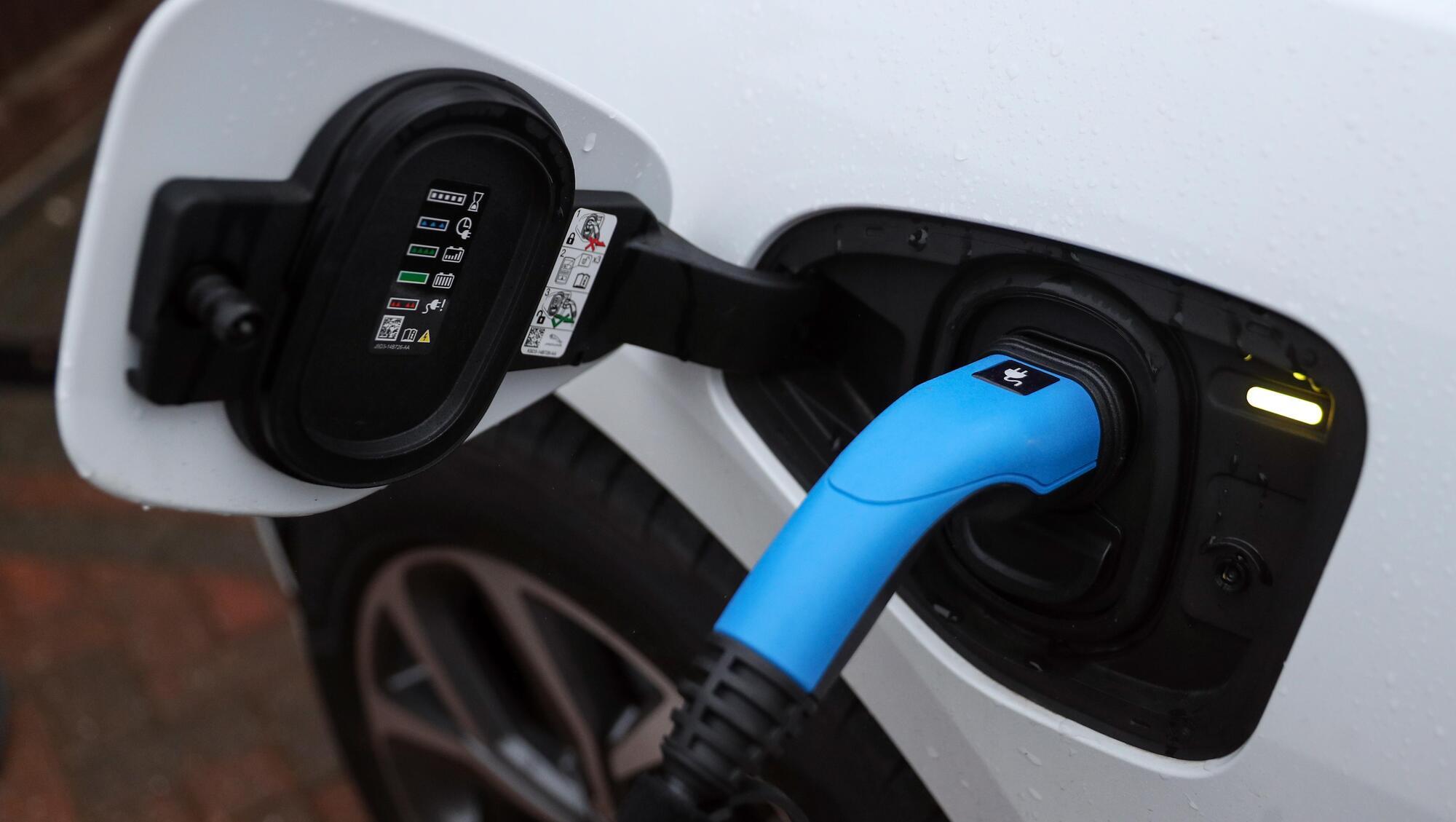
Consumer and environmental interests have accused car-makers of greenwashing.
Try from €1.50 / week
SUBSCRIBEProgress is often a rocky road. A game-changing advance can carry a shadow of doubt or encourage short-term perceptions that influence acceptance, but do not outweigh the redemptive potential of the innovation.
 The cultural aversion to nuclear power is an example. Had science won that debate, our energy landscape, our carbon footprint and looming fines, might be very different.
 The unanticipated, but devastating, impact of some chemicals used in food production is another. The same welcome-tinged-with-doubt greets many of the belated steps taken to try to minimise climate change. Electric cars, or at least some hybrid cars, face that uncertainty.Â
Consumer and environmental interests have accused car-makers of greenwashing. The website IrishEVs argues that without independent verification of the health and ecological implications of those vehicles, especially when they are worn out, progress on climate measures is delayed.Â
Car companies, whose credibility was destroyed by the emissions-cheating scandals, reject that assertion.
However, it is appropriate that the EU, or our government, offers unbiased, science-based advice to the tens of millions — and growing — of Europeans prepared to change habits to deal with this crisis. There is precedent. Despite a noisy anti-vaccination minority, the great majority have acted on scientific advice. At this 11th-hour, objective guidance on electric or hybrid cars is urgent, especially as the EU hopes there will be 30m electric cars on Europe’s roads this decade.
That pressing need is echoed in another area. Shocked by the “alarming decline” in pollinator species, EU leaders want the views of citizens and experts on how these insects, absolutely vital for human food production, might be protected. The European Commission has warned that around 80% of crop and wild-flowering plant species in the EU depend, at least in part, on animal pollination. Without pollinators, many plant species will disappear. This would threaten the survival of nature, human wellbeing, and the economy. Around €3.7bn of the EU’s annual agricultural output is dependent on insect pollinators, 75% of which have disappeared in Bavaria, an intensive cereal-growing region.
Those issues, electric cars, and the critical threat to pollinating insects come together in a novel way. A new app that counts insect collisions with car number plates will enable British citizen scientists to shed more light on pollinator collapses. It is not so very long ago, maybe when the anti-nuclear festival was held in Carnesore 40 years ago this summer, that car wipers were, at this time of the year, needed to clear windscreens of unfortunate insects far more abundant than is imaginable today.
It is understandable that in a world trying to cope with the pandemic and its legacy, and with many other critical issues, too, these concerns may not be addressed as urgently, or as forcefully, as they demand. Yet, anyone with the perception of one of those thousands of flies our grandparents washed from a car windscreen four decades ago will understand that our response to our destructive impact on the planet we depend on must intensify and accelerate if it is to succeed.
CONNECT WITH US TODAY
Be the first to know the latest news and updates
Newsletter
Sign up to the best reads of the week from irishexaminer.com selected just for you.
Newsletter
Keep up with stories of the day with our lunchtime news wrap and important breaking news alerts.
Newsletter
Sign up to the best reads of the week from irishexaminer.com selected just for you.
Friday, January 16, 2026 - 11:00 AM
Friday, January 16, 2026 - 1:00 PM
Friday, January 16, 2026 - 7:00 AM
© Examiner Echo Group Limited