Irish Examiner View: Shift in property market is a chance to revive wilting rural communities
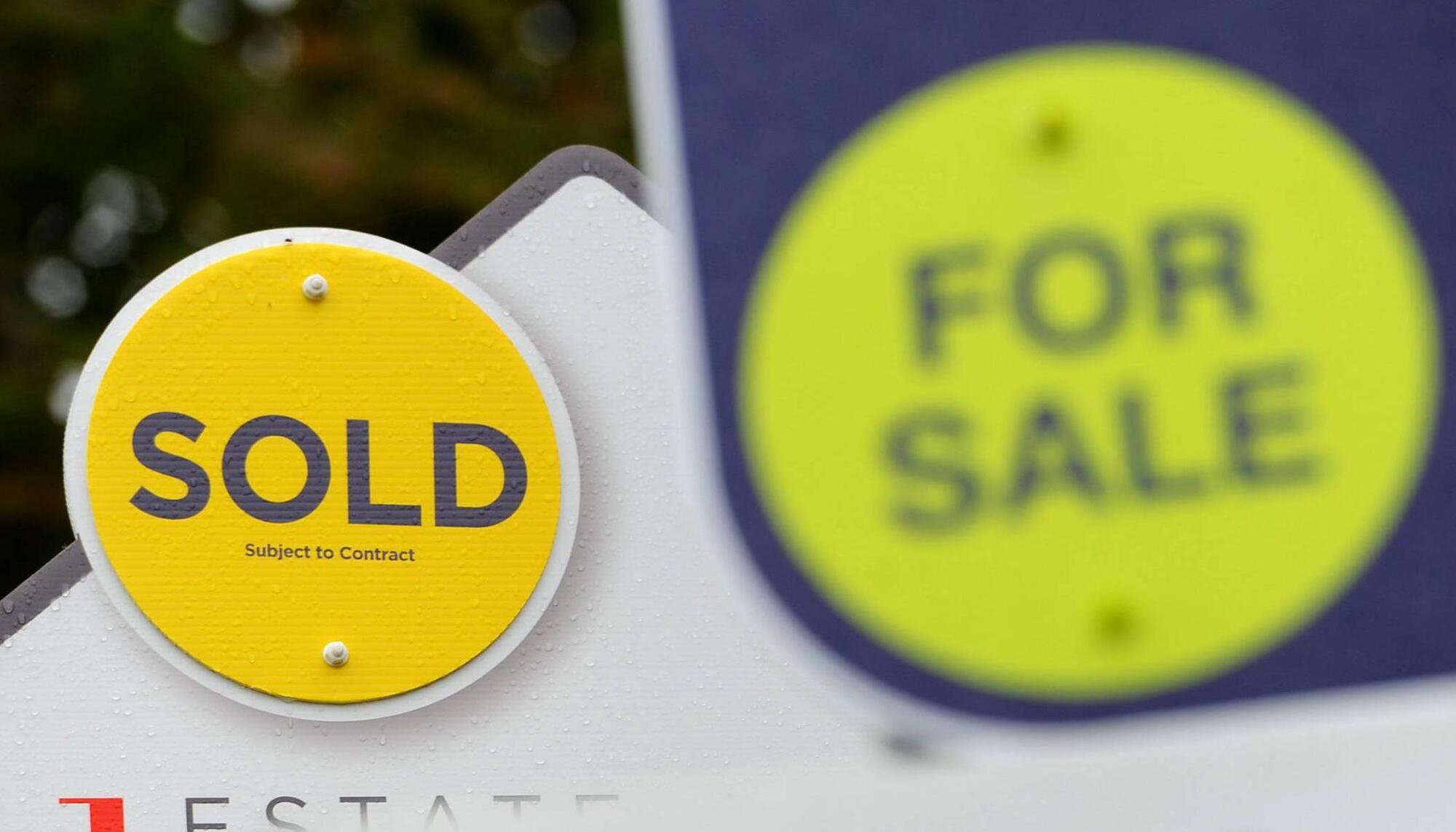
It would be a pity, a crime almost if this accelerating shift in the property market was not managed in a way that might deliver a win-win outcome for urban and rural communities.
When an idea's time arrives the circumstances of the day are almost immaterial. If the idea is good enough, if it inspires enough brave, can-do people it will make room for itself in our world.
Britain proved in 1948, when, beggared and all but broken by the Second World War, it launched their National Health Service. That was a statement of intent that recognised social obligation and possibility. Today, stretched and battered the NHS remains a jewel in Britain's firmament albeit in need of resuscitation. It will, however, survive because the logic behind it, the social justice demands giving it a pulse, are irrefutable.
Another idea, possibly an epoch-defining one, is beginning to gather that kind of force. It is driven by technology and the limitations imposed on what was our normal way of life by the pandemic. A major shift in the property market is underway. Rural homes with a broadband signal capable of supporting one or two people working from home are being snapped up faster than one of the tens of thousands of homes with inadequate broadband can download an episode of The Good Life. Auctioneers have confirmed this, reporting that broadband connectivity is “an even bigger priority” than a property's engineering assessments for prospective buyers.
That the great cathedral to today's technological revolution - California's Silicon Valley - is no longer the pivot of today and tomorrow because tech workers in a position to escape the unsustainable material and psychological cost of such an intense setting have fled to broadband rich alternatives, many of them outside of America. It is as if geography is irrelevant, it is as if broadband has killed the idea of distance or location.
That inevitability has arrived here too. That shift is balanced by some older country dwellers trying to move to cities or towns to avoid isolation and vulnerability. It may be, just after a weekend when social media was alive with debate around the €500,000 asking price for a Dublin 3 terraced house that was built as social housing a generation or two ago, more than unwise to write the obituary for urban living. However, it would be a pity, a crime almost if this accelerating shift was not managed in a way that might deliver a win-win outcome for urban and rural communities.
Such a shift has the potential to revive wilting rural communities, schools, villages, and the social life that makes so many of them enviable places to live. It might well challenge that rural plague - holiday houses that lie empty for the majority of the year but set housing costs beyond local buyers. It also offers an opportunity to remake parts of cities as something other than boundless student dormitories.
We may not - yet - go as far as Germany's Greens and consider a ban on new single-family houses in popular urban areas because they use too much space and energy. However, our history, particularly our recent history's ghost estates, suggests that it would be socially irresponsible to leave this opportunity to positively remake so much of Ireland in the hands of landowners, banks, developers, and our conventional planning culture.
This opportunity is one of the silver linings in the Covid-19 cloud and it will come but once so let's not squander it.

CONNECT WITH US TODAY



Be the first to know the latest news and updates