Last Monday we marked the winter solstice which, in the Northern hemisphere, was the shortest, darkest, day of the year. The sun, if it appeared at all, was at its most southerly position, directly overhead at the faraway Tropic of Capricorn. The day, long before the Newgrange passage tomb and its skylights admitting the solstice dawn was built, around 3,200 BC, was recognised as a precursor to rejuvenation. The solstice was then welcomed as the moment when if the tide didn’t quite turn it stopped ebbing seaward.
That seems an appropriate metaphor for our position today in the intensifying fight against Covid-19. The timing may be slightly out of kilter but the darkness is unquestionable, the coming Newgrange ray of light precious. The need to believe that recovery and rejuvenation are at hand certainly grows more important by the day. The inevitable announcement yesterday of an early, Christmas-gazumping return to the strictest pandemic guidelines intensifies that darkness but, like the solstice, those rules may in time be seen as the point at which a new cycle of life began.
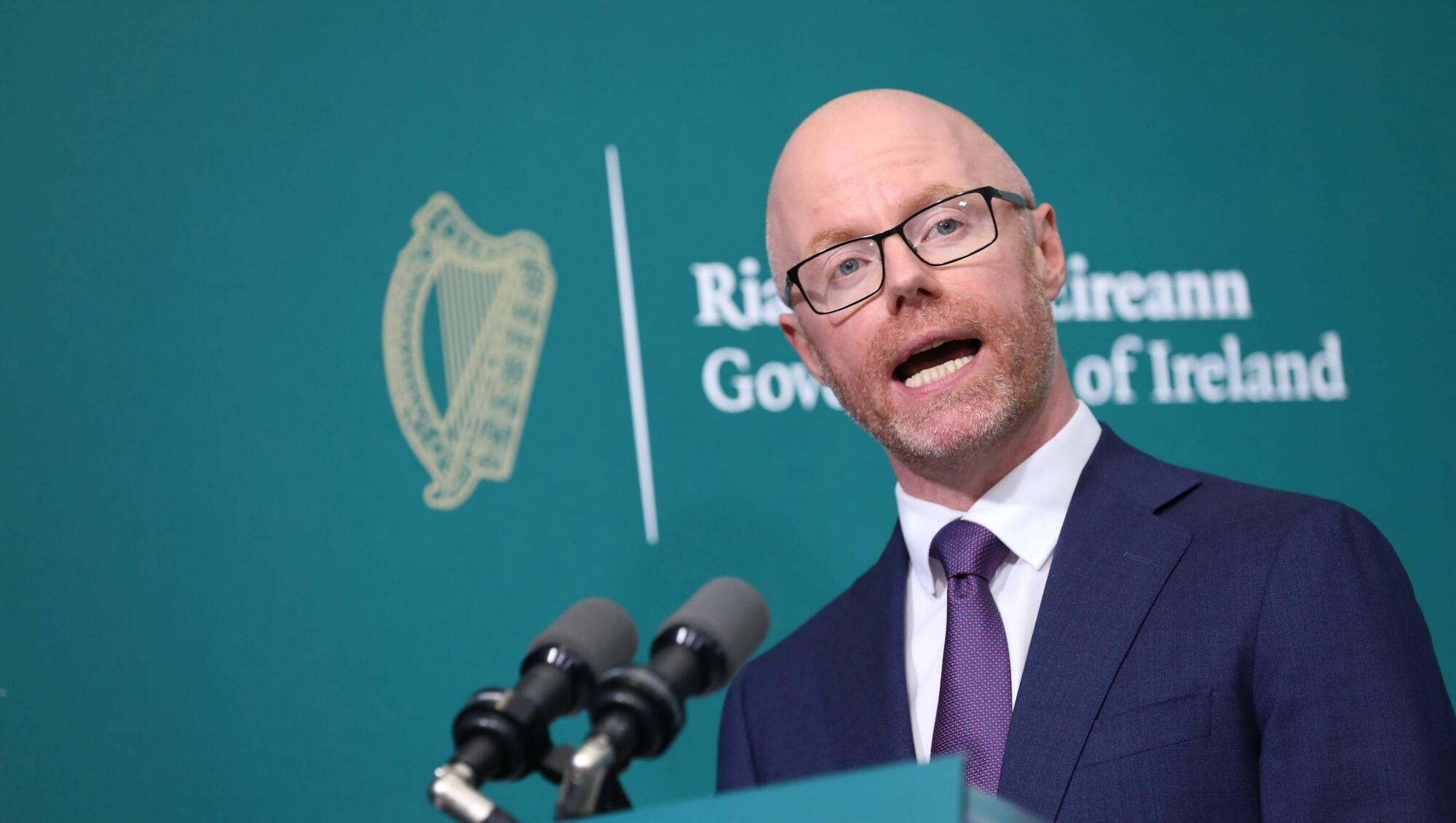
That Health Minister Stephen Donnelly was, thankfully, able to announce yesterday that the first vaccines will be administered on December 30 — just seven sleeps away — must build on that optimism. Healthcare workers and nursing home residents will be vaccinated first in recognition of their vulnerability, or the vital role they play in pandemic care.
Taoiseach Micheál Martin offering as much reassurance as any leader in such trying, shifting circumstances dared: “As despondent as any of us might feel with the return of restrictions, it is important to remember that the hope is real, there is light at the end of this tunnel,” he said. There has been “extraordinary growth” in the spread of the virus in the last week. “This morning, figures suggest we may be seeing a daily growth rate of 10%... the safest thing to do is to proceed under the assumption that it (the new, faster spreading strain of Covid-19) is already here,” he continued.
That, despite this step-change, the NI Executive has rejected calls for an immediate ban on travel from Britain suggests a bizarre, self-defeating alignment with principles totally in conflict with the needs of the day. That it undermines health security south of the border cannot be ignored. Though Scotland has banned travel from other parts of the UK for the Christmas period, NI First Minister Arlene Foster, amazingly, dismissed the need to echo that precaution. This is more than worrying especially as the Republic will return to Level 5 restrictions from Christmas Eve — tomorrow — amid projections of up to 2,000 cases per day by New Year’s Eve. The implications of that warning, around 60,000 new cases next month, are beyond sobering and must outweigh any suggestion that returning to Level 5 is an overreaction.
Despite that, it is impossible not to have huge sympathy for the businesses and workers who, as they sit down to a Christmas dinner, will wonder how long it might be before they can go back to work and try to catch up with the relentless flow of bills none of us can easily sidestep. Restaurants’ Association of Ireland CEO, Adrian Cummins, reflected that when he called the new restrictions a “devastating blow... 150,000 workers are now facing into being laid off on Christmas Eve. That is not where we wanted to be.” And it is not where anyone else wants businesses to be either. That sector’s disappointment, and many others too, is deepened as most restaurants pubs did everything possible to reopen businesses in a safe way. This must deepen the sense of frustration but, just as it does not recognise the border on this island, the pandemic is indifferent to where, how or who it upscuttles.
For the moment there is but one option: A relentless and selfless commitment to the guidelines so the wretched plague will be defeated before the summer solstice signals another turning in life’s relentless cycle of loss and regrowth.
CONNECT WITH US TODAY
Be the first to know the latest news and updates