We have, unsurprisingly but unfortunately, reached the point that by referring to Covid-19 or Brexit in an opening line quick disengagement can follow. That page-turning
may be provoked by an overload of ifs-and-buts on Covid-19 and one Brexit boy-on-the-burning-deck ultimatum after another. That litany has dulled the senses on these critical, life-defining issues. The boy who cried wolf too often is in the ha’penny place, our capacity to absorb and respond to these great challenges has been stretched, yet that is not an indulgence we can afford. As the community who ignored their wolf sentry might confirm, if any survived, hindsight is a wonderful thing. They should have listened.
That was just one thread in that community’s story but it might be worth trying to imagine how a historian in, say, 2075 might judge our behaviour today. Did we listen to the warnings and act accordingly? Did we, when it really mattered, see the wood for the trees? Did we take the best options to sustain stability and affluence? Did we allow ceremonies marking pivotal events to throw our judgment off-kilter? Did we fight to maintain good relationships, or did the old bile resurface? Will changing relationships twitch what historian Diarmaid Ferriter has described as our resentment muscles? How might 2075 hindsight judge these questions?
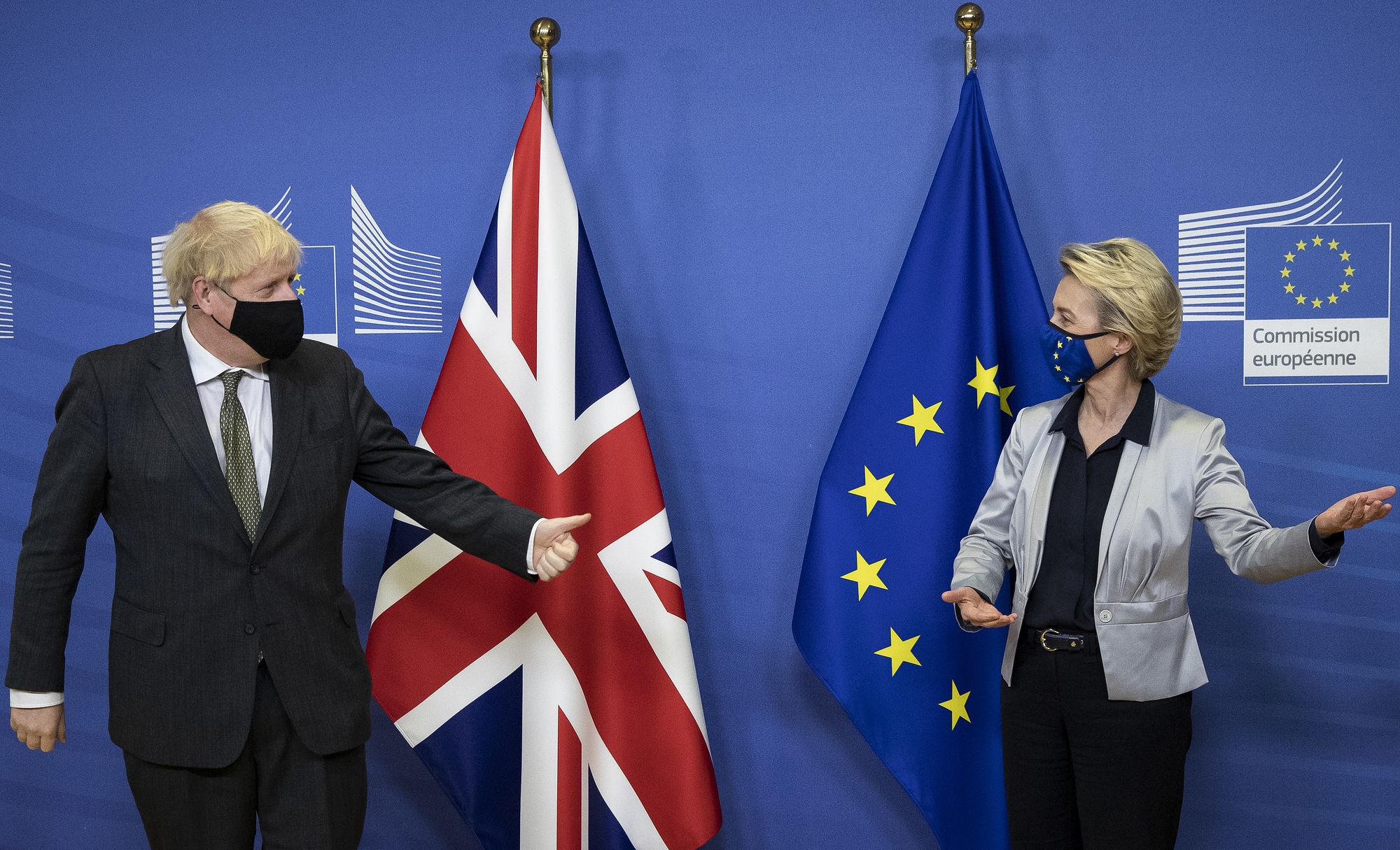
Yesterday’s declaration from EC president Ursula von der Leyen that a hard Brexit is the most likely outcome when talks finally — apparently, finally means finally this time — conclude tomorrow evening confirms a singular tragedy. That tragedy will weaken Britain and rattle the great European project. To paraphrase Wilde: We know what is happening but the cost is unknown. How those costs will be shared is unknown too but a hard Brexit has the capacity to visit disaster on this island — and not just economic disaster.
That this messy divorce comes precisely at the moment when so many tragic and violent events — Kilmichael, the Burning of Cork, Warrenpoint, and the excellent TV documentary The Hunger too — are remembered will put further strain on post-Brexit relationships. That the next two years will see nationalist ceremony after ceremony just as Brexit’s economic bite becomes all too clear must be recognised with foreboding. Intensifying but utterly misjudged calls for a border poll fuel this foreboding too. That some of those who would rewrite our history are behind this ratcheting up is inevitable, but a significant warning too.
Hindsight may, however, help plan a roadmap for the coming ceremonies and the energy Brexit may add to anti-British sentiment. Consider for a moment the 30 years of violence and amorality as epitomised by the 1989 murder of Pat Finucane and last week’s refusal to honour a promised inquiry. Consider the lives lost and ruined, consider the potential squandered. Consider then what it took to even open conversations, to — literally— reopen roads and bridges. Consider that it was a lifetime’s work for John Hume, a politician without peer on these islands today, to formalise the peace we all enjoy today. Brexit is a tragedy. But for Ireland, it is also a trap, let’s not fall into it, no matter who might push us.

Subscribe to access all of the Irish Examiner.
Try unlimited access from only €1.50 a week
Already a subscriber? Sign in
CONNECT WITH US TODAY
Be the first to know the latest news and updates