The pattern of human response to threat or crisis follows a well-trodden path. The initial reaction is usually one of determined solidarity and individuals’ willingness to sacrifice personal interests in pursuit of a common goal.Â
Over time, especially if the threat persists or intensifies, that solidarity wanes. Differences about how to respond deepen and, occasionally, become almost as threatening as the crisis that provoked those differences.Â
In extreme cases, normal restraint breaks down. In the most extreme cases, humans will do whatever it takes to try to see another sunrise.Â
Some of those who survived the 1942 siege of Leningrad; some of the Donner settlers trapped in the Sierra Nevada mountains by snows in the winter of 1846–1847 and the crew of the whaleship Essex — Melville’s 1820 model for Moby Dick — chose to break one of our enduring taboos, cannibalism rather than death.
It is disproportionate to refer to those episodes — there are many more — in relation to Covid-19 but it seems, as the Government prepares to make huge decisions about Christmas, prudent to consider the forces at play other than the disease.
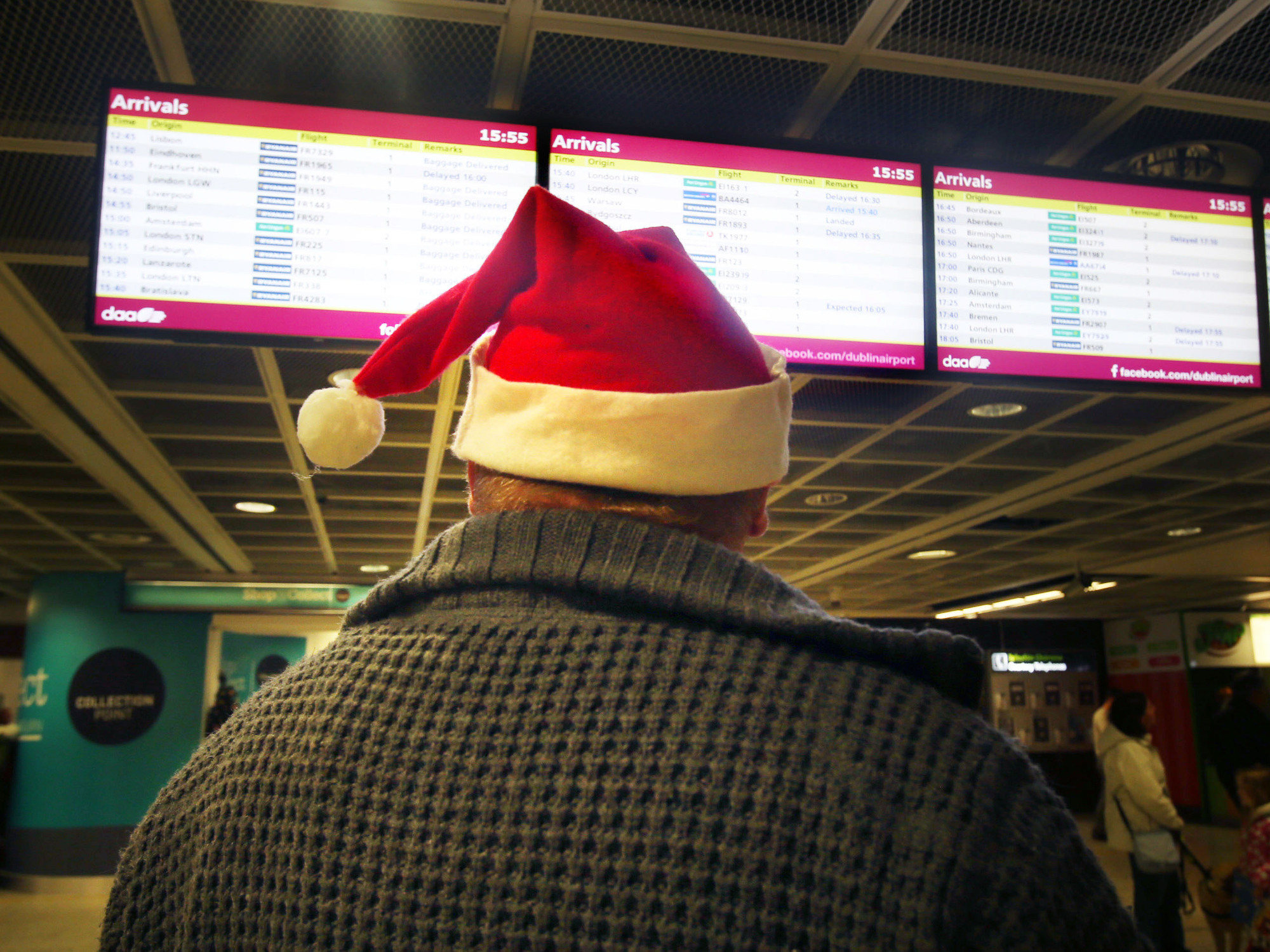
This time next month, if circumstances allow, Irish people all over the world will join airport queues, beginning a journey home.Â
For some, that will be especially important as they will hope to visit parents they may not have seen for some time. Those hopes will run particularly deep if those parents are of a certain age.Â
Those parents will long to see their children and maybe grandchildren, even if those hopes are tempered by public health advice.Â
That conflict is reflected in Government where decision-makers must balance Nphet’s seemingly unambiguous advice with other voices, ones that become more and more pressing as the consequences of the pandemic cut deeper and deeper.
The Government must also consider, like a gamekeeper with an indifferent neighbour, policies adopted in Northern Ireland.Â
That Stormont has extended restrictions well into the Christmas period must colour Leinster House decisions.Â
It is a tragedy, and a warning for those advocating an early border poll, that this small island’s administrations could not apply a unified Covid-19 policy. So much for the optimism and laudable intent of the Shared Island initiative.
The Government, and the public too, must fight on another front. As the possibility of a vaccine grows, those anti-science voices play their knuckle-dragging part in fostering the doubt that undermines solidarity, which also requires, well, solidarity.Â
As Government faces the unenviable task of juggling so many balls it has dropped one already. Our dishonest culture of making rules but not enforcing them has become a real danger.Â
The majority playing their part will only continue to do so if the minority breaking the rules are confronted and sanctioned.Â
Government may be about making decisions but it is also about enforcing them. We are it seems, unfortunately, at that point.Â
We are also at a point where families should have a conversation about what may or may not be possible if restrictions cannot be eased as we all would like and hope at Christmas.
These are hard times and demand hard decisions, avoiding them is not a solution or wise.

Subscribe to access all of the Irish Examiner.
Try unlimited access from only €1.50 a week
Already a subscriber? Sign in
CONNECT WITH US TODAY
Be the first to know the latest news and updates