Irish Examiner View: We can still avert water supply crisis
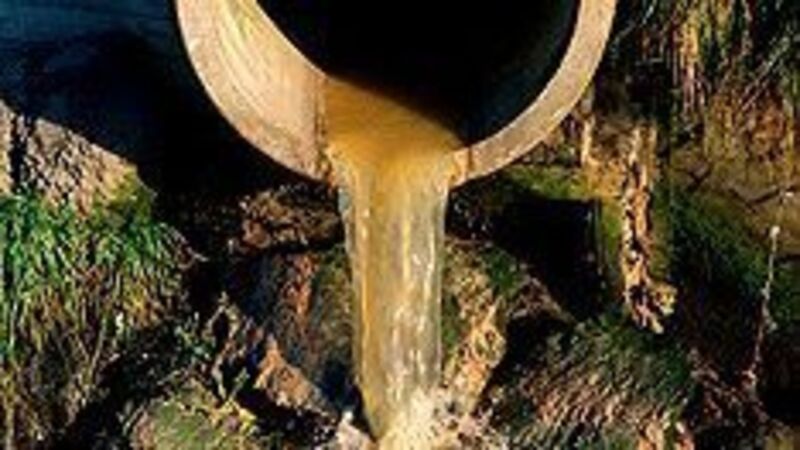
The EPA reported that 35 towns or villages still, in 2020, discharge raw sewage into waterways.
Almost half a century ago, in 1975, a report from the American Army Corps of Engineers to Congress, warned that unless steps were taken to increase water supplies or reduce consumption, a new drought would cause shortages from the Virginia Tidewater to New England. Time, population growth, and climate destruction have made it essential to increase water supply and reduce consumption. In 1975, the water shortage in North-East America was primarily a consequence of drought but there were underlying drivers too. Consumption, like energy use, was extraordinarily high compared to other industrialised nations. Use for homes, agriculture, and industry was more than double that in, as it was then, the Soviet Union and more than 20 times more voracious than in Britain.
Today, America's water crisis plays out most dramatically on the west coast. A decades-long struggle between hundreds of water agencies and other stakeholders continues and is likely to intensify. Conflicts over California’s water supply are ever more proxy wars for land control. Water availability can be decisive as state laws require developers to prove they have enough water to service their proposals so spectacular farm use, essential for growing California's mega crops, is ever more challenged. This, in a state with a housing and homelessness crisis that makes ours almost seem benign, is a burning fuse - at least from the perspective of Joe Biden's America.
CLIMATE & SUSTAINABILITY HUB
CONNECT WITH US TODAY



Be the first to know the latest news and updates