A wave of navy resignations
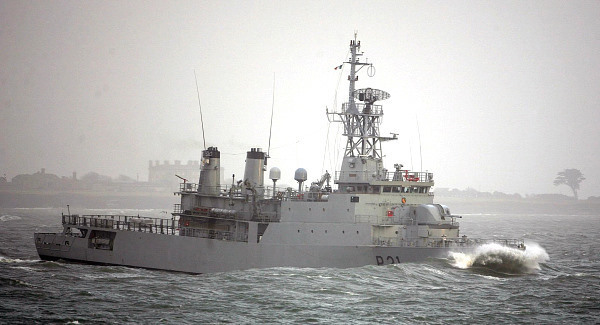
Navy recruits are quitting the high seas because security obligations and occasional remoteness make mobile phone usage impossible. This addiction is, it seems, a symptom and a cause of isolation.
Facing the same challenge, the British navy discovered that by increasing interaction — by bunking more sailors in the same space — the loss of a mobile-phone link to the outer world was less keenly felt.
This may seem a minor issue, but the navy’s capacity to crew its vessels is not. The LÉ Eithne and the LÉ Orla were tied up for maintenance earlier this year and crews transferred to bolster manpower levels elsewhere.
The navy has enough ordinary and able seamen to run what remains of the active fleet, but warns that this could change if key crew leave. Once again, our inability to support services has a negative impact.
Despite seemingly successful talks between Taoiseach, Leo Varadkar, and British prime minister, Boris Johnson, it is likely that we will need a fully functioning navy post-Brexit, unless we accept that Irish trawlers can be excluded from their traditional fishing grounds.
Navy recruits are quitting the high seas because security obligations and occasional remoteness make mobile phone usage impossible. This addiction is, it seems, a symptom and a cause of isolation.
Facing the same challenge, the British navy discovered that by increasing interaction — by bunking more sailors in the same space — the loss of a mobile-phone link to the outer world was less keenly felt.
CONNECT WITH US TODAY



Be the first to know the latest news and updates