Social media influence: Peril in the headlines
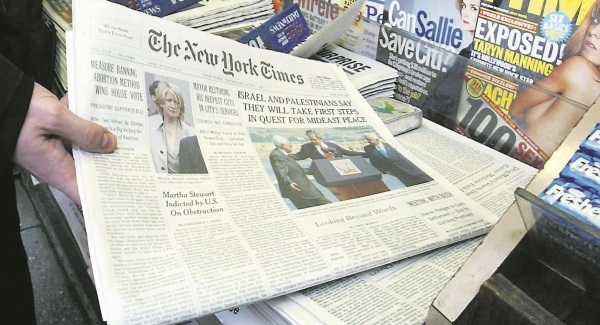
The greatly-derided craft of writing newspaper headlines is, like all other skills, constrained by the iron rules of science: a fixed line of space cannot accommodate an infinite number of legible characters in a given size and font.
A headline can suggest, deliberately or otherwise, opinion, bias and values. A classic example, thought to be apocryphal yet attributed to the London Times in possibly the 1930s is âFog in Channel; Continent Cut Offâ.
Way back then, newspapers did not have to worry about readers angered by perceived bias and venting their fury via anti-social media.
They do now, as The New York Times, the esteemed mouthpiece of the east coast liberal establishment, has found this week. Its report of President Donald Trumpâs entirely unconvincing tele-prompted statement on the mass murders in Texas and Ohio was headlined âTrump Urges Unity vs Racismâ.
In response to a torrent of tweets by readers who thought this headline in a sort of round-about way condoned or overlooked Mr Trumpâs anti-immigrant rants and his resistance to gun-ownership law reforms, the headline was changed for the paperâs next edition. The president was: âAssailing hate but not gunsâ.
This might not affect the way in which Mr Trump sees the paper, but whatever he has to say about it wonât matter, since his supporters tend on the whole not to be New York Times readers and, anyway, he doesnât seem to have a settled view about the publication he has praised as a âgreat, great American jewelâ and rubbished as âsickâ, ânastyâ and ânot niceâ.
However, the implications of instant censorship or rewriting by twitter mobs, be they of the left or right, for a freethinking and independent press and its readers are alarming.