Insects defeat malaria drugs: Defences fail
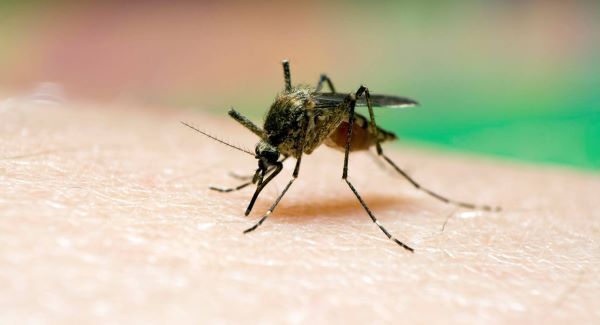
Today’s canary-in-the-mine warning is the news that drug-resistant forms of malaria-causing parasites are spreading across southeast Asia leading to “alarmingly high” treatment failure rates as the insects have developed an immunity to the frontline chemicals usually used to control them.
It may be tempting to dismiss news that in parts of Thailand, Vietnam, and Cambodia, up to 80% of the dominant malaria parasites have become resistant to the two most common anti-malarial drugs.

CONNECT WITH US TODAY



Be the first to know the latest news and updates