Language and crime: When it looks like a spade...
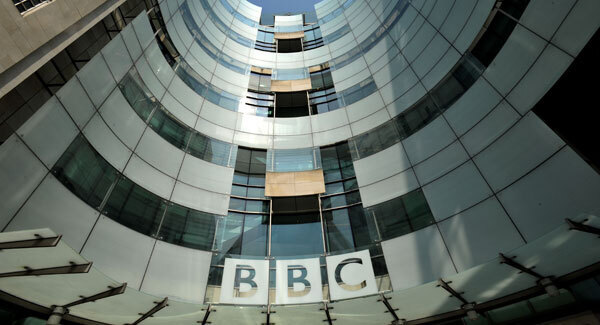
How apt it is that a statue outside the London headquarters of the BBC is of George Orwell, since it’s possible that his 1946 essay Politics and the English Language has not been read by those in the corporation’s upper echelons whose job it is to advise reporters on the words they should if, at all possible, avoid using.
Orwell had studied the way the Nazis and the Communists in Russia had used a vocabulary the purpose of which was to sanitise murder, torture and the exercise of absolute power. “If thought corrupts language,” he warned, “language can also corrupt thought.”
He might now be dismayed but not surprised to learn that BBC journalists will be asked to stay away from words and phrases such as terrorists and terror attacks since, the corporation’s thinkers argue more than somewhat puzzlingly, “the word ‘terrorist’ itself can be a barrier rather than an aid to understanding”.
This guidance could be defended by pointing to the lack of a universal definition of terrorism. It is the case that no such definition exists or is ever likely to.
But terrorism is recognised unambiguously in the laws of Ireland, the US, the UK and France among others, and while the wording varies from state to state, the common understanding is that it is a crime committed to advance a political, religious or ideological cause. Not calling a spade a spade, doesn’t make it look less like an instrument used for digging or cutting earth.