Fixing the housing crisis: Courage and new ideas are essential
This weekend Fine Gael and Labour selected candidates to stand in May’s elections for the European parliament.
That process is under way in Fianna Fáil where senior Dáil deputies have expressed an interest in a change in scenery, saying they would like an opportunity to move to Brussels. The European election, one that has assumed exceptional, once-in-a-lifetime importance, is scheduled for Friday, May 24.
That will be a busy day for European and Irish democracy as elections to identify those who will sit on our 31 local authorities will be held on the same day.

By that stage, hopefully, something resembling plausible working options will have surfaced on Brexit so it is impossible to rule out a general election in the coming months. The air will be electric with campaigning and promises of varying credibility — even if Taoiseach Varadkar’s grace-and-favour administration stumbles along for another few months.
Following Brexit Ireland will have 13 seats in Europe and, at the other end of the spectrum, local authorities offer opportunities to 949 people a place in our political process.
Should there be a general election 158 Dáil seats will be contested as will, despite Enda Kenny’s efforts, 60 Seanad places
Should all of those opportunities arise something north of 4,000 people will offer themselves to the tender mercies of our often ungrateful democracy. Some of those brave souls will campaign on specific issues — local hospitals or abortion maybe — but most will, naturally, take positions on a range of issues. These positions will have been identified by party research asvote gathering opportunities.
However, each candidate will need to be able to offer convincing arguments on a number of obvious subjects. Our health service, the widening gap between the reality of life in the public and private sectors, education, rural broadband and, if we finally wake up to the most pressing reality in our world, our head-in-the-warming-sand position on climate change. However, one issue will dominate to an almost unprecedented degree — housing.
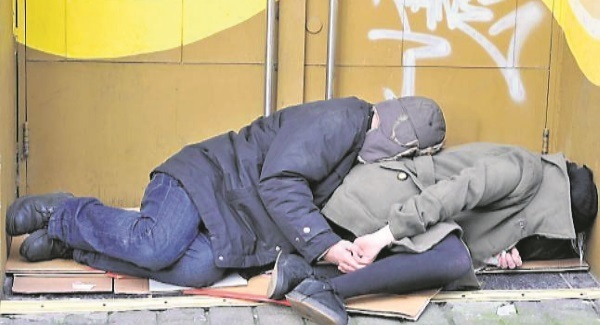
This contrived crisis has many aspects. Homelessness, rents far beyond the reach of most workers, a shameful, politically-engineered shortage of social housing, a drip-drip supply of new houses to sustain prices which seem more Lotto-win fantasies than viable ambitions. Tens of thousands of lives are put on hold until a life-long ransom to buy a home can be secured from one credit agency or another. All of these come together in one shameful statistic — there are, in this very rich country, almost 10,000 homeless people.
This reality was one of the issues that drove the nurses’ strike and is behind today’s Labour court hearing where a 12% pay rise for 65,000 construction workers will be heard. It will be the primary catalyst driving social and industrial unrest for the fore seeable future. Yet, despite that the usual parties will offer the usual plamás about how they might resolve this fixable crisis. None of these campaign promises will suggest real change or recognise how deeply compromised our politics and capitalism are by this avoidable crisis. What was it the man said about doing the same thing time and time again in the hope of a different outcome?

CONNECT WITH US TODAY



Be the first to know the latest news and updates