Insect populations collapsing: We’re codding ourselves again
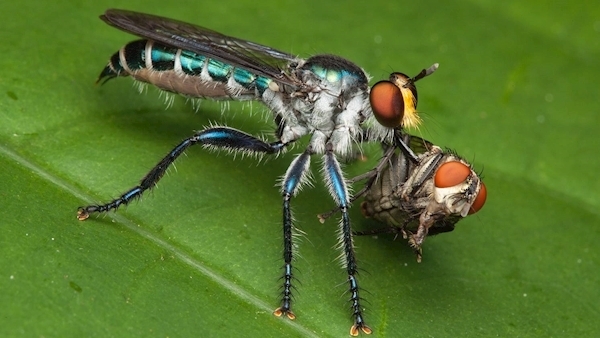
For generations, we ignored warnings about our impact on the great bounty of the oceans. We, like the fishermen who believed that the almost uncountable population of cod off America’s Atlantic seaboard, imagined that situation was a permanent, unchanging reality. Not so. Almost three decades ago, Canada was forced to close a fishery that, for 500 years, had sustained that country’s ’s east coast. The cod biomass had fallen to 1% of earlier levels and it has not recovered.
That desecration occurred because commercial objectives trumped scientific advice. We may be at the same point with the world’s insect populations. Last week, a global report warned how many insects face an extinction that threatens a “collapse of nature’s ecosystems”. Ireland is not immune. The National Biodiversity Data Centre reports that our butterfly populations have plummeted 12% over a decade while bumblebees are down 14% in six years. Relentless habitat destruction and incessant use of chemicals are root causes.

CONNECT WITH US TODAY



Be the first to know the latest news and updates