Banning offshore exploration: Deferring the inevitable in climate war
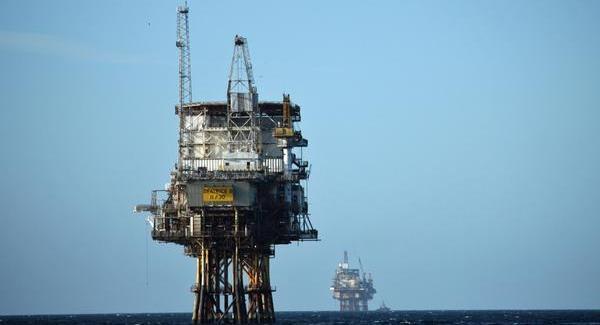
Earlier this year New Zealand decided not to allow any new offshore oil exploration. That time-to-face-reality decision was a response to our addiction to the energy/growth dynamic threatening our world.
“Transitions have to start somewhere and unless we make decisions today that will essentially take effect in 30 or more years’ time, we run the risk of acting too late and causing abrupt shocks to communities and our country,” said prime minister, Jacinda Ardern. Her government has made tackling climate change a core policy, committing to generating 100% of electricity by renewables by 2035 and making the economy carbon neutral by 2050.
Too many of Ireland’s politicians sing from a very different, dangerously outdated hymn sheet. Last month’s budget did not deliver an unfortunately-necessary carbon tax. That is just one example of conservative politicians’ disconnect but the worst example is Food Harvest 2025.
Legislation that would follow New Zealand’s lead has been proposed by Solidarity-People Before Profit. It is supported by the Green Party, Fianna Fáil, Sinn Féin, Labour and Independents4Change but is, dishearteningly, opposed by Taoiseach Leo Varadkar’s head-in-the-sand Government.
Reacting to the bill last week the junior minister for natural resources, Seán Canney, reaffirmed Government support for offshore exploration. Mr Canney, all too patronisingly, accepted the legislation was well-intentioned but criticised it for binding Ireland to "only importing... oil and gas needs".
Unfortunately, Mr Canney missed the core point, either deliberately or otherwise.
The pressing idea that we will have to dramatically curb usage rather than find new sources of fossil fuels has not influneced his or Government thinking. It must. It has, however, influenced the thinking of the Climate Change Advisory Council which, just as New Zealand introduced its enough-is-enough veto, pointed out that we cannot meet targets to cut greenhouse gas emissions by 2020.

Our emissions are set to increase up to 2020, according to the latest EPA projections. Fines of more than €12m a week are anticipated. In order to decarbonise the economy by 2050 — as New Zealand intends — we must produce one million fewer tonnes of carbon a year. This requires a complete change in behaviour and cannot be achieved without stepping on toes — and we still have a choice about which toes we might stand on but that option is finite.
Earlier this year Government launched a national development plan. It allocated €22bn to try to turn Ireland into a low-carbon economy by 2050. Measures focus on transport, agriculture and the built environment. It also included a plan to stop burning coal at the ESB’s Moneypoint, the State’s single largest carbon source, by 2025. There will be ban on the purchase of all petrol and diesel vehicles by 2030. There is also a target of at least 500,000 electric vehicles by that date.
These noble if long-fingered imperatives would be more plausible if Government showed it understood the urgency involved by increasing carbon taxes, banning offshore exploration and curtailing Food Harvest 2025 to avoid the situation that Jacinda Ardern has warned about — acting too late.
CONNECT WITH US TODAY



Be the first to know the latest news and updates