Grenfell inquiry opens: Accepting the unacceptable
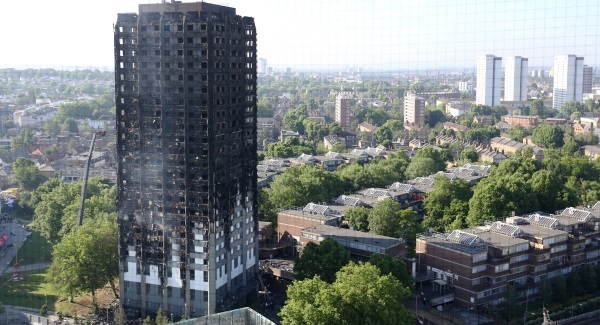
The public inquiry into London’s Grenfell Tower fire tragedy has opened.
The first two weeks of hearings will concentrate on victim impact statements from the friends and relatives of the 71 people who died needlessly on June 14, 2017.
The tower, the skeleton of which stands today is a symbol of deepening inequality and governments’ betrayal of those it is obliged to protect from developers and regulators indifferent to construction standards designed to make buildings as safe as they can be. The Grenfell cladding consisted of aluminium sheets fixed to a quarter-inch core of polyethylene, a material so flammable it can be compared to petrol.
UK housing secretary James Brokenshire, when refusing to tighten regulations, pointed out that the cladding was unlawful under existing building rules and should not have been used. That statement is undoubtedly accurate but is rendered meaningless as neither developers or regulators have been been held to account in a way commensurate with 71 deaths. At least 300 other tower blocks in Britain are wrapped in a similar fire trap. How many here?
The taskforce set up by Housing Minister Eoghan Murphy in the wake of the London tragedy was due to publish its report last month but it has, as yet, not materialised. Neither have the kind of sanctions needed to ensure, as we play catch-up on our housing needs, that life-saving standards are observed. How is this, in any circumstance, acceptable?