Brexit talks stumble at first hurdle: Grand-scale ineptitude and disdain
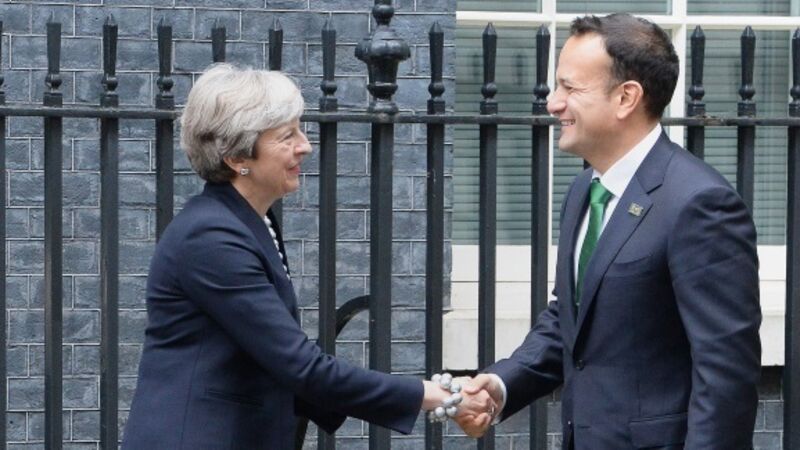
For a brief while yesterday it seemed possible to be optimistic or at least mildly hopeful that the first Becher’s Brook in Brexit negotiations had been negotiated — and without the kind of usual conflict that further damages already strained relationships.
Even if that happy, Christmas-has-come early possibility recognised that this dream-shattering Grand National obstacle has to be negotiated twice before the finishing straight is reached the early indications that a deal had been reached between Britain and the European Union suggested that the pessimism of recent weeks and months might not have been entirely justified.
These early suggestions that the weight of history and its almost eternal toxic divisions and hatreds had been circumvented to at least imagine the possibility of a better, less antagonistic and shared future indicated, from an Irish perspective at least, that something far beyond negotiating Britain’s European Union divorce had transpired.
They indicated that unionism, in the shape of the Democratic Unionist Party had at last put the common good, as expressed in Northern Ireland’s 44/56 vote to stay in the EU, ahead of their as-British-as-Finchley, hard-right and unwavering creedo. We really should have known better, silly us.
However, we could not have known that prime minister Theresa May, who despite recognising how a £1bn bung might steady DUP nerves and secure their House of Commons support, would not think it wise, or essential, to discuss her proposal to agree that the six counties would be treated as a special case after Brexit with Arlene Foster’s party.
This seems an amateur-hour lunacy that is barely plausible. That oversight points to a cavalier ineptitude so startling that it must be hoped that the full story is yet to emerge. If the story is as plain as it has been presented then the DUP will know that they are regarded as no more than voting fodder to be disposed of as and when suits Mrs May.
If that “continued regulatory alignment” proposal was blocked as has been described, in an 11th hour phone call from Mrs Foster to Mrs May, then it will rank among any of the betrayals that pockmark relationships on these islands.
In the grander scale of issues in this unfortunate divorce these will be, in time seen as minor enough but it will take a renewed effort to get beyond them in some way that might be acceptable to all involved. And that “all” expanded yesterday when Scottish, Welsh and even London voices demanded that they be offered the opportunity, like Northern Ireland, to be “treated differently” post-Brexit.
Taoiseach Leo Varadkar naturally expressed his “surprise and disappointment” that the British were unable to conclude a deal he believed had been agreed. He will have learned another hard lesson from this episode. The primary one may be that the British prime minister is in such a weak, vulnerable position that she cannot strike a deal without being held hostage by one extreme or another.
This vulnerability does not auger well for the negotiations or even those Mrs May represents.
Neither does it suggest her government will last long enough to conclude these vital negotiations.


CONNECT WITH US TODAY



Be the first to know the latest news and updates