John Gibbons: I've changed my mind on nuclear power — we don't need it any more
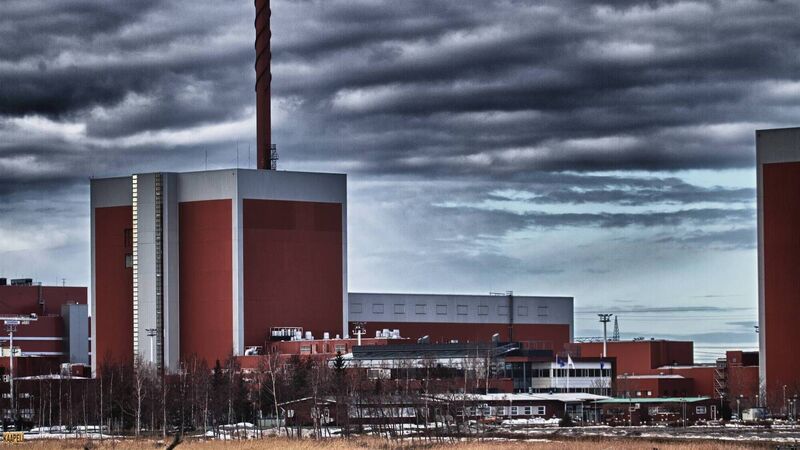
In late 2022, Finland’s Olkiluoto 3 nuclear reactor went online, 12 years behind schedule and three times over budget.
Nuclear power would, in the future, be “too cheap to meter”. This bold prediction was made by the chair of the US Atomic Energy Commission, Lewis Strauss, in September 1954. This was at the very dawn of the age of nuclear energy and it reflected the Utopian mood of the post-war era.
Fast forward to 2026, and while nuclear is no energy silver bullet, nor has it been an abject failure. Today, just under one tenth of total world electricity production is from nuclear reactors, which have the key environmental advantage of being virtually zero carbon.
Responding to the oil shocks of the early 1970s, France invested heavily in nuclear energy. Its 56 reactors account for about two thirds of total national electrical production, and it regularly exports surplus clean electricity to its European neighbours.
None of these plants are household names, for the good reason that France has managed its fleet of nuclear reactors well and avoided any major incidents over the last half century.
Ireland also looked seriously at the nuclear option, with proposals as far back as 1968 to build four nuclear power stations. These were revived some years later following the oil shocks and in late November 1973, the Irish government approved in principle the construction of a nuclear power station, with an initial budget of £100m. Carnsore Point in Co Wexford was selected as its location.
Growing public opposition to the Carnsore project, including two well-attended protest concerts at the site in 1978 and 1979, saw the government tiptoe away from plans to build a nuclear plant, and the idea was quietly shelved.
In Ireland, this took the form of the Electricity Regulation Act, 1999, which set out in law a national prohibition on “the use of nuclear fission for the generation of electricity”. That, it seemed, was that.
Opposition to nuclear energy has long been an article of faith among environmentalists. The anti-war movement and the green movement largely coalesced around the idea that nuclear power was both intrinsically dangerous and associated with the proliferation of nuclear weapons. These fears are not totally unfounded. Many countries have indeed developed their civilian and military nuclear programmes in tandem.
In an ideal world, we would have neither nuclear power plants nor nuclear weapons, but that’s not the world we live in. As an environmental commentator, I took the view two decades ago that the unfolding climate emergency was by far the greatest threat we collectively face, and anything that could help in the fight to decarbonise the global economy had to be taken seriously. And yes, that absolutely included nuclear energy.
This was, to put it mildly, not a popular position to adopt. Many people who strongly support climate action are also fervently anti-nuclear. In late 2012, I took part in a green event at Carnsore Point and found myself the odd man out, facing a sceptical audience and an openly hostile fellow panellist, German Green MEP Rebecca Harms.
In 2006, German chancellor Angela Merkel stated: “I will always consider it absurd to shut down technologically safe nuclear power plants that don’t emit CO2.”
Five years later, under pressure from the German Greens in the aftermath of the 2011 nuclear accident at Fukushima, Japan, the government decided to shut down its 17 nuclear power plants, and the absurd became real, as lignite, an ultra-dirty fuel, largely replaced zero carbon nuclear.
Now, the wheel has turned again. In response to the disastrous Iran war, Ireland is now looking to rethink its position on nuclear, with Taoiseach Micheál Martin expressing an open mind on nuclear energy, while noting costs and timescales make it very much a long term option — and this assumes the Irish public would ever tolerate the construction of a nuclear power plant.
First, the cost. In late 2022, Finland’s Olkiluoto 3 nuclear reactor went online, 12 years behind schedule and three times over budget. The final cost exceeded €11bn. This was the first new nuclear power plant built in Europe in over 15 years. At full production, the Olkiluoto plant will supply around 1.6GW of power.
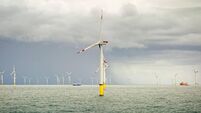
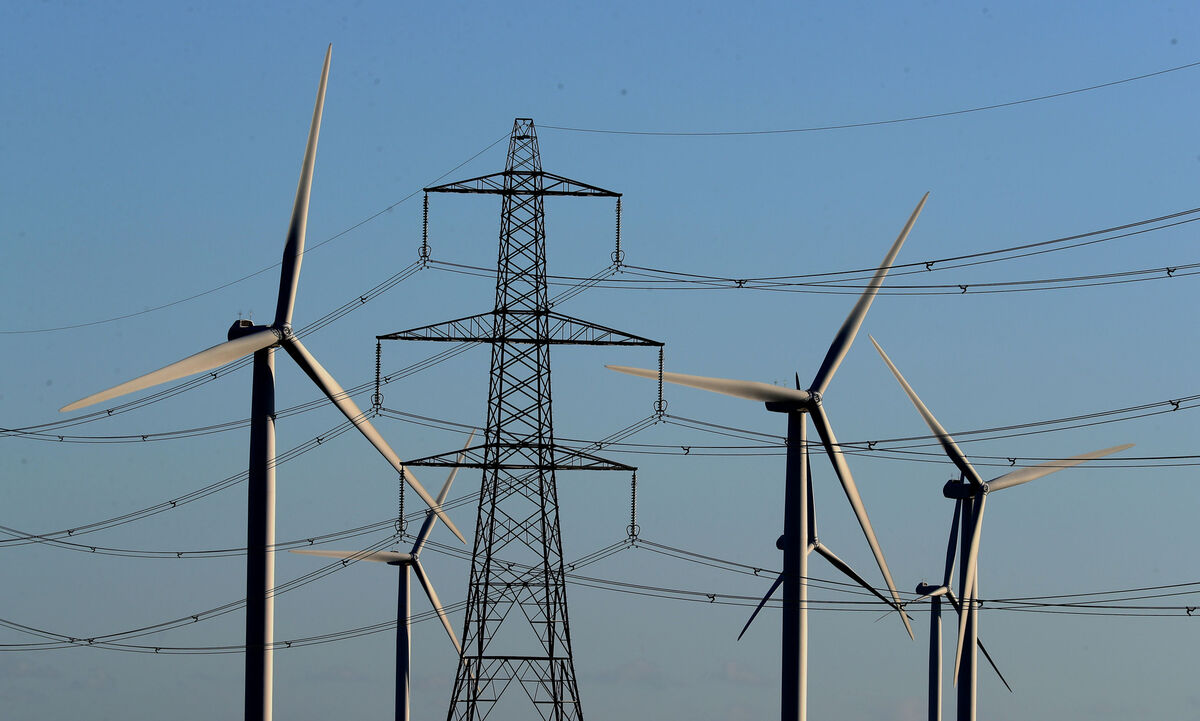
Last year, more than 10 times that amount of wind power was installed across Europe, while 65GW of new solar was deployed in Europe in 2025. In total, some 80GW of new clean renewable energy was added to the European grid last year — the peak equivalent of 50 Olkiluoto nuclear plants.
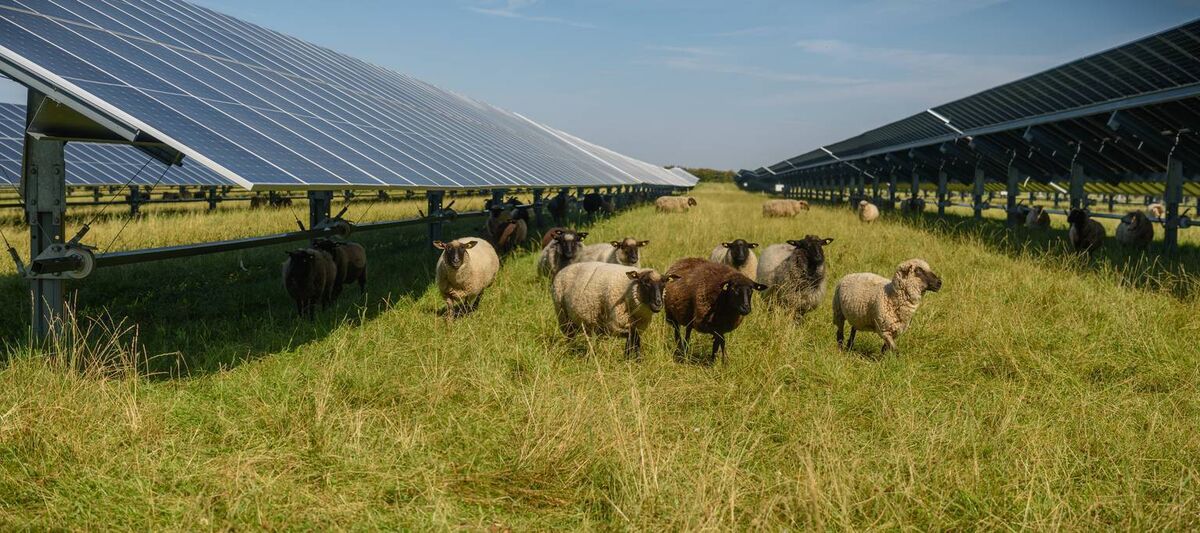
What changed my mind is that the facts have changed, and changed decisively, over the last decade and more as renewable energy technologies have rapidly matured.
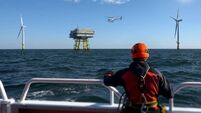
Wind and solar, supported by battery arrays and e-fuels, are now the cheapest, cleanest sources of energy in history. Last year, Ireland alone added 1GW of new solar capacity, meaning we now have at peak a total of 8GW of green electricity, or the equivalent of five Olkiluoto plants.
To grasp the exponential nature of renewable energy roll-out, consider that in 2004, a total of 1GW of solar was deployed globally. Last year, the same amount was added every 12 hours.
Battery storage costs have fallen by an astonishing 90% over the last decade, with no sign as yet of this downward cost curve flattening out. According to the International Energy Agency, renewable power capacity is projected to increase by 4,600GW between 2025-2030.
Ireland has made huge strides in renewable electricity over the last decade in particular, and we need to double down on offshore wind and solar farms to power the electrification of our entire economy and society in the turbulent years ahead. Our continued reliance on fossil fuel imports places us at the mercy of an increasingly volatile global energy marketplace.
While the world’s existing nuclear plants should be maintained, I believe new nuclear power plants have no useful role in decarbonising and achieving energy independence quickly and at scale.
Worse, Irish politicians now dallying with nuclear may only serve to undermine our critical imperative to press ahead with the rapid roll-out of renewable energy.
- John Gibbons is an environmental journalist and author of
CLIMATE & SUSTAINABILITY HUB
CONNECT WITH US TODAY



Be the first to know the latest news and updates