Farmers need targeted supports as they're facing most pain

The average farmer faces extra costs of more than €18,000 this year — that’s many multiples of the average household, writes Kieran Coughlan
Farmers need targeted supports as they're facing most pain

When farmers suffer, it’s only a matter of time before the consumer will be affected by food inflation or availability. Picture: Stephen Collins/Collins

I can well understand the frustration of farmers across the country and am not surprised that many, at a grassroots level, feel compelled to take action, including the protests on main roadways and arteries to our cities and at ports and fuel depots.

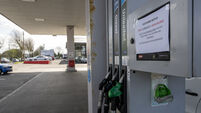
For the average member of the public, the increase in kerosene, diesel, and petrol has hit the pocket.

For a two-car household using 100 litres of fuel per week, the increase in fuel prices might amount to about €40 per week — more when home heating oil is factored in.

It’s a nasty pinch but, to be fair to the Government, it has taken some action by reducing excise duty.

For the farmers and hauliers of the country, the increase in energy prices have resulted in an increase in costs and direct hit to profits of many multiples of that which is experienced by your average PAYE worker.

The increase in costs for farmers is most visible in the fuel and fertiliser prices, but is also being felt across other farm inputs that are dependent on oil and energy.

On the fertiliser front, sample price increases include the price of protected urea having increased from €540 per tonne to €840 per tonne. Other prices have jumped from around €120 per tonne to €150 per tonne since January.

These price increases don’t reflect the scarcity that is likely to arise into 2027. Tractor diesel has increased in price from 94c to €1.70 per litre since January.

The inflation in prices seems almost contagious, however, as other inputs such as bale wrap — which is also derived from oil — are increasing by as much as 30%, while land drainage, piping, and plumbing fittings are seeing price increases of between 12%-20%.

The expectation is that agricultural contractors will also need to pass on price increases arising from fuel price increases, but also as a result of other inflationary factors such as minimum wage increases and auto-enrolment.

For a typical dairy farmer, the price increases that have occurred since the start of this year will result in extra costs of more than €18,000 per year.

Typically, dairy farmers are the highest users of fertiliser across farming sectors. They spent €17,865 on fertiliser on average in 2024.

There are secondary effects of price increases arising from increased transport and haulage costs, effecting everything from bulky feed deliveries. Picture: Stephen Collins/Collins Photos

The increase in fertiliser prices for 2026 is likely to see fertiliser prices increase by more than 30% across fertiliser types.

This translates to an additional cost for typical dairy farmers of €5,400 per annum. The increase in tractor diesel prices translates to a direct increase in diesel cost of €4,500 per annum. Of course, farmers are also users of white road diesel.

They will experience the same increase in diesel prices as the average consumer, amounting to perhaps €1,500 for a typical farmer

For agricultural contractors and plant hire operators, diesel costs typically range from 12%-18% of turnover.

The increase in diesel prices of 80% for contractors will require contractors to lift their prices by 10%-15% just to stand still. This rise will mean a cost to farmers of between €2,000-€3,000.

There are secondary effects of price increases arising from increased transport and haulage costs, affecting everything from bulky feed deliveries.

It also feeds importation costs from increased shipping charges, increased costs of servicing machinery as a result of increased spare parts costs due to higher freight charges and the costs of lubricants and grease, and as well as other inputs such as silage coverings, silage wrap, bale netting and twine, concrete, stone and lime, which are energy- and more specifically diesel-intensive products to create.

Erosion of profits

Conservatively, I estimate these real cost increases will mean a direct hit to profits of more than €18,000 if they persist.

Across beef, sheep, tillage, and poultry, these cost increases will cause a similar erosion of profits.

The tillage sector is equally, if not more, vulnerable to the price shocks, typically being a relatively high user of fuel and fertiliser.

Ireland typically uses 1.1bn litres of green diesel per year across agriculture, construction, and fishing.

At a national level the cost of the increase in green diesel will be €924m per year, and fertiliser increases will cost €180m per year.

With farmers using around 600m litres per year, the Government could suspend or reduce the carbon tax for a period of time until agricultural diesel prices stabilise.

Cutting 20c per litre for the agricultural sector would cost the exchequer €120m, which is only a fraction of the excise rebate that was effectively aimed at the general public.

The key point here is that the agricultural sector is facing much more pain than the general public and has effectively received almost nothing by way of support.

Farmers at the coal face are mobilised from the sheer frustration of their plight.

Other industries such as quarrying and haulage/transport industries are similarly suffering.

When farmers suffer, it’s only a matter of time before the consumer will be affected by food inflation or worse still food availability.

These are the lessons of the past and the omen for times ahead.

Whilst the Government has done something for everyone with the road diesel and petrol excise lift, the “little to many” doesn’t cut it for those most affected.

  • Kieran Coughlan is a specialist in farm tax advice and is Principal at Coughlan Accounting & Taxation Services Limited. He is a Chartered Tax Adviser (CTA) and Fellow of ACCA. He is a regular contributor to IE Farming. 

More in this section

Revoiced

Newsletter

Sign up to the best reads of the week from irishexaminer.com selected just for you.

Cookie Policy Privacy Policy Brand Safety FAQ Help Contact Us Terms and Conditions

© Examiner Echo Group Limited