€4 for a coffee is not expensive when you consider it’s a small miracle in a cup
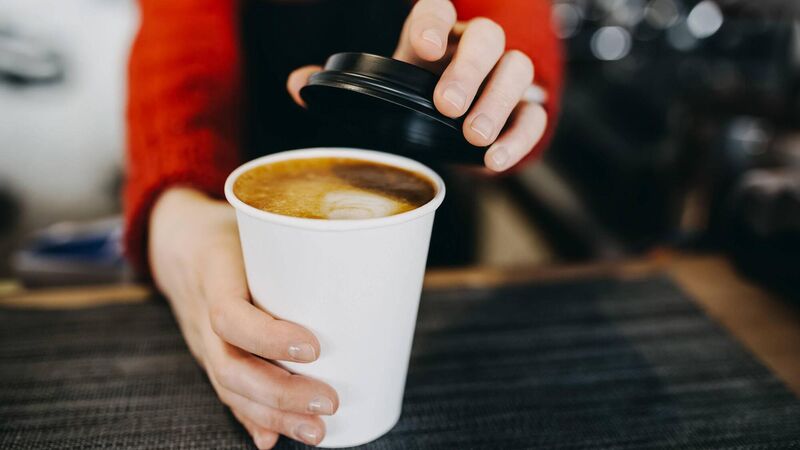
When you buy good coffee, you are not just buying caffeine. You are buying the labour of people you will never meet. You are buying fuel, shipping, skill, risk and time. You are buying a small daily luxury whose apparent simplicity disguises a remarkable chain of human effort.
We’ve all done it.
You step into a handsome little cafe in Galway, Cork, or Dublin, order your regular Americano, tap your card… and then mentally recoil.
€4? For a coffee?
You glance around at the concrete floors, hanging plants, and lovingly chalked menus and assume, not entirely unfairly, that someone, somewhere, must be doing very nicely out of your daily caffeine habit.
But what if that €4 cup is not a scandal, but a small miracle?
What if, instead of grumbling, we might actually pause — just for a moment — to consider where good coffee comes from, what separates it from the brown disappointment dispensed at motorway stops, and why that seemingly modest drink represents one of the most complex and morally tangled supply chains on Earth.
Read More
A useful place to begin is with an outlier.
Last month, headlines emerged from Dubai of a coffee selling for nearly $1,000 (€867) a cup.
The beans — a rare Panamanian Gesha called “Nido” — had sold at auction for over $30,000 per kilo, shattering previous records.
Only a handful of people on the planet will ever taste it. A small portion has reportedly been reserved for the president of the United Arab Emirates and his family. Every cup, the seller said, “feels like a piece of history”.
This is not the coffee most of us are drinking on a wet Tuesday morning, but it does remind us of something important: Coffee is not one thing. It is not a uniform brown powder. It is a fruit, a seed, an agricultural product, a global commodity, a craft, and, increasingly, a luxury.
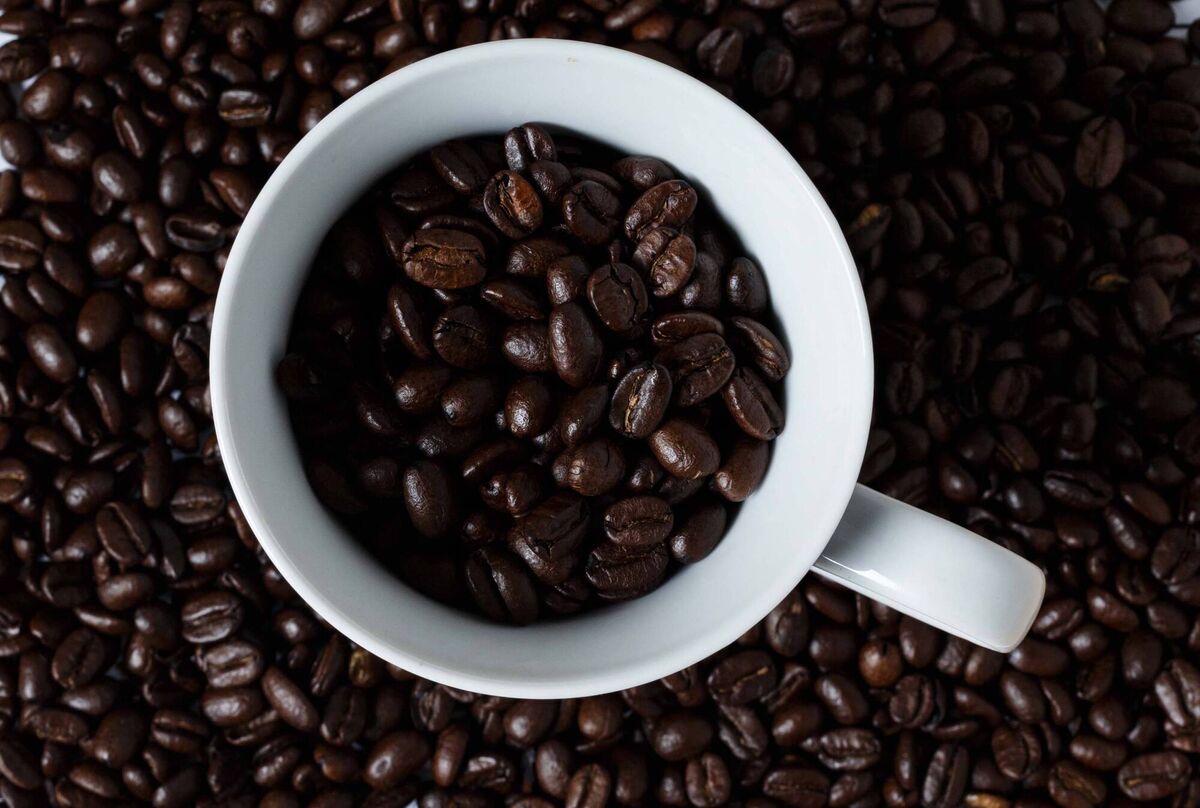
All coffee begins life on trees grown in tropical regions, largely along a band around the equator known as the “Bean Belt”. Countries like Brazil, Colombia, Ethiopia, Honduras, Vietnam, and Indonesia dominate global production.
The coffee plant produces a small red fruit — a “cherry” — inside which sit two seeds. These seeds, once removed, dried, and roasted, become the beans we grind.
The journey from cherry to cup is long.
In much of the world, coffee is still picked by hand. Cherries must be harvested at the right moment, then pulped, fermented, washed, or naturally dried, sorted and graded. They are bagged, shipped across oceans, bought by importers, roasted by specialists, rested, ground, extracted and finally served.
Each step costs money. Each step can improve — or ruin — what ends up in your cup.
The reason your flat white tastes nothing like the bitter liquid from a service station pump is not snobbery. It is biology and care.
Cheaper coffee is often made using robusta beans, a hardier species that grows easily, produces high yields, and contains more caffeine but fewer aromatic compounds. It is frequently roasted very dark, destroying subtle flavours and emphasising bitterness, because bitterness is stable and predictable.
Specialty coffee, by contrast, is usually arabica: Harder to grow, more vulnerable to disease, and more expensive.
Its flavours depend on altitude, soil, rainfall, processing method, and roast profile. It can taste of citrus, chocolate, berries, florals or spice. But those flavours only appear if the farmer, processor, roaster and barista all do their jobs well.
This is where the €4 begins to make sense. The café is paying more for better beans. Those beans are bought in small lots, often traceable to individual farms or cooperatives.
They cost more to ship, more to roast, and more to waste when something goes wrong. The machines that brew them can cost tens of thousands of euros. Staff must be trained. Rents in Irish cities are unforgiving. Electricity, milk, cups, repairs, taxes, and wages swallow far more of your €4 than most customers realise.
Margins in good cafes are rarely lavish. They are fragile.
Then there is the ethical dimension — the one that most complicates the idea of “expensive” coffee.
Coffee supports the livelihoods of millions of smallholder farmers worldwide. Yet historically, those farmers have received a tiny fraction of the final price of a cup.
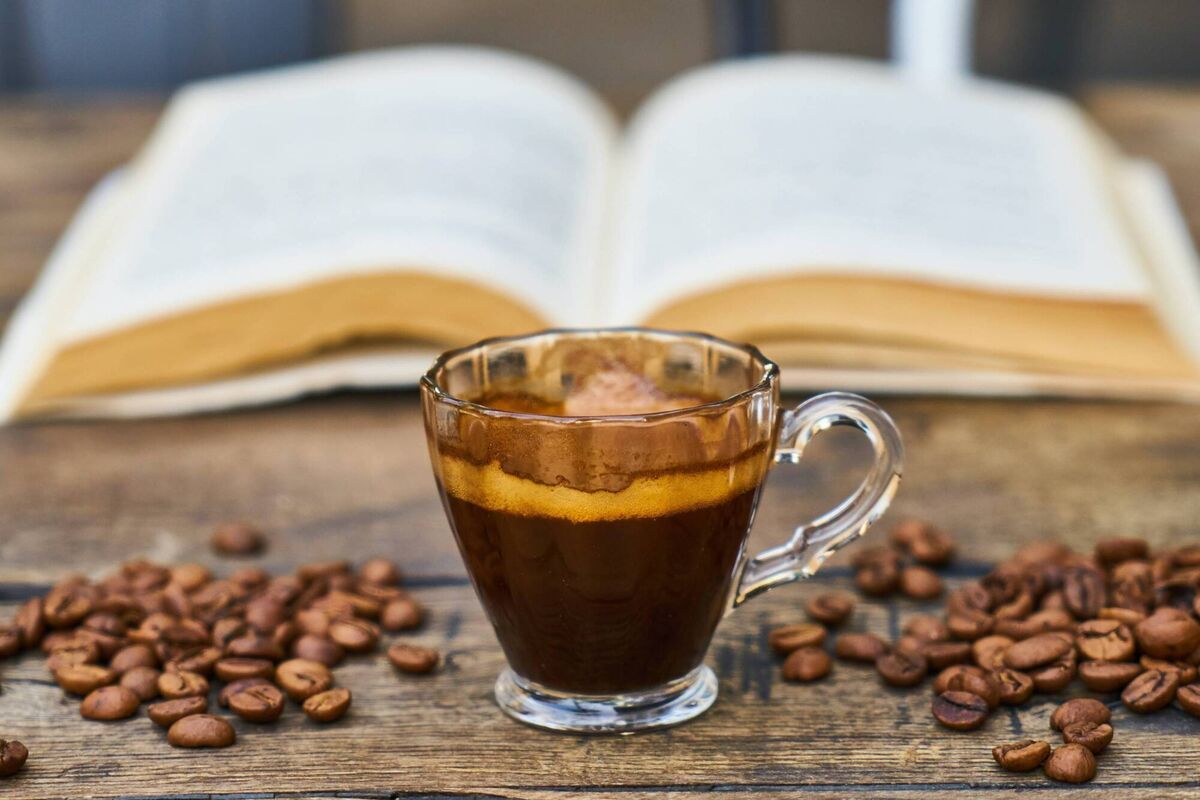
Global coffee prices rise and fall on commodities markets far removed from the hillsides where the crop is grown. When prices crash, it is producers who suffer first. Climate change has made harvests more unpredictable, pests more aggressive, and traditional growing regions less reliable.
This is why certifications and sourcing models like Fairtrade, organic, and direct trade exist. They aim, imperfectly, to stabilise incomes, promote sustainable farming, discourage exploitative labour practices, and reward quality. Paying more for coffee at origin can mean farmers can invest in equipment, education, soil health, and, crucially, staying in coffee at all.
None of this is visible when you’re standing at a counter wondering if a pastry would soften the blow. But it is embedded in the drink.
There is also a persistent claim that coffee is the second most traded commodity in the world after oil. Strictly speaking, that’s a myth. Measured by total value or volume, coffee does not consistently rank second. But the instinct behind the statement is right.
Coffee is among the most widely traded agricultural products on Earth, and for many countries it remains a cornerstone of export income. Few other drinks connect so many rural communities to so many urban rituals.
Which brings us back to the cup in your hand.
When you buy good coffee, you are not just buying caffeine. You are buying the labour of people you will never meet. You are buying fuel, shipping, skill, risk and time. You are buying a small daily luxury whose apparent simplicity disguises a remarkable chain of human effort.
You are also buying, if the café has done its job properly, a better experience: sweetness instead of bitterness, texture instead of scalding milk, something to savour rather than something to endure.
So yes, €4 is real money. It deserves a moment’s consideration. But perhaps it also deserves a little respect.
Because that cup did not fall from a machine. It travelled.
And the next time you wrap your hands around it on a wet Irish morning, it may be worth remembering that what you’re drinking is not just coffee.
It is the end of a very long story.


CLIMATE & SUSTAINABILITY HUB
CONNECT WITH US TODAY



Be the first to know the latest news and updates