State must come to terms with its own miscarriages of justice
Jon Burrows was correct when he stated recently that the Irish Government should apologise for some of what went on during the Troubles.
The Ulster Unionist leader believes that Irish governments were less than robust in tackling the Provisional IRA, particularly when it came to extradition.
“I would love Ireland to say that some of their conduct during the Troubles was unjustified and unjustifiable,” he said.
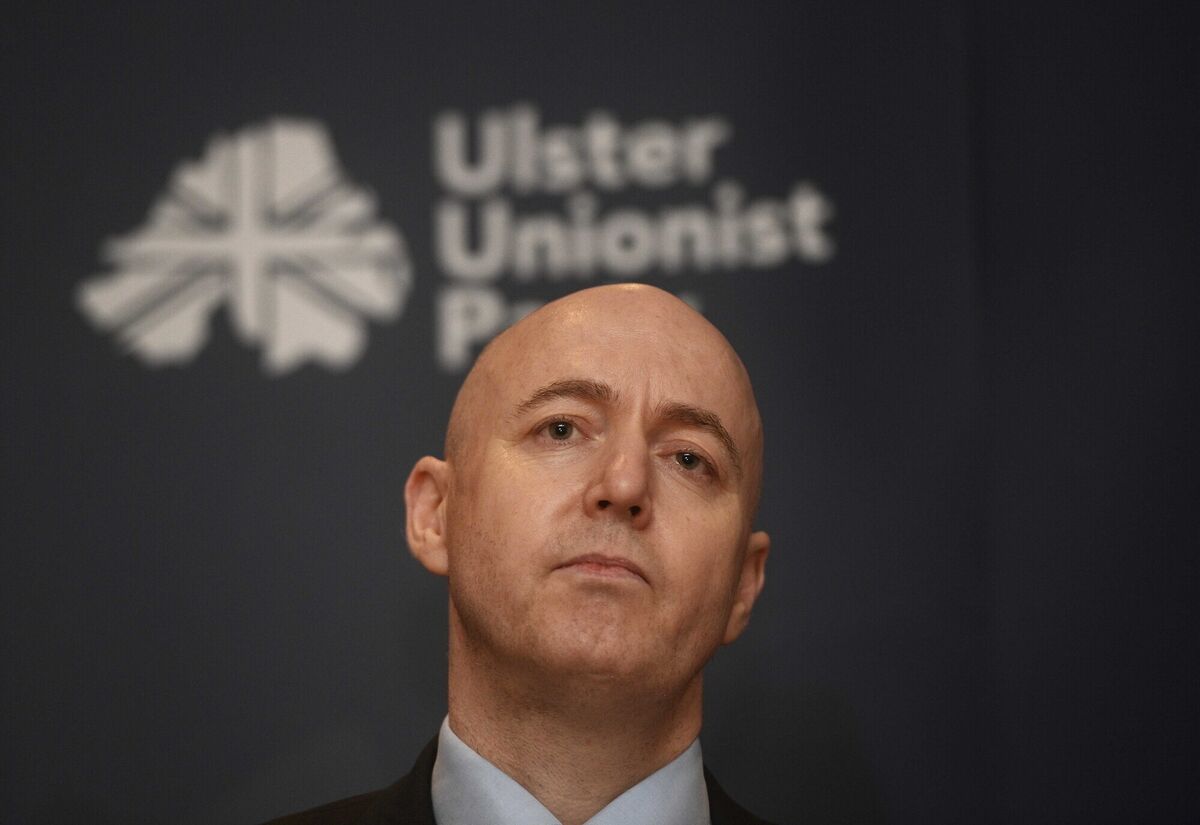
While he has a point about an apology, Mr Borrows is completely wrong on the basis for which an apology is warranted. It is not to the unionists that an apology should be made, but to citizens of this State who were subjected to violence and torture.
The call for an apology is the latest echo from a period of violence, upheaval, and trauma which has never been resolved. The failure to even attempt to address this has led to individual entities scripting their own history.
Nobody does this better than those who describe themselves as republicans, principally in the Sinn Féin party. Last week, Mary Lou McDonald marked the first anniversary of the death of Brendan ‘Bik’ McFarlane.
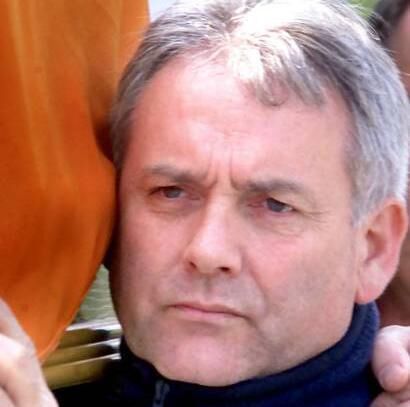
This is how she remembered him: “He dedicated his life to the pursuit of freedom, unity, peace, and equality. It was a life well lived, a life that shaped a legacy that will inspire generations to come.”
She does not mention that he was a leading member of the Provisional IRA. She describes a man who pursued peace, ignoring that he was part of a sectarian gang who machine gunned and bombed a Protestant bar in 1975, killing five people, including 17-year-old Linda Boyle and 29-year-old Joanne McDowell.
The man whose legacy will apparently inspire generations is believed to have murdered Irish Garda recruit Gary Sheehan and Defence Forces private Patrick Kelly in Derrada Woods in Leitrim in 1983. McFarlane was part of a gang which, in the best traditions of the mafia, had kidnapped a wealthy industrialist, demanding money.
His gang, or movement, or however you want to term them, were intent on violently imposing a 32-county socialist republic on the island, against the wishes of the vast majority.
Those like McDonald who have lauded McFarlane, attempt to portray the violence as necessary to protect the Catholic community in the North.
Yet the Provos killed more Catholics than any other armed actor in the conflict, and at no stage did a majority in that community support killing for a united Ireland.
Scripting their factoid alternative history isn’t confined to bigging up killers whom the movement consider heroes.
Last month, the Kenova report into the activities of Freddie Scappatici was published. He was employed by the Provos to torture and kill informers, but for years he was a double agent, working for the British.
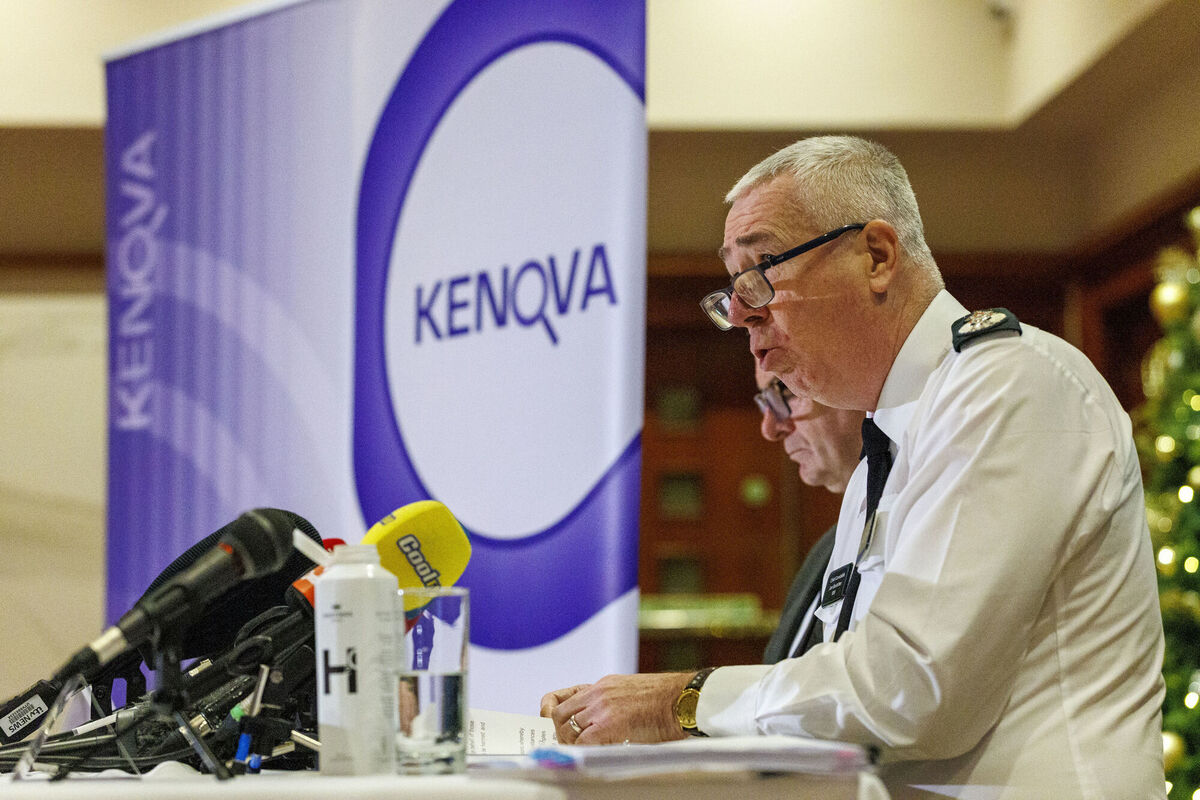
Reacting to the report, McDonald told the Dáil that the British state allowed Scappatici to continue killing when he was working for them.
“Victims were not warned,” she said. “Families were left in the dark. Lives were treated as expendable. This was not an error. It was not a failure of oversight. It was a deliberate political choice.”
The observation concerned the British security services, but just as much, if not more, should be applied to Scappaticci’s employer — the Provisional IRA. Nowhere in McDonald’s lengthy address on Kenova did she mention the reviled agent was a recruit of the Provos. It’s as if the British just invented him. So, it goes with a manufactured review of recent history.
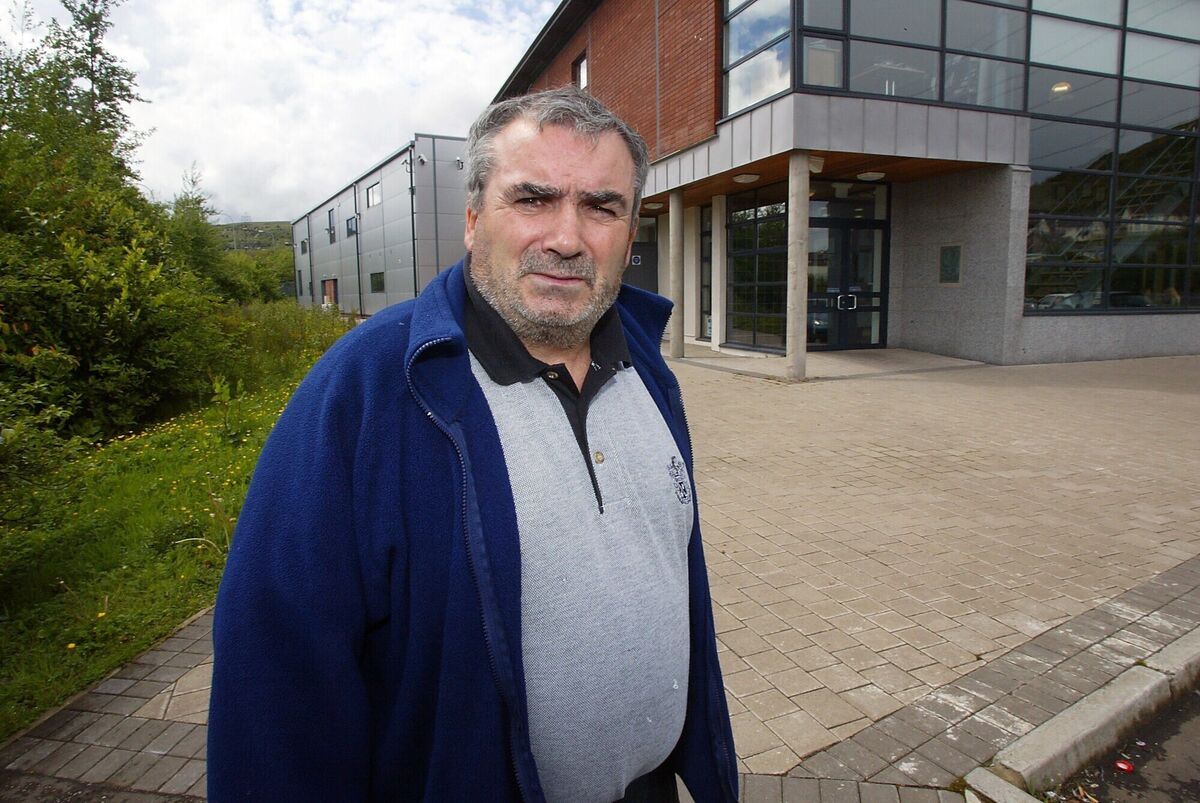
While the Provos never managed to impose their totalitarian state, they were successful in one respect. A prime objective in spreading terror, through actions like planting bombs in public places, was to elicit a severe reaction from the state. This came to pass through the British security services colluding with loyalist paramilitaries to murder often completely innocent Catholics. A de facto policy was pursued in some respects to fight terror with terror. Innocents were murdered in a manner that should be abhorrent to any democratic society.
In the south of the island, standards required of a democracy also fell. The State, as Micheál Martin noted in response to Jon Burrows’ comments on an apology, “fought tooth and nail against the Provisional IRA”. He also correctly noted that the Provos had murdered gardaí and other servants of the Irish State.
The response from the State, however, was perpetrated in a manner ill befitting a democracy. In the early 70s, a group within An Garda Síochána came to be known as the 'Heavy Gang'. Their forte was assaulting republican suspects in custody and beating confessions out of them. Whether or not these confessions were factually based was irrelevant. The general sentiment among some of this group of gardaí was that if these suspects weren’t guilty of the particular crime being investigated, they were of some other crime.
Such policing was illegal and highly damaging to a society where human rights were allegedly valued.
The most infamous case of this was the investigation into the Sallins mail train robbery in 1976. A number of suspects — mostly members of the Irish Republican Socialist Party — were rounded up, arrested, and subjected to serious assault in custody. False confessions were signed by three of them: Nicky Kelly, Osgur Breatnach, and Brian McNally.
All were charged and convicted. Kelly did a runner before the verdict, but later returned. The other two successfully appealed the convictions. Eventually, Kelly was freed. All three brought civil actions against the State, which were settled in the early 90s.
Apart from the Gardaí, huge questions arose over the conduct of the judiciary in the course of a protracted trial process. There is also no doubt but that the government of the day had no intention of ever investigating whether malpractice or a miscarriage of justice had occurred. It has long been established that the small band of gardaí who were known to assault suspects were operating with effective impunity.
Breatnach has fought a decades-long campaign for a proper investigation into the Sallins case. He has received support right across civic society and from the UN for his campaign, but successive governments have refused to initiate any kind of inquiry.
The impunity that applied to beating up Republican suspects spawned a garda culture that led to serious miscarriages of justice — like the Kerry babies case, and, later on, the framing of the McBrearty family in Donegal for a murder they had nothing to do with.
Over the last quarter a century, successive governments have correctly issued apologies to those who were wronged by the State. Principally, these were vulnerable individuals, often children, who were effectively sacrificial lambs in a society living under warped values. The apologies were belated, but one can only hope were of some comfort to those who were terribly wronged.
Some might not find it as easy to sympathise with individuals beaten up in custody by the Heavy Gang. Many among them were members of entities that supported a campaign of violence attempting to overthrow the State. That, however, did not render it legal, necessary, or even excusable to strip away their basic human rights.
The resistance to the Provos that Martin outlined was rooted in a belief that democratic principles would not be sacrificed on the altar of fanatical violence. By that token, the State, even at this late stage, needs to examine the violence perpetrated by its own agents.
An apology for the activities of the Heavy Gang, and the impunity that applied, is long overdue, but would represent a cathartic acknowledgement that some things should not have happened.

CONNECT WITH US TODAY



Be the first to know the latest news and updates