Prison should not be a waiting room for mental health services
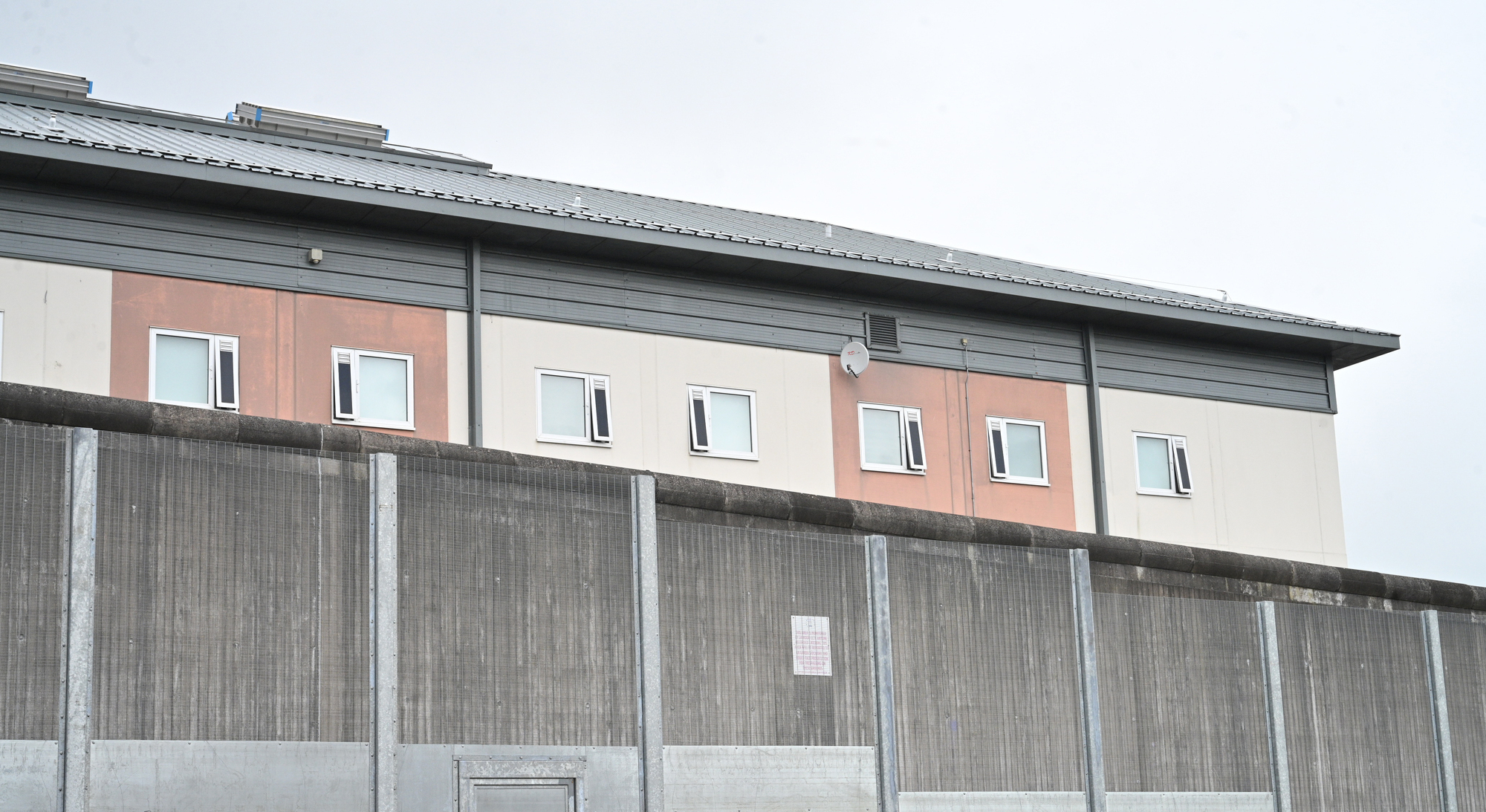
Cork Prison. Ireland is using prison to warehouse people experiencing mental health crises who should be receiving treatment and services outside of prison. File picture: Larry Cummins
The recent RTÉ documentary, , has dragged into the national spotlight what families have lived through for years and what official reports have repeatedly warned about: Ireland is using prison to warehouse people experiencing mental health crises who should be receiving treatment and services outside of prison.
The bravery of the families who spoke out, recounting the suffering of loved ones detained as prisoners while experiencing serious mental health crises in overcrowded prisons deserves recognition and serious reflection. Their stories are not isolated tragedies. They are the predictable outcome of a system that has failed for decades to build meaningful diversion away from the criminal justice system to mental health services.
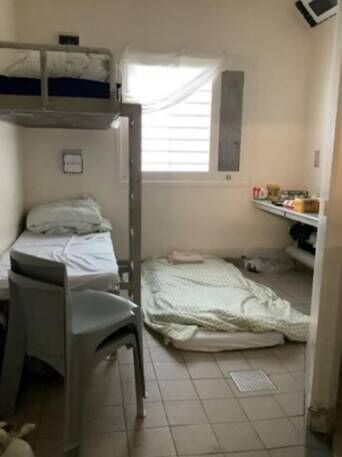
The figures are stark. Dozens of acutely psychotic people are currently waiting in prison for admission to the Central Mental Hospital. In Cloverhill (Ireland’s largest remand prison), more than 55 prisoners experiencing psychosis have at times been held in a medical landing built for 27. This crisis did not emerge overnight.
Ireland had vast psychiatric institutions and a relatively small prison population for much of the 20th century. From the 1970s onwards, psychiatric hospitals began closing down. That reform, de-institutionalisation, came late to Ireland and was a welcome and necessary policy shift.
Read More
But it was never matched by investment in community mental health services. Over time, the numbers tell their own story: fewer in-patient beds, more prisoners, and a steady rise in the proportion of prisoners with serious mental health problems.
Nearly 50 years ago, the 1978 Henchy Report described the failure of Irish law to connect accused persons to appropriate psychiatric treatment as a “grave defect”. It proposed powers for courts, before and after conviction, to refer people to designated centres and even to mandate outpatient treatment in the community. Those proposals were detailed. They were workable. They were shelved in the Department of Justice, where they have gathered dust ever since.
Decades later, successive Inspectors of Prisons have warned that prisons were detaining people with serious mental health problems too severe to be managed in that environment. The European Committee for the Prevention of Torture has repeatedly criticised Ireland for continuing to hold people in severe mental health crises in prison because of a lack of appropriate services.
When the Mental Health Act 2001 was enacted, it was welcomed as long overdue reform. The 1992 Green Paper on Mental Health suggested a progressive approach and acknowledged the need to develop diversion for defendants and offenders with serious mental illness.
However, by the time the 1995 white paper was published, that ambition had cooled, with reservations expressed about referring people engaged in criminal proceedings into general mental health services. The 2001 Act was expedited to settle the Croke case before the European Court of Human Rights could rule against Ireland on its system of involuntary detention.
In the rush to avoid condemnation, diversion was left out of the 2001 Act. Courts were not given the pre-trial and post-conviction referral powers envisaged by the 1978 Henchy Report. No statutory diversion framework was introduced.
Instead of building a coherent, statutory diversion framework, the State has developed a patchwork of in reach services into prisons to respond, in some limited way, to the escalating mental health crisis behind bars. The Prison In reach and Court Liaison Service in Cloverhill has done important and commendable work, but it remains overstretched and under resourced.
A problematic feature of the current crisis is that diversion in Ireland largely happens only after someone has been remanded into custody. In other words, a person must first be received into the prison system before they can access mental health services. That is discriminatory in practice. No one else must pass through a prison gate to secure access to health services.
The new Central Mental Hospital (CMH), opened at enormous public cost and to much fanfare in 2022, is not the sole solution to the problem. It is a highly specialised secure forensic facility. It cannot and should not absorb the failure of community mental health provision.
As the RTÉ documentary makes clear, the waiting list for admission continues to grow.
We are on the cusp of enacting new mental health legislation following more than a decade of review of the 2001 Act. That reform process has focused solely on civil admission safeguards and procedural rights, etc. within what we call “approved centres” (a service registered by the Mental Health Commission to provide in-patient treatment).
Those reforms matter. But they will not fix what RTÉ has exposed. The new legislation will not deliver the diversion framework needed. If Government is serious about preventing prison from becoming a default mental health policy, there are some things that must now happen.
First, sustained and ringfenced investment in community mental health services and the development of regional forensic services. Ireland has long promised to increase the proportion of the overall health budget allocated to mental health. It still lags behind comparable jurisdictions.
Without properly staffed community teams, crisis services and supported accommodation, diversion will remain rhetoric. Government must confront the chronic underfunding of mental health services.
In 1984, approximately 13% of the total health budget was allocated to mental health. Under the HSE National Service Plan 2025, that figure stands at 5.6%.
Second, urgent statutory reform is required to embed diversion at every stage of the criminal process, from pre-arrest to post-conviction. It is indefensible that people must first be remanded into custody before meaningful mental health pathways open up.
That requires a comprehensive review of the Criminal Law (Insanity) Act 2006, which governs findings of not guilty by reason of insanity, fitness to plead, and transfers to the Central Mental Hospital. During the prolonged review of the Mental Health Act 2001, diversion was not addressed.

Reform of civil mental health law alone cannot fix what RTÉ has exposed. The 2006 Act must now be revisited with a clear purpose: to place diversion on a statutory footing across the criminal justice pathway and to properly connect civil and criminal mental health frameworks.
RTÉ has shown us the human cost of delay. Families have spoken of loved ones deteriorating in cells instead of receiving care. Judges have publicly expressed frustration at the absence of workable alternatives to detaining people in prison.
Successive governments have commissioned review after review for decades, and then done almost nothing to implement the recommendations. If kicking the can down the road were an Olympic sport, they would be standing on the podium collecting gold.
The new Mental Health Act will not, by itself, resolve this crisis. Unless we build and resource a diversion system and properly fund community mental health and regional forensic services, the cycle will continue.
Prison was never meant to be Ireland’s largest waiting room for mental health services. It has become one because we allowed it to.
- Dr Charles O'Mahony is associate professor in Law at the University of Galway.

CONNECT WITH US TODAY



Be the first to know the latest news and updates