Future Cork: A new chapter is on the horizon for Cork, but only with continued support
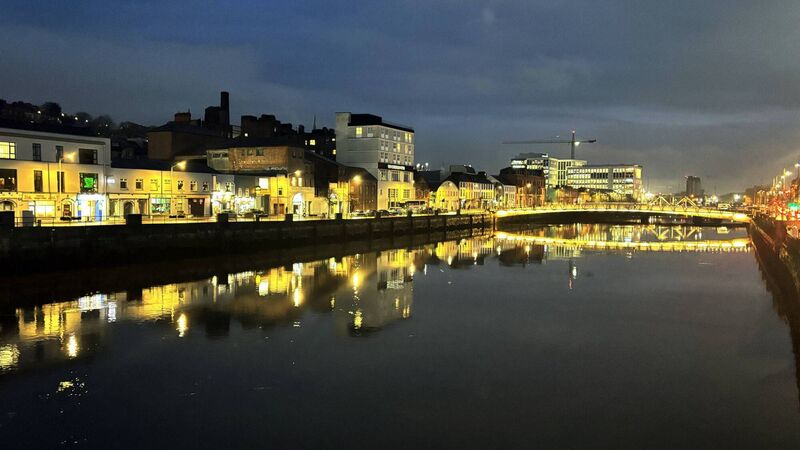
We share a vision for a progressive Cork region, characterised by a high quality of life, world-class educational and cultural institutions, seamless transport and active travel, and supports for innovation that allow firms to grow and compete on a global scale, while also attracting talent and foreign direct investment.
Recent years have seen Cork transform into an independent economic engine. A city region that was, for a long time, viewed as a counterbalance to the capital has been transformed by significant investment, unparalleled talent and an ambitious local ecosystem, driven by a vision of a thriving, prosperous region.
Despite numerous international challenges in the past decade, business confidence remains high among firms operating in Cork. Ongoing growth and investment demonstrate the capacity of Cork business to be agile and resilient.
Across all stakeholders, the ambition for Cork is evident. We share a vision for a progressive Cork region, characterised by a high quality of life, world-class educational and cultural institutions, seamless transport and active travel, and supports for innovation that allow firms to grow and compete on a global scale, while also attracting talent and foreign direct investment.
Many other cities have a similar vision. What sets Cork apart is its unique heritage, its maritime traditions, and its enduring collaborative spirit. This spirit and ambition have supported Cork’s economic and population growth for many years, and recently, we have also seen this ambition bear fruit in terms of critical infrastructure development.
The Cork Area Commuter Rail Programme is transforming travel to the east and north of the city. Construction has started on the M28 Cork-Ringaskiddy motorway, which will support the future growth of the Port of Cork, while also helping to facilitate the Docklands regeneration — one of the largest regeneration projects in Europe.
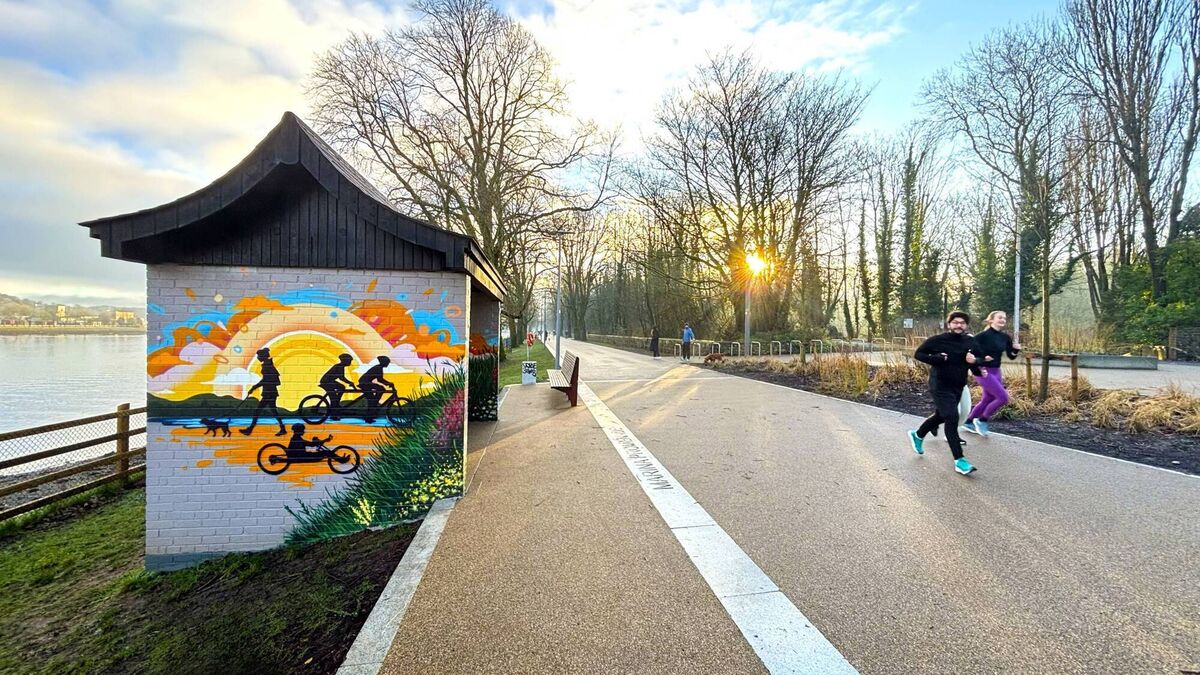
At the heart of the Docklands project is the recently-completed Marina promenade and park, providing recreation space and active travel infrastructure, complementing the work being done to encourage more sustainable travel modes right across the city.
A significant capital development plan for Cork Airport, currently under way, will support Cork’s international connectivity into the future.
At an earlier stage of development are other transformative projects for the city, such as Luas Cork and BusConnects, both of which will redefine Cork’s public transport offering.
The Northern Distributor Road — key to opening up Cork’s northside — is also progressing.
Critical utilities are needed to support new development and economic growth and a new wastewater strategy for Cork is on the way, alongside the development of offshore renewable energy off the south coast, and investments in grid infrastructure.
This is all hugely positive. However, timelines and funding streams for the delivery of key projects like Luas Cork and the Northern Distributor Road remain uncertain. While progress is also being made on long-term projects like the M20 Cork to Limerick motorway and the R624 Great Island Connectivity Scheme, it is happening at a pace that falls short of what our growing region requires.
In planning for the long term, social and community infrastructure must be prioritised too, including projects like the events centre and the elective hospital. The redevelopment of the Crawford Art Gallery, Ireland’s only national cultural institution outside of Dublin, is underway and will enhance the city’s already vibrant cultural offering for generations to come.
The cumulative impact of so many important projects for Cork will be transformative for the city and wider southern region. A new chapter for Cork is without doubt on the horizon. The challenge now, and in the coming years, is to ensure the full potential of this new era is realised. We already know the necessary ambition exists in Cork — what is required now is support for this ambition, in terms of critical funding commitments and delivery at pace.
Initiatives such as the Accelerating Infrastructure Action Plan, published by Government in December, present valuable opportunities to advance key projects for Cork that also support economic and population growth on a national scale.
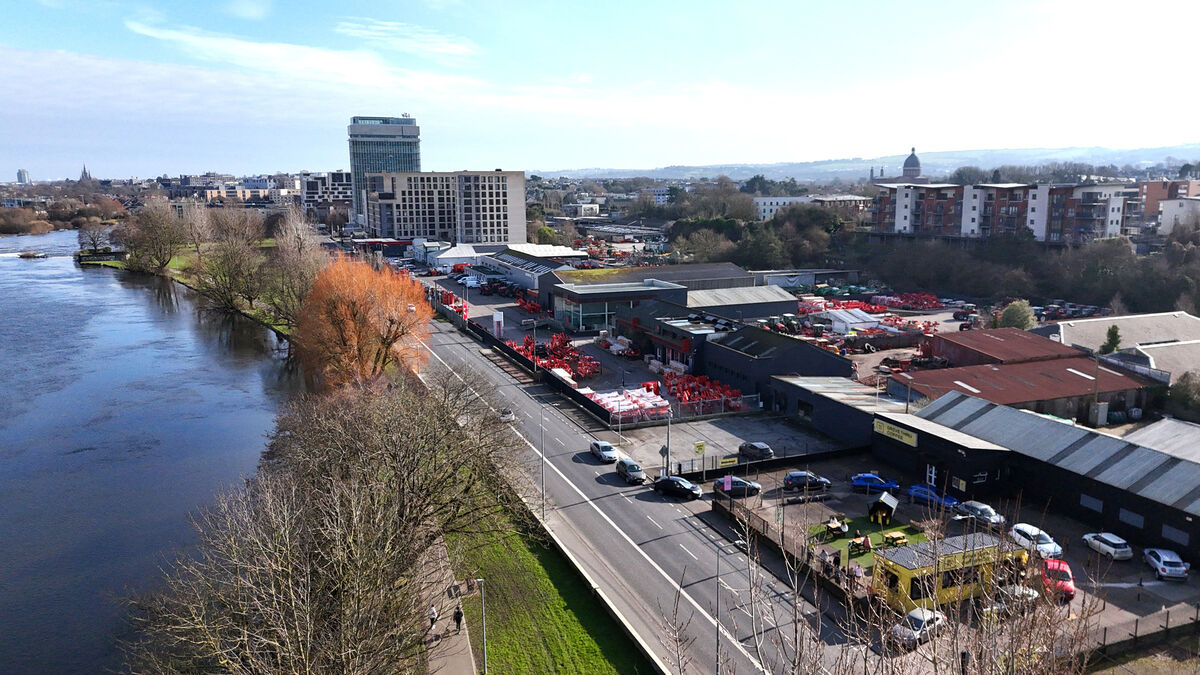
Luas Cork and the Northern Distributor Road are prime example of the type of project that could be test cases for the plan. Removing obstacles and accelerating development timelines could see Luas Cork delivered within the next 10 years, and the Northern Distributor Road within seven years, while still ensuring opportunity for consultation and engagement.
Consideration should also be given to the establishment of an integrated, Cork-based office dedicated to infrastructure delivery. By basing the key teams responsible for the delivery of Cork’s critical infrastructure projects in one office, including the National Transport Authority, Transport Infrastructure Ireland, Bus Éireann and Irish Rail, as well as the Land Development Agency and providers of critical utilities, an integrated office would ensure ongoing alignment and daily collaboration on projects of strategic importance for the region, helping to expedite delivery.
We have already seen what can be achieved in Cork when funding and support is in place; in the area of sustainability, Cork is becoming a national and international leader. Collaboration between Cork City Council and organisations like Cork Chamber led to the awarding of the EU Mission City label last year, while initiatives such as the Local Green Deals have been successful in supporting local businesses to implement effective sustainable practices in their organisations.
With so much happening in our city, we might be forgiven for focusing too much on the local, and not enough on the national and international. However, Cork is an outward-looking, open and global city. Ensuring Cork’s continued attractiveness, affordability and welcoming spirit is a challenge that demands investment in the public realm, support for hospitality and the night-time economy, and a coordinated approach to housing, transport, education and infrastructural development.
With a world-class education and research offering, the region’s talent pipeline consistently produces work-ready graduates across all sectors. Cork has also been incredibly successful in attracting international talent and investment to the region, resulting in a thriving economic ecosystem across diverse industries, from financial services to tech and life sciences, as well as a dynamic social and cultural landscape.
The rapid reshaping of the global economic landscape and geopolitical order poses a challenge to continued growth, however. While this reshaping may be caused by factors outside of Ireland’s control, the national and regional response to these changes remains firmly within our power.
This economic evolution should be viewed as an opportunity to be more dynamic, agile and proactive in our future planning. Seeking out new markets for Irish business, building relationships with new international partners, and continuing to support domestic enterprise growth in the long term will be vital.
Preparations are under way for Cork to host the Ireland-UK Summit next month, as well as for Ireland’s EU presidency in the second half of 2026 — two key opportunities to showcase Cork internationally.
The end goal of this ambition, investment and development is a more competitive Cork region, a vision shared by businesses and the wider community. The future of our city region will be shaped by the challenges we face and our response to them. Cork is already home to the ambition needed to meet these challenges head-on — what we need now is the support from Government to match this ambition with delivery.
- On Friday, February 27, the will present 'Future Cork', a flagship event bringing together leaders, innovators, and changemakers to explore the opportunities and challenges that will shape Cork’s next decade.
- This article is part of the Future Cork series.

CONNECT WITH US TODAY



Be the first to know the latest news and updates