After the floods, climate obligations cannot be optional
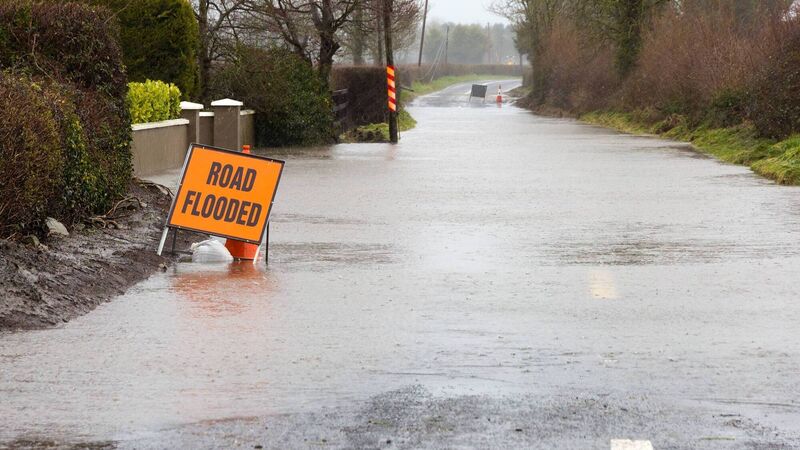
Met Éireann’s confirmed the extreme rainfall of recent weeks was almost three times more likely due to climate-charged atmospheric moisture.
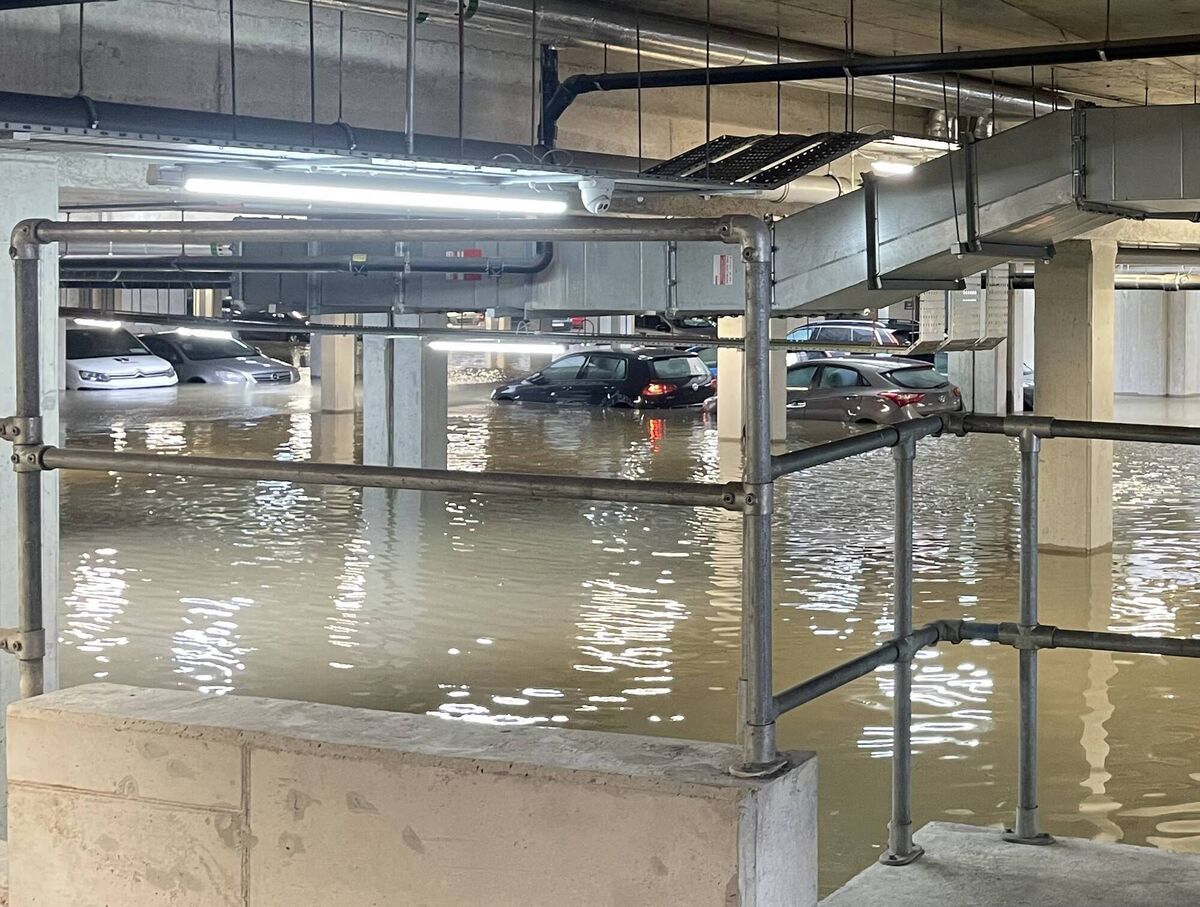
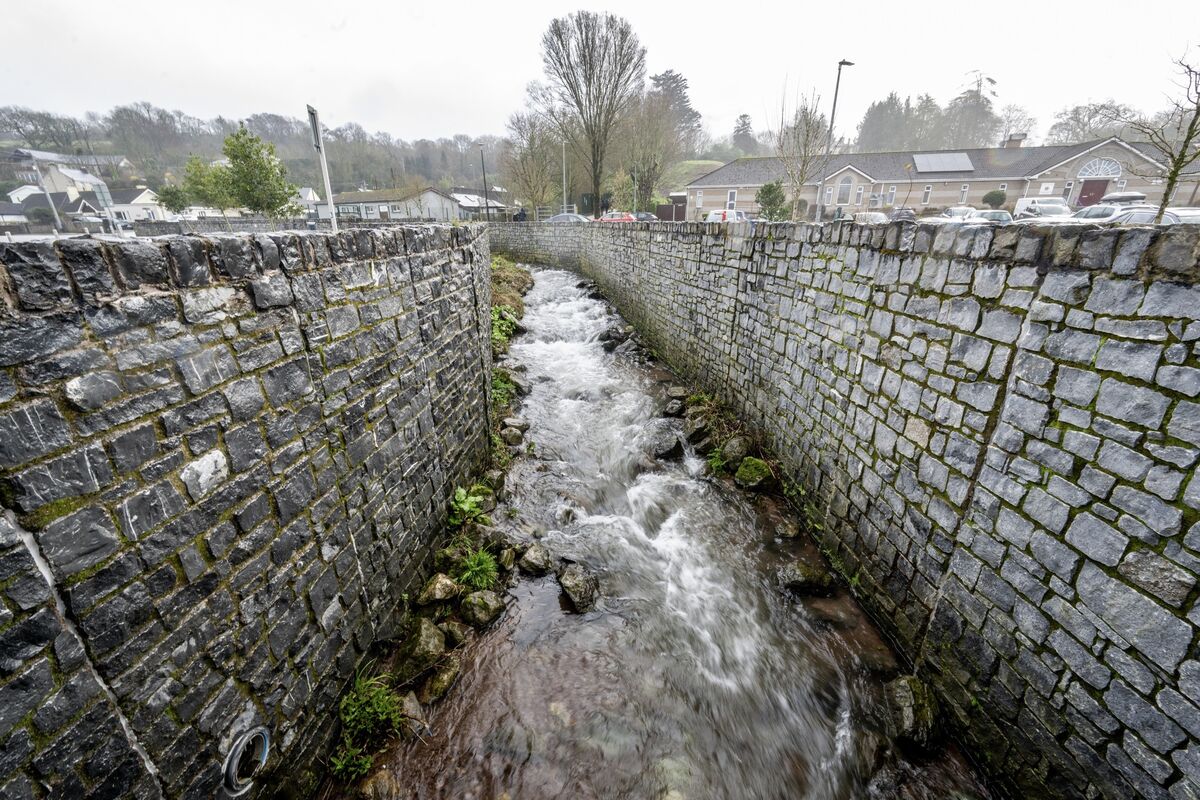
The past few weeks have offered Ireland a glimpse of a climate-changed future. Homes and businesses have flooded, rivers have burst their banks, roads and rail lines have been paralysed, and critical infrastructure has shown its vulnerabilities.
Met Éireann’s rapid attribution study confirmed this extreme rainfall was almost three times more likely due to climate-charged atmospheric moisture.
The immediate priority must, of course, be supporting affected communities. But once the flood waters recede, a more uncomfortable question remains: what is the State doing to address the root causes of these worsening extremes?
It is in this context the Supreme Court delivered its recent judgment in Coolglass v An Coimisiún Pleanála — the first ruling on Section 15 of the Climate Action and Low Carbon Development Act 2015. In the words of the chief justice, the significance of the case “cannot be overstated”.
The court confirmed all “relevant bodies” — including public bodies with and without an explicit climate function — must, as far as practicable, perform their functions in a manner consistent with national climate plans and objectives.
The court held that section 15 demonstrates "a clear legislative intention to impose legal obligations on all relevant bodies constituting the machinery of the State" enforceable by courts, if necessary.
The case arose from a proposed wind farm development in Co Laois, where the High Court had overturned a refusal of planning permission. The Supreme Court agreed the planning authority had incorrectly treated contravention of the development plan as automatic grounds for refusal, failing to weigh the project’s climate benefits.
While the judgment’s immediate implications concern planning decisions, its broader significance extends to all “relevant bodies” under the act. That includes both “public bodies” and “prescribed bodies” as defined in the Freedom of Information Act 2014 — a wide range of organisations, from Government departments and local authorities to the HSE, Irish Water, the CRU, the Central Bank, higher education institutions and dozens more, including many that would not traditionally see themselves as having a climate role.
Why should they? Because climate change is not an environmental side-issue. It is a whole-of-State emergency — recognised by the Dáil in its 2019 declaration and reinforced by the Oireachtas in 2021, when it strengthened the Climate Act, introducing legally binding carbon budgets and enhancing the Section 15 public sector duty.
At the same time, climate action brings tangible benefits. Reducing emissions improves air quality and public health, enhances energy security, lowers household and business energy bills, and strengthens community resilience.
Early action avoids far greater economic and social damage later, protecting both communities and ecosystems. Given the scale and cross-cutting nature of the crisis, no State body can credibly treat climate consistency as peripheral to its mandate— which is why Section 15 makes climate consistency a legal duty for all relevant bodies.
The critical question now is whether public bodies are meaningfully engaging with their Section 15 obligations. Ministers have statutory powers to require compliance reports detailing the measures adopted and progress made. They can issue binding directions where necessary.
Annual reporting requirements and climate literacy training across the public sector would be logical first steps in ensuring that the obligation is taken seriously.
Instead, the Government’s early response to the Supreme Court’s clarification sends a conflicting signal.
Just over a week after the Coolglass judgment, it proposed legislation to abolish the passenger cap at Dublin Airport — a move that would increase greenhouse gas emissions. The published heads of bill explicitly disapply Section 15.
In effect, the proposal would carve out an exemption from the very obligation the Supreme Court has just confirmed is legally binding.
This raises an obvious question: how can legally binding carbon budgets be reconciled with sectoral legislation that exempts itself from climate consistency requirements?
The Government already faces mounting pressure on implementation. Climate minister Darragh O’Brien has acknowledged Ireland will overshoot its first carbon budget programme by a “somewhat significant” margin.
The 2026 Climate Action Plan is delayed. Both the Environmental Protection Agency and the Climate Change Advisory Council have warned that, while the State knows what needs to be done, it faces an "implementation challenge", risking "staggering" compliance costs estimated in the region of €8bn-€26bn.
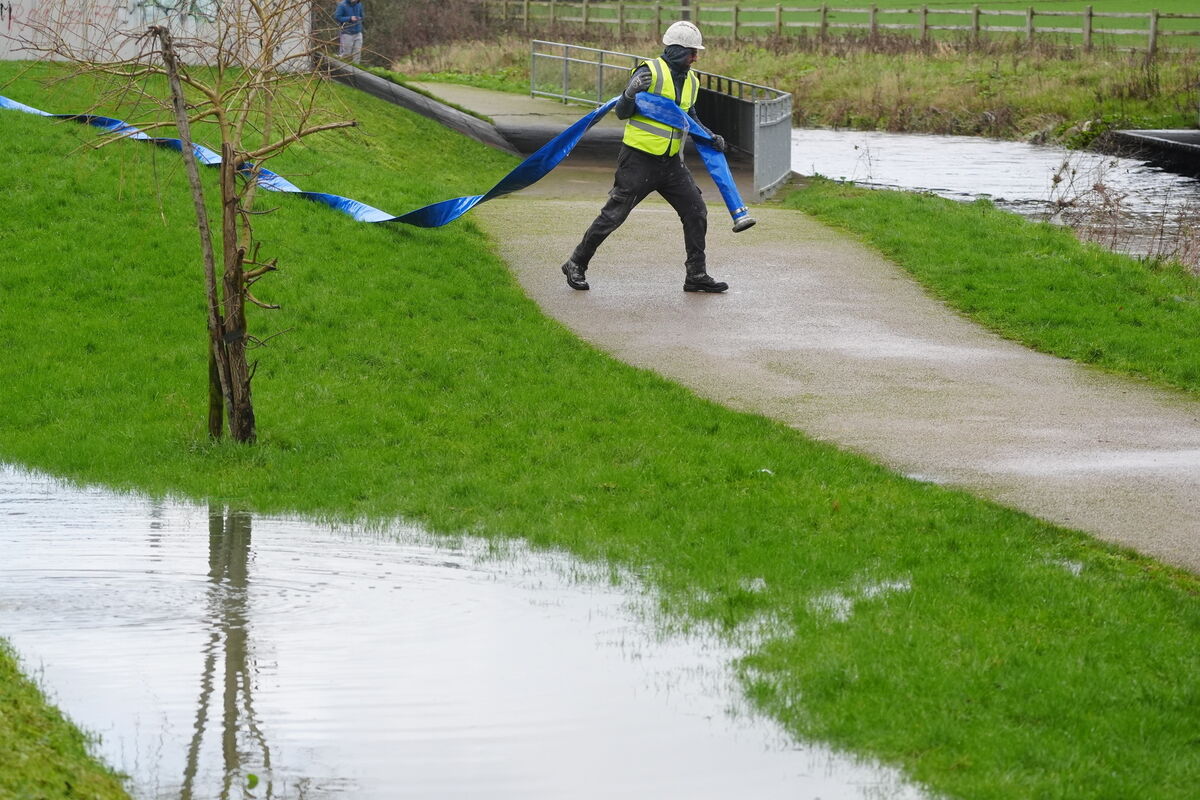
Meanwhile, communities are counting the far more immediate costs of extreme weather. The storms of recent weeks are not aberrations; they are part of a pattern scientists have long warned would intensify unless emissions fall rapidly.
The Supreme Court has now made clear climate consistency is not optional. Section 15 creates justiciable duties across the State. That legal clarity should strengthen resolve, not prompt efforts to dilute its reach.
Every major policy decision now sits against the backdrop of escalating climate risk. As communities rebuild from the latest floods, the question is no longer whether climate obligations apply across "the machinery of the state" — the court has answered that.
The question is whether the Government will treat those obligations as a framework for coherent, whole-of-State action, or continue to approach them as an inconvenient constraint.
- Rose Wall is a solicitor and founder of Ireland’s Centre for Environmental Justice

CLIMATE & SUSTAINABILITY HUB
CONNECT WITH US TODAY



Be the first to know the latest news and updates