Royal scandals expose why monarchy is losing relevance in Britain and beyond
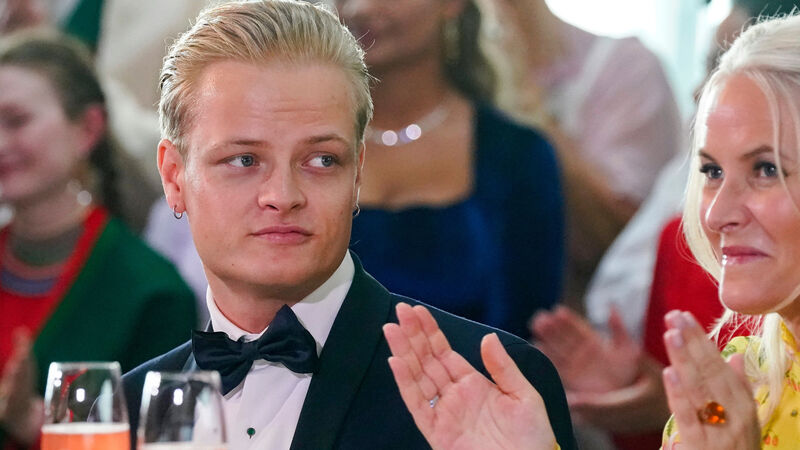
Norway's Marius Borg Hoiby and Crown Princess. Marius is on trial for rape and domestic violence. Picture: AP
— Ozymandias, Percy Bysshe Shelley
It begins, as it often does, with scandal. It will likely end that way, too. This time, not only in Britain, long the global stage for the great royal soap opera, but in Norway, where once squeaky-clean palace façades are cracking under the weight of very modern, and very very lurid embarrassments.
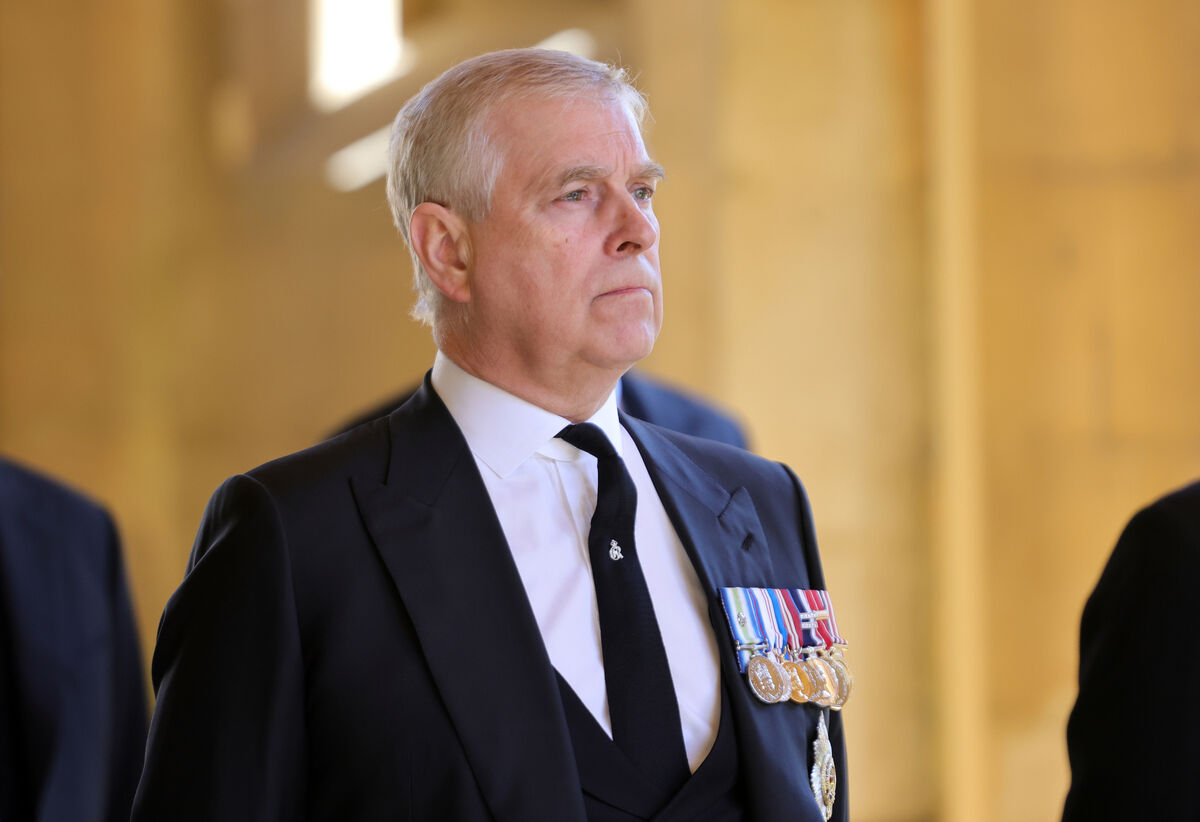
The latest allegations against Marius Borg Hoiby, son of crown princess Mette-Marit, have shaken the Nordic kingdom to its pragmatic soul. The princess herself is now embroiled in fresh controversy over hundreds of emails that tie her to Jeffrey Epstein. Across the North Sea, Britain’s crumbling institution finds itself once again defending the indefensible, in the form of the now exiled former prince Andrew — whose vile entanglements have become an open wound in the crumbling House of Windsor.
Each time, the reaction feels more weary, more hollow. There are fewer defenders, fewer royalists ready to rally to the banner. Something broader is happening: Monarchy itself as an idea, as pageantry, as moral fiction, is tilting irrevocably towards irrelevance.
According to the National Centre for Social Research in Britain, support for the British monarchy has fallen to its lowest level since records began in the 1980s, with barely half (51%) of Britons now believing it is “important” to maintain the institution. Just 40 years ago, as Princess Diana was privately miserable in her very public pomp, that figure was 86%. Meanwhile, almost four in ten now say they would prefer to see an elected head of state.
It’s not only the British crown under strain. In the Netherlands, support for the monarchy dropped from 75% in 2020 to 58% in 2021. In Spain, the shadow of Juan Carlos I’s financial scandals lingers, and a growing republican movement calls for a referendum.
The world now counts 43 monarchies, down from more than 100 a century ago. The trend is unmistakable: Monarchies have been in retreat since the dawn of the 20th century.
Today, kings and queens compete with celebrities and billionaires who perform the same symbolic role but live under democratic scrutiny. When Prince Harry and Meghan Markle fled Britain for California, they didn’t overthrow the old order, they simply franchised it into the influencer economy. Monarchs compete not with presidents but with Kardashians.
As philosopher Massimo Pigliucci argued in Think for Cambridge University Press, monarchy survives only as “a relic of our feudal past.” Even in constitutional form, it “affronts human dignity,” resting on the premise that some are born to rule and others to serve. The moral argument for abolition, Pigliucci says, outweighs any sentimental attachment or pragmatic stability such institutions might claim.
Constitutional theorist Craig Prescott, writing after King Charles III’s coronation, suggested the monarchy once had value as a “pressure valve” — a neutral arbiter in political crises. But that function has long disappeared. Modern conventions forbid the monarch from acting independently; by law and precedent, the king effectively must obey the prime minister’s advice. In moments of real crisis — Brexit, prorogation, aiding and abetting a genocide — the Crown cannot act, and cannot speak.
A republic, by contrast, allows for genuine accountability. A president, even a ceremonial one, can speak, question, or refuse. In Ireland, that quiet example already exists: Michael D Higgins — poet, academic, and elected representative of the people — commanded respect without any parade of inheritance.
To borrow from WB Yeats, writing of another age and another disillusionment: “Things fall apart; the centre cannot hold.”
The “centre” of monarchy, the belief that unity — and impunity — can be embodied in a single bloodline, no longer holds when belief itself is gone.
Monarchies have always been mirrors of empire. Britain’s global crown is shrunk to the point of disappearance; so too is its symbolic reach. Across the Commonwealth, countries are quietly but steadily cutting ties. Barbados became a republic in 2021. Jamaica is next. Australia has appointed an official 'minister for the republic'. Antigua plans a referendum. Even Canada’s politicians now openly question allegiance to a sovereign in another hemisphere.
Royals, for their part, remain trapped between two impossible roles. If they assert authority, they appear archaic. If they retreat into silence, they appear irrelevant. They cannot evolve, nor entirely vanish. But scandals, generational change, and cost-of-living crises are making the vanishing act more likely. In 1789, it took guillotines to topple kings. In 2026, all it may take is indifference. Leave them at it and they’ll guillotine themselves.
What, then, remains? Perhaps a faint curiosity at the relics of a bygone era — as quaint as the ruins of Versailles. And perhaps, too, a sense of quiet relief. When the last crown falls, the world will be a little lighter: Less hierarchical, less hypocritical, and if not more honest, then at least more accountable. The royal family, finally, will be free to be what everyone else already is: Human.
And so, as we watch scandals multiply and anachronism tightens its grip, each palace begins to resemble Shelley’s ruined colossus — the face of pride half-buried in the sand. “Look on my Works, ye Mighty, and despair!” he wrote. Nothing beside remains. The same could be said of empire, of monarchy, of divine right itself. The monuments still stand, but they no longer mean anything.
That, in the end, may be the most poetic fate of all.
CONNECT WITH US TODAY



Be the first to know the latest news and updates