Shona Murray: Keir Starmer’s Brexit dilemma as Brussels signals openness to UK return
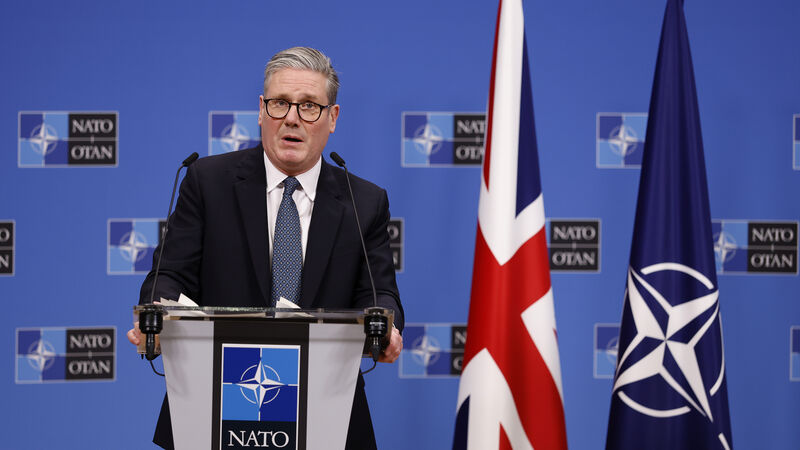
British prime minister Keir Starmer’s Labour government has done the bare minimum to restore British-EU ties.

A 'reset of the reset' of EU-British relations is under way. Goodwill is abound in Brussels for Britain to rejoin, or contribute to the future of Europe in as many ways as Britain wants — along with a financial contribution.
So far, Britain has been merely tinkering around the edges when it comes to any substantial shift in recalibrating EU-British relations, despite prime minister’s Keir Starmer’s 2024 election promise of a “reset”.
The Labour government has done the bare minimum for fear of triggering a tirade about “patriotism” from Brexiteers who have yet to prove one serious advantage of leaving the EU. A regulatory deal allowing British agricultural products and seafood to enter the EU single market without checks was agreed last May at the first EU-British summit but hasn’t yet materialised.
It’ll mean the fishing industry — the single industry that was supposed to be the biggest winner in Brexit — will no longer have to freeze most of their stock and complete arduous forms before exporting to the EU.
It’ll be like old times for them. It also means Britain will align with the EU’s regulatory standards for these industries under supervision from the European Court of Justice.
But recent overtures from the EU hope to draw London in a bit further. For the greater good of Europe and Britain. The question is whether London will embrace or shun this historic opportunity to reverse the most harmful effects of Brexit?
A major British-US trade deal — advantageous enough to replace the frictionless trade of the EU — was a pipe dream in the first instance, given among other things the vastly different production standards between the US and Europe — see chlorinated chicken and hormone-fed beef.
But the profound global shift we’re experiencing now wasn’t even foreseen. Trump’s aggressive use of tariffs to force governments to submit has shaken governments across the world.
It shouldn’t take another 10 years for the EU and Britain to react.
The derailing impact of Brexit for the British economy, citizens, residents, and the Good Friday Agreement were all set out prior to the vote.
Having a seat at the table in a bloc of nearly 500m people, at a time when the EU is on the verge of enlarging — with Ukraine and others due to join potentially in the next five years — makes sense.
The EU is a trading partner for 80 countries, as opposed to the US which is the top country for trade for 20 countries.
President of the European Parliament Roberta Metsola said this week: "it is time to exorcise the ghosts” of Brexit.
“Europe and the UK need a new way of working together, on trade, customs, research, mobility, and on security and defence”, she told the Spanish Senate on marking forty years of Spain’s membership of the EU.
Earlier in the week, Spanish prime minister Pedro Sanchez told the : “We miss the UK within the European Union.”
His comments were even more remarkable given the severely strained relations between Madrid and London over the fate of Gibraltar the British Overseas Territory on Spain’s south coast that voted 95.9% to remain in the EU.
Its a “clear need to have the UK on board again, especially nowadays”, said Sanchez. Last Wednesday, several EU states, in particular Germany, pushed for Britain to be allowed to contribute to the €90bn EU fund for Ukraine agreed before Christmas. Ukraine is due to run out of money in April.
Some €60bn of the loan is to be made available for necessary military equipment for Ukraine to defend itself against Russia’s crushing attacks on civilians, houses and energy infrastructure during a freezing cold winter. Member states this week agreed to allow British defence companies to participate in bidding for contracts in exchange for contribution to the interest of the loan.
Initially the EU — in particular France — insisted on an EU industry preference given the loan is coming from EU coffers.
While the Phyto-sanitary deal will also make life much easier for goods going from Britain to Northern Ireland, it will also ease some of the tensions and ill-feeling from years of bitter talks over the consequences of Brexit.
The breaking down of transatlantic relations — in most part due to the imperialistic lawlessness of the Trump administration and America’s current worldview that its allies are its enemies — means Britain and the EU need each other like no other time in recent history.
The only impediment is the wrongfoot direction taken by prime minister Keir Starmer so far who seems set on chasing former Labour voters who’ve transferred to Reform from the so-called Red Wall constituencies. And who heavily voted for Brexit.
But polling consistently shows a majority of Britain would happily vote to rejoin. If only he’d listen.


CONNECT WITH US TODAY



Be the first to know the latest news and updates