Value, not sustainability, is driving the second-hand fashion boom
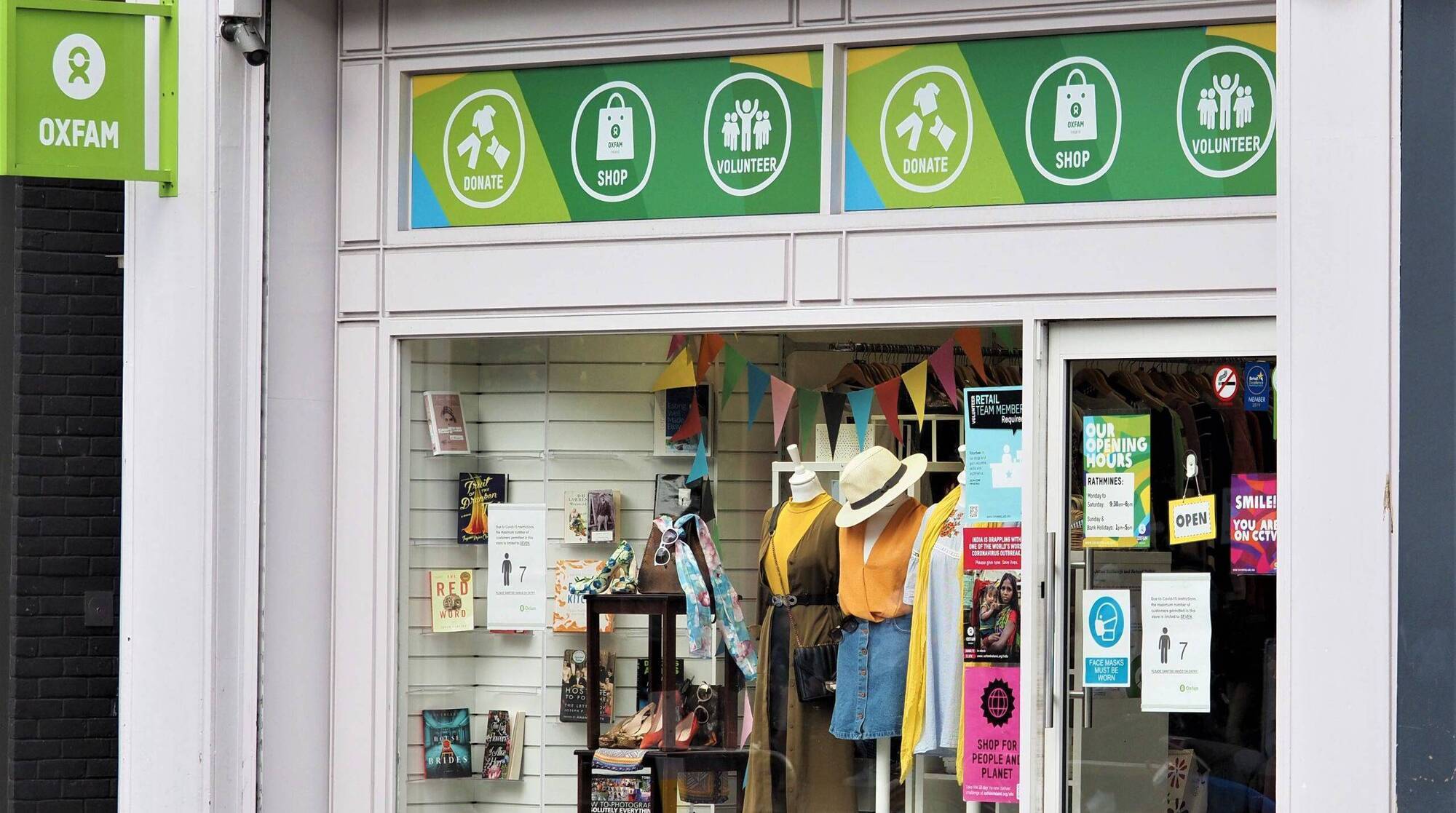
Economic pressures and value-driven consumption are core to the second-hand surge, writes sustainability strategist Pat Kane
Value, not sustainability, is driving the second-hand fashion boom

What was once exclusive to charity shops is now big business.

The global fashion landscape is changing. What was once exclusive to charity shops is now big business: resale platforms like eBay, Vinted, and Depop captured 88% of total resale spending in 2024, signalling not just growth, but dominance in how consumers engage with fashion.

While environmental narratives commonly frame the rise of second-hand fashion, the reality is that sustainability is often not the primary motivator. Instead, the market is propelled by value, access to unique items, technology, and cultural shifts in how people think about personal style.


Economic pressures and value-driven consumption are core to the second-hand surge. In an era of rising living costs, price matters. Second-hand fashion’s strongest selling point is its appeal to value-seeking shoppers. 

Consumers have shown that affordability is the top reason people choose pre-owned clothing, often outweighing environmental motives. A Statista survey commissioned by UK charity retailer Traid found that 63% of consumers cited ‘affordability’ as their primary reason for buying second-hand.

This emphasis on price makes sense. Second-hand garments typically cost far less than new equivalents and often boast perceived advantages that fast fashion cannot match. When budgets are squeezed by economic uncertainty, consumers gravitate toward resale options as a means of stretching income without sacrificing style.

In this context, the narrative that sustainability alone is driving change starts to feel more like good PR than a reflection of actual behaviour — as much as it hurts me to say so.

Access

Closely related to price is access. The resale market excels at unlocking items that are otherwise expensive, or rare. 

This is especially true in the luxury sector. Resale is growing up to three times faster than the traditional luxury market, with projections pointing toward billions in value by the end of the decade. 

For many, buying second-hand is not about saving the planet; it’s about getting valuable items at better prices. Period.

Technology

Technology has also enabled this shift. Online resale marketplaces make it easy to buy and sell pre-owned items. 

Features like search filters, quality grading, and authentication services give consumers confidence that wasn’t present a decade ago. 

AI and mobile optimised interfaces power personalised recommendations, transforming the resale experience from messy racks to curated feeds. 

The convenience of digital shopping expands access far beyond urban charity shoppers — now global, digitally native consumers participate in second-hand fashion.

Culture

Cultural shifts are significant.

Fashion has always been a means of self-expression, and resale amplifies this by offering items with personality and history that mass-produced collections lack.

Younger generations, particularly Gen Z and Millennials, are driving this cultural change. Research from PwC shows that 40% of Gen Z and 28% of Millennials have already bought second-hand fashion, compared to much lower percentages in older age groups.

Resale platforms operate like social communities where discovery, storytelling, and personal curation matter as much as price. In this environment, fashion becomes a form of expression that is dynamic, circular, and embedded in digital culture.

Real voices from the industry affirm this perspective. Ella Guzman, founder of Siopaella, captures the prevailing sentiment: “Second-hand is mostly driven by cost. If I’m selling an item from Zara and it’s not much cheaper than it is currently at Zara then people will buy new. 

"I have a small percentage of clients who will shop second-hand based on sustainability and the Government needs to step in to make it more affordable, such as eliminating the VAT on second-hand goods. Even though the way we shop has changed to digital first, it is more important than ever for retailers to deliver a high level of customer service, digitally and instore. 

Pat Kane: 'Sustainability may be a big reason for some consumers to buy second-hand, but for most, it is value, access, convenience, and cultural identity that really make the difference.'

"We see customers being unsatisfied with the quality of second-hand items that they receive from online retailers who don’t fully disclose condition ratings correctly.” 

Ella’s views reinforce the reality that cost, quality transparency, and service — not sustainability alone — are pivotal to consumer choices.

But sustainability undeniably plays a role in how second-hand fashion is marketed. Extending garment lifespans and reducing resource consumption are environmental benefits when items stay in circulation longer. 

Reframing the narrative

However, research shows sustainability rarely emerges as the primary driver for buyers. Folks talk about sustainability, yet simultaneously maintain substantial purchases of new clothing, suggesting resale often supplements rather than replaces new.

This creates a paradox where sustainability narratives resonate in conversation but usually take a back seat to practical considerations in actual purchasing behaviour. Brands are aware of these dynamics. 

Far from embracing resale solely to champion sustainability, many are integrating second-hand into their business models because it makes strategic sense. Resale keeps customers within a brand ecosystem, fosters loyalty, and generates additional revenue streams. 

It also offers valuable data on secondary markets. This strategic adoption highlights that resale is not only good for the planet: it’s good business!

In reframing the narrative around second-hand fashion, it becomes clear that the market’s explosive growth is not driven primarily by a collective mission to save the environment. Instead, it is a product of economic necessity, technological enablement, cultural evolution, and business strategy.

Sustainability may be an important part of the conversation, and for some consumers it’s a meaningful factor. But for most, the biggest incentives — value, access, convenience, and cultural identity — are what truly move the needle.

  • Pat Kane is a sustainability strategist and founder of reuzi

CLIMATE & SUSTAINABILITY HUB

More in this section

Revoiced

Newsletter

Sign up to the best reads of the week from irishexaminer.com selected just for you.

Cookie Policy Privacy Policy Brand Safety FAQ Help Contact Us Terms and Conditions

© Examiner Echo Group Limited