It is time for Europe and the UK to take a stand against Trump
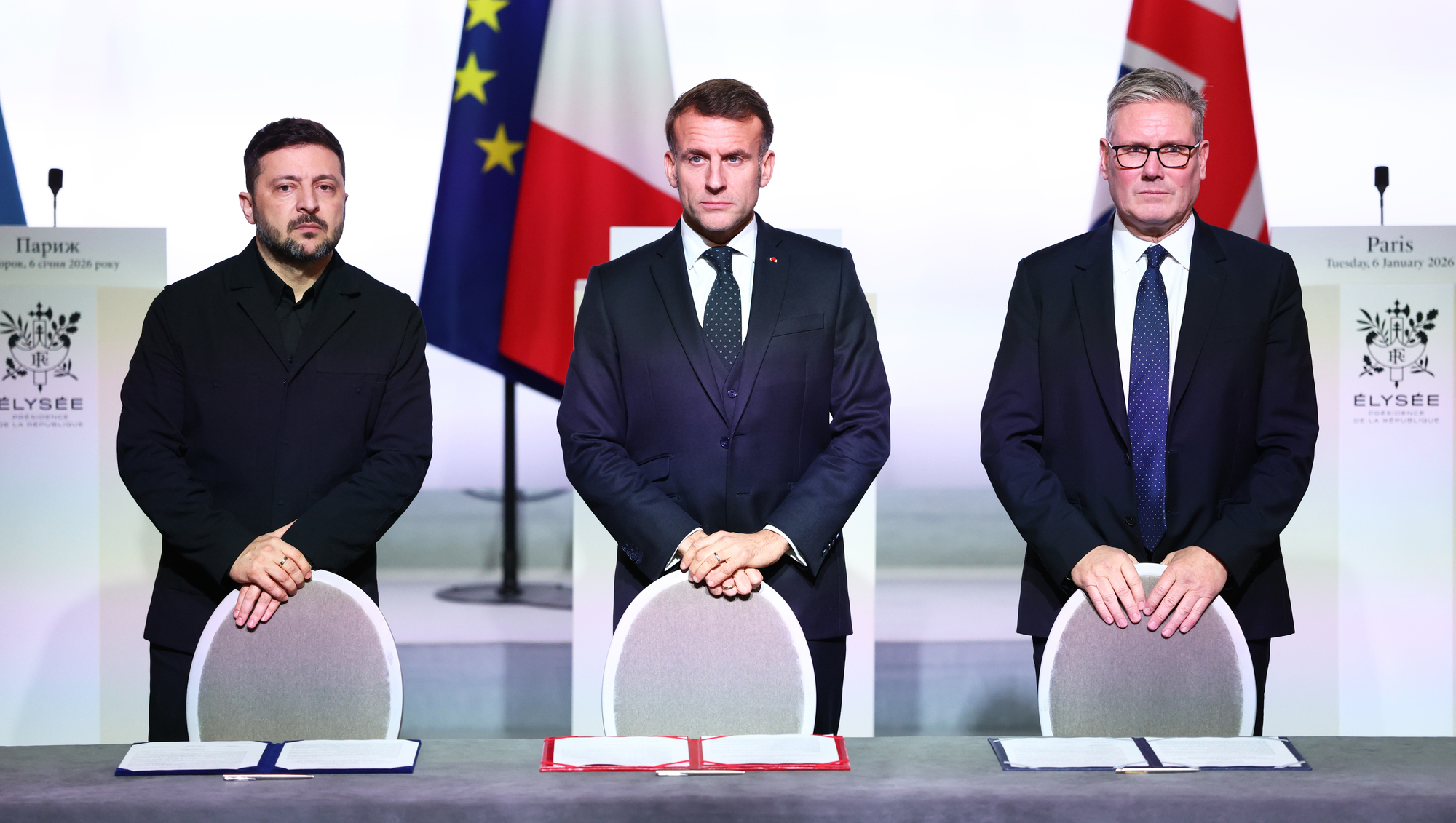
(Left to right) Ukrainian president Volodymyr Zelensky, French president Emmanuel Macron and British prime minister Keir Starmer following a meeting with members of the Coalition of the Willing, the countries prepared to offer support to Ukraine as efforts continued to find a peace deal to end the war with Vladimir Putin's Russia. File picture
In 1960, Edward Shackleton, son of the Anglo-Irish polar explorer, a decorated former pilot and Labour politician, complained that Britain had given up any pretence to think or act for itself when it came to defence.
A cash-strapped Conservative government no longer wished to invest in an independent nuclear deterrent but would rely upon the United States to supply the UK with missile technology.
“We are in a serious position, if we are no longer independent. It is true that we shall have to rely on the Americans to help us out of our difficulties and, with the best will in the world, they may let us down”, Shackleton warned.
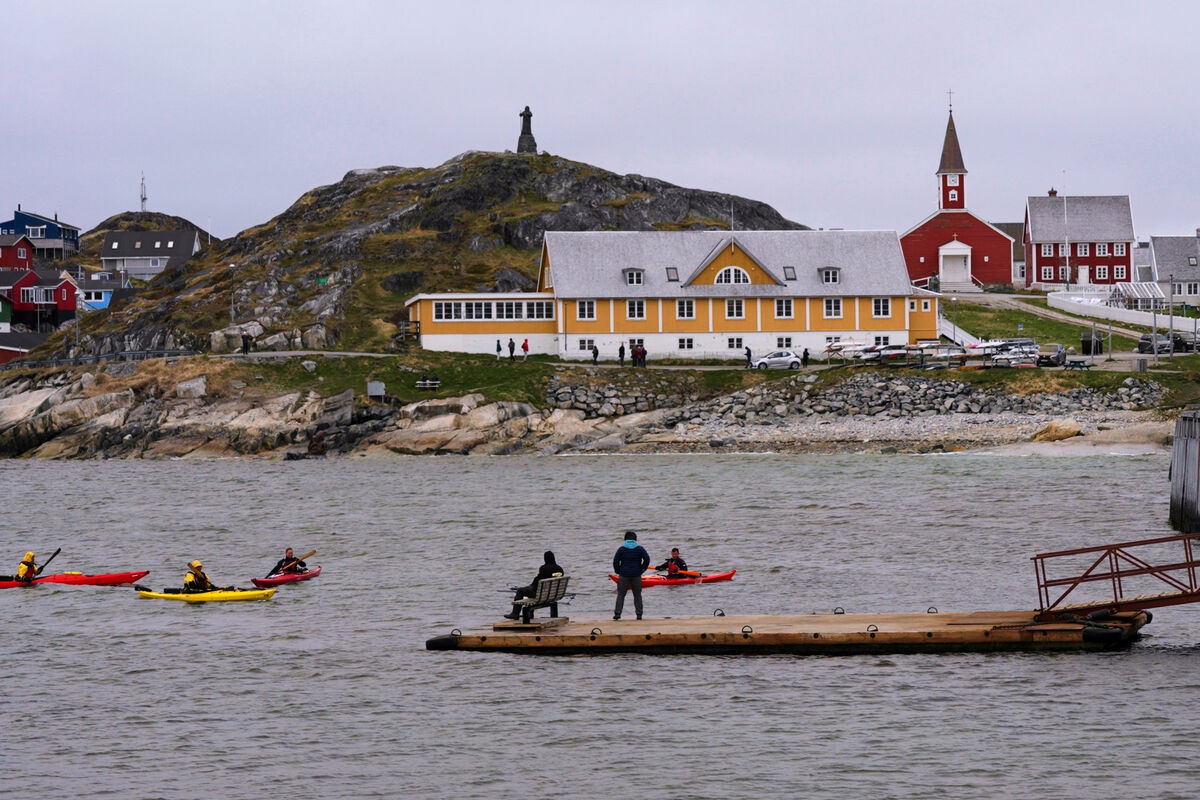
More than six decades later, the UK is one of a group of European countries advocating a European-led Nato mission to Greenland, ostensibly to address rising security concerns in the Arctic, but also to deter any future hostile US military action to seize the country from Denmark.
Almost nobody in 1960, including Shackleton, envisaged the potential for armed conflict between Nato member states. Rather than acting with ‘the best will of the world’, president Donald Trump has proved to be a faithless member of the transatlantic alliance.
Instead of championing support for Ukraine and Nato to suppress Russian aggression, he sees Europe’s vulnerabilities as an opportunity to extract rent and land. Anger in the UK at such a betrayal of trust is justified.
There are thousands of relatives and friends who mourn British servicemen and women killed in Afghanistan and Iraq during the US-led ‘war on terror’. The UK also hosts many military and intelligence bases that extend US global power and influence.
Yet there is a resignation in British policy circles, a sense that there is no alternative to further attempts to placate Trump, if necessary by sycophancy.
Chief among British ‘Trump-whisperers’, Peter Mandelson, recently praised Donald Trump’s "graciousness", a presidential characteristic that even many Trump loyalists in Washington would fail to recognise.
Mr Mandelson, a former EU commissioner, had nothing to say in defence of another former commissioner, Thierry Breton, who the Trump administration placed on a sanctions list for his involvement in implementing the EU’s Digital Security Act which aimed at regulating illegal or harmful online content.
Despite his scandalous friendship with the paedophile Jeffrey Epstein (which ended his ambassadorship in Washington), much has been made of Mandelson’s ability — and that of the British government — to maintain good relations with Trump. London has appealed to Trump’s great loves — gilded interiors and television — by successively dangling lavish banquets with the British royal family as an incentive for maintaining the ‘special relationship’.
But what has British prime minister Keir Starmer gained? His government can point to lower tariffs for UK goods entering the US market compared to the EU.
Also, despite Trump’s threats to remove communications, targeting and intelligence support from the Ukrainian military, that assistance remains in place — even if European states have had to significantly increase their proportion of overall funding of Ukraine compared to that previously committed by president Biden.
Strategically, Britain is in a bind. Britain’s defence community has no experience, and little appetite, to imagine what a radically reduced UK strategic dependence on Washington might look like.
Encouraging steps towards European defence co-operation were abruptly interrupted in December when the EU imposed an exorbitant entry fee, including payments to EU-funded programmes that the UK itself could not access, for London to join the EU-led Security Action For Europe defence industry initiative.
This was not the time for further Brexit punishment; indeed, the debacle raises questions about whether Europe can ever achieve a much greater degree of strategic autonomy and power in a rapidly disordered and threatening world.

The announcement last week by the British government of a new defence partnership with Trump ally, Peter Thiel’s Palantir, for "data analytics capabilities supporting critical strategic, tactical and live operational decision making" was therefore unsurprising.
Rather than attempting a dramatic strategic rebalancing of UK foreign policy and defence capabilities, the Starmer government has its fingers crossed that Trump is bluffing and that transatlantic relations will stabilise in the coming months.
Starmer has often been slow to respond to repeated, vicious attacks on London’s lord mayor Sadiq Khan by president Trump and vice president JD Vance, their false or exaggerated criticism of the curtailment of free speech, claims about the prevalence of crime in Britain, and their repeated support for Nigel Farage’s Reform Party.
The Irish government, too, has been careful not to directly criticise president Trump. Last year Taoiseach Micheál Martin declined to muster any defence of the EU after Trump repeatedly attacked Brussels during the White House St Patrick’s Day ceremony.
The problem for European leaders who duck Trump’s punches is that the edifice behind them is beginning to crack. Trump has repeatedly claimed that the EU was designed to ‘screw’ the US and has made clear his contempt for the European Commission and the single market.
It is no accident that Trump and Vance have consistently offered their support to far-right political movements, like Alternative für Deutschland and Rassemblement national, who are most determined to destroy the power of the EU. These are Trump’s "political allies in Europe", referred to in the recently published US National Security Strategy.
However, the same document also reveals the US’s greatest vulnerability — namely, that transatlantic trade is indispensable to the US economy. In an election year, when tariffs are linked to concerns about increased costs for US households, Trump can ill-afford an escalation in his trade dispute with Europe.
The outcome of US congressional elections may yet hobble Trump’s wilder foreign policy ambitions. European leaders have understandably been trying to buy time.
But instead of ceding to Trump’s threats, EU governments should double down on digital sovereignty and moves to reduce reliance on Washington for defence, including by advancing the EU-UK defence relationship. Now is the time to stand up for Europe.
- Edward Burke is assistant professor in the History of War at UCD

CONNECT WITH US TODAY



Be the first to know the latest news and updates