Women's voices are being silenced on social media — here's what I'm doing about it
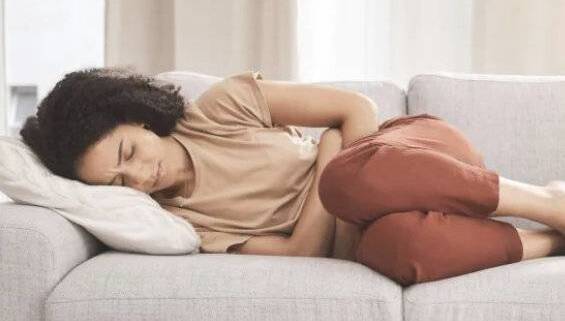
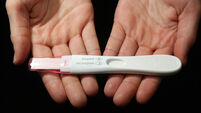
Women owning the converation around their own health is critical if we are to close the gender health gap: the average endometriosis diagnosis time in Ireland is nine years. File picture
Some things are so present in our lives we forget to question them.
Like the adverts we see, the way we’re marketed to, the dominance of certain brands over others, how we use our phones, what we see on social media… things that make up the backdrop of our lives.

But what happens when we question these things? Are they fair? Could they be done better?
For me, social media certainly could be. I run the UK-based campaign, CensHERship, which tackles digital suppression of women’s health content, and the underlying silencing of women’s voices.
Digital suppression and social media censorship takes many forms: removal of posts, shadow-banning, lowering content in feed, deletion of entire accounts. It happens across both organic and paid (advertising) content.
I wrote a book on sexual wellbeing in motherhood and I champion postnatal and menopause support. My social media content is supportive and signposts to medically-accurate resources.
I became aware of digital suppression when I experienced censorship and restriction of my own benign posts, sometimes with no notification. So for me, the problem is obvious.
But the trouble is, if you are used to not hearing women’s voices on your social media feed, or only seeing erectile dysfunction ads rather than ones to help menopause or vaginal dryness; this is what becomes the norm.
At CensHERship, we’re here to point out this unique and daily form of unfairness, and more importantly, why it matters.
Our flagship white paper, 'Censorship Revealed', highlights that 95% of women’s health creators have experienced social media censorship on Instagram, Facebook, TikTok and others. Nearly four in 10 have experienced censorship more than 10 times in the last year.
Equally shocking is that 53% of respondents who now self-censor, either avoiding women's health as a topic at all or severely restricting the way they talk about it.
Why does this matter?
Some 85% of women in the UK have felt dismissed by a healthcare professional in their lives, according to British government data, and over 75% of young people turn to social media for health information (May 2025 survey by Essity & CensHERship).
In other words, women struggle to get help from medical professionals, and increasingly we’re turning to the internet and social media for health advice. So it’s vitally important the information we’re looking for is there, and also of good quality.
Our case studies have had content on breast cancer, periods, menopause, sexual health and wellbeing, vaginal dryness, pregnancy and female hormones censored. These are not niche issues: one in three women will get breast cancer, all women have periods and will go through the menopause, due to female hormones.
These should not be taboo topics. Yet we are being made to feel like they are.
Leading gynaecological cancer charity The Eve Appeal witnessed its ‘cervical cancer’ hashtag banned on Instagram — making it nearly impossible for the topic to be found in a search.
Medical educator Dr Aziza Sesay often resorts to using a knitted vulva model in her content to highlight gynaecological conditions, in order to be able to accurately describe symptoms and not be censored.
Censorship means women are not being allowed to own the conversation around their own health and bodies. This is critical if we want to close the widening gender health gap and end the tyranny of painful years-delayed diagnoses: the average endometriosis diagnosis time in Ireland is nine years.
Censorship leads to shame and ignorance about women's health issues, leading to significant ramifications for the way in which we view and treat them.
Blocking content also means women are not able to find products and services that might help manage their conditions and pain. Small femtech businesses are innovating world-changing solutions for women’s health, but without the ability to grow or market their products, they are much less likely to succeed, reducing the number of women they’re able to help.
Female-founded women’s health brand Hanx has about 30% of its digital ads rejected, wasting time and money trying to correct this. Pregnancy pillow company Bella Moon was told by Meta to scrub the word pregnancy from its entire website, yet is still unable to advertise properly.
So what should we do? CensHERship is pushing for change. We want to see engagement by social media platforms with this issue, and we invite them to discuss it with us. We want government to change policy to put pressure on platforms to make change.
We want to be able to properly report issues with regulators, and we want timely responses and dialogue with the EU via the Digital Services Act (the EU framework for ensuring equality of access across very large online platforms).
For femtech companies, medical educators and health champions, censorship is the difference between success and failure. And when censorship ultimately impacts your health, this isn’t something we’ll keep quiet about.
- Clio Wood is co-founder and chief executive of CensHERship
- Follow Instagram.com/censhershipcampaignofficial