The education system can't cope with the reality of young people's digital lives
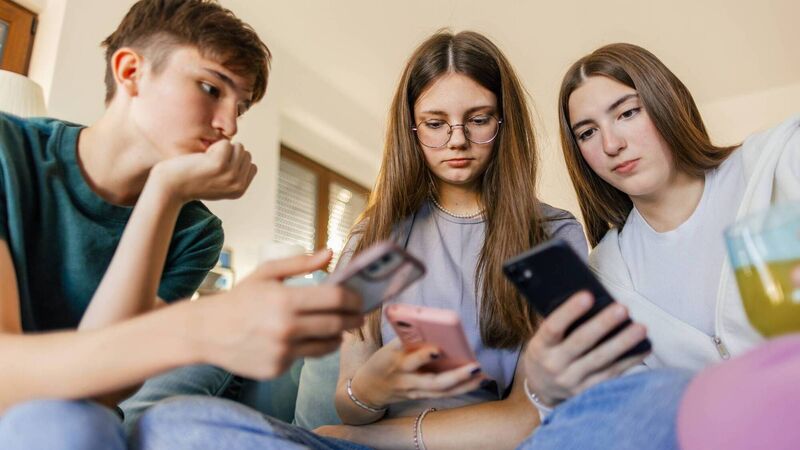
Online spaces are complex, influential and potentially dangerous — but the education system still treats tech like an optional extra
The education system can't cope with the reality of young people's digital lives

Across the country, students are facing online harassment, extreme comparison culture, targeted algorithms, and exposure to violent or disturbing material — often long before they have the maturity or tools to process it. 

As a young person living in Ireland today, I can say with certainty that our schools are not preparing us for the digital world we actually live in. Every day, students are navigating online spaces that are complex, influential, and sometimes dangerous — yet our education system still behaves as if technology is an optional extra rather than the environment young people spend most of their time in. 

While classrooms continue to focus on maths, history, and science, we are left without the essential digital skills we urgently need: how to protect our mental health online, how to identify misinformation, how to respond to cyberbullying, and how to stay safe from harmful or disturbing content.


This gap between the reality young people face and what schools teach is widening every year. The internet moves fast. Social media moves even faster. But our curriculum has barely moved at all.

The consequences are real. Across the country, students are facing online harassment, extreme comparison culture, targeted algorithms, and exposure to violent or disturbing material — often long before they have the maturity or tools to process it. 

Teachers genuinely want to help, but very few have received any training in digital wellbeing or online safety. Many are left trying to solve problems they were never prepared for, while students are left to fend for themselves in a digital landscape that is powerful, persuasive, and often overwhelming.

In my own life, I’ve seen the impact this lack of guidance can have. I’ve watched friends spiral into unhealthy comparison cycles, measuring themselves against influencers and 20-year-olds who have spent upwards of €100,000 on cosmetic surgery. 

This is not an exaggeration; it is the reality of what young people see every day on social media. When you are shown these images repeatedly, without context or education about body modification, filters, or digital manipulation, it becomes almost impossible not to internalise toxic standards.

This isn’t just anecdotal evidence. The data is alarming. In 2022, the Health Research Board recorded a 121% increase in hospital admissions for eating disorders. This dramatic rise cannot be separated from the influence of unregulated, algorithm-driven social media platforms that promote unrealistic beauty standards and amplify harmful content. 

Studies worldwide link heavy social media use with anxiety, depression, eating disorders, and declining self-esteem. Yet Irish schools rarely discuss this impact in any meaningful way.

When I testified before the Oireachtas earlier this year, this issue was raised directly. During the session, one TD highlighted research showing tech companies using AI-based algorithms — particularly TikTok — were seeing a huge surge of anorexia and eating-disorder content appearing on the For You Pages of teenage girls. 

Fionn McWeeney: 'If our lawmakers can clearly see the dangers of AI-driven content shaping the mental health of young people, why does our education system still fail to equip students with the skills to understand, question, and protect themselves from these forces?'

The TD pointed out that even when young people did not search for this material, AI systems could still push them towards extreme dieting videos, “thinspiration” posts, and harmful trends because the algorithm had detected vulnerability or engagement patterns.

If our lawmakers can clearly see the dangers of AI-driven content shaping the mental health of young people, why does our education system still fail to equip students with the skills to understand, question, and protect themselves from these forces?

This disconnect speaks to a bigger truth: Ireland’s second-level education system is struggling to keep pace with the digital age. And that failure is not just a personal issue for students — it is a national issue that affects our future workforce, our democracy, and our social wellbeing. With 425,000 young people in post-primary education, the scale of this problem is impossible to ignore.

The irony is that Ireland is a global technology hub. Thirteen per cent of our national economy comes from the technology sector, employing more than 106,000 people. In fact, proportionally, Ireland’s tech sector is larger than that of the United States, where it makes up just 10% of the economy. 

For a country so heavily invested in digital innovation, we invest remarkably little in teaching young people how to navigate digital life safely, critically, and responsibly.

How can we prepare the workforce of the future if we are not even preparing students to recognise a manipulated image, a deepfake video, or a piece of misinformation? How can we claim to prioritise mental health while ignoring one of the biggest factors affecting it? How can we accept a curriculum that treats digital literacy as a footnote, when for young people, it is a fundamental part of daily life?

The point is clear: our current system is outdated, disconnected from the challenges of the digital era, and wholly unprepared to equip students with the skills they actually need. If we do not confront this failure now, we risk leaving an entire generation vulnerable, unprotected, and unprepared for the world they already live in.

So what needs to change?

First, digital literacy must be integrated into education from primary school onward. Not simply teaching children how to use technology, but helping them understand how digital environments shape behaviour, influence beliefs, and impact wellbeing. Young people must learn how to evaluate sources, recognise persuasive algorithms, question what they see, and protect their mental health.

Second, teachers must be given proper training. We cannot expect them to solve online problems without the knowledge, tools, or support. A national investment in teacher development is essential if we want meaningful change.

Third, tech companies must be held accountable. They design the platforms that shape young people’s lives, yet operate with minimal oversight. Regulation, transparency, and responsibility must be non-negotiable.

Finally, we must acknowledge that digital wellbeing is not an optional topic — it is a core life skill.

This crisis will not solve itself. Ignoring it only deepens the damage.

It is time for Ireland to step up. As young people, we are ready to take responsibility for our digital lives — but we need the knowledge, support, and resources to do so. Let’s build an education system that reflects the world we live in, not the world of decades past. Let’s make digital literacy a priority, not a footnote.

  • Fionn McWeeney is a 15-year-old student from Co Leitrim. He is a farmer and national youth activist

x

More in this section

Revoiced

Newsletter

Sign up to the best reads of the week from irishexaminer.com selected just for you.

Cookie Policy Privacy Policy Brand Safety FAQ Help Contact Us Terms and Conditions

© Examiner Echo Group Limited