Why we are finding new meaning in the winter solstice
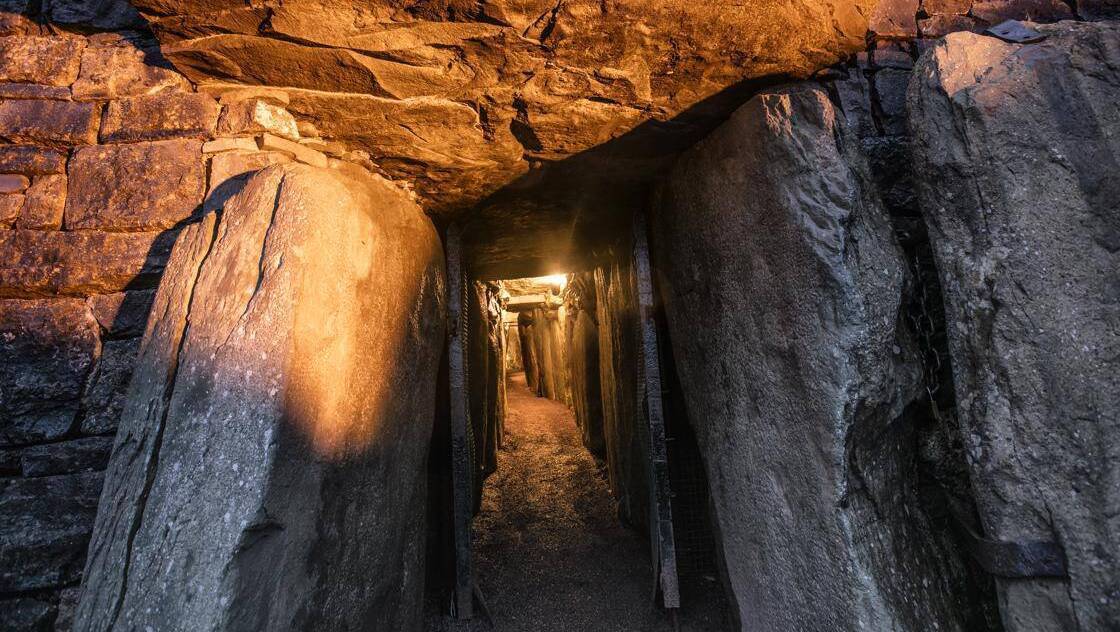
Winter solstice at Newgrange offers a spectacular reminder of the mystical, of cosmic cycles, of the human connection with earth and sky, of spirit in nature, of love of the land and connection with ancestors.
Winter solstice is a time of celebration, as the rising sun brings a joyful reminder of the return of light and the beginning of the end of the deep darkness of winter. It has been celebrated for thousands of years and has been of deep significance, as the monument of Newgrange demonstrates.
Yet as Christmas approaches each year, it is striking how many people feel disconnected from what that holiday once meant.
While the celebration of Christmas is important and meaningful for many, it is also the case that for some, it has become disconnected from its own roots in Christianity and has become increasingly secularised and commercialised.
Furthermore, its association in Ireland with the abuses and oppressions of the Catholic Church has meant some people reject the religious dimension. And the worldview of Catholicism can sometimes seem separated from nature and even antithetical to nature-based spiritualities.
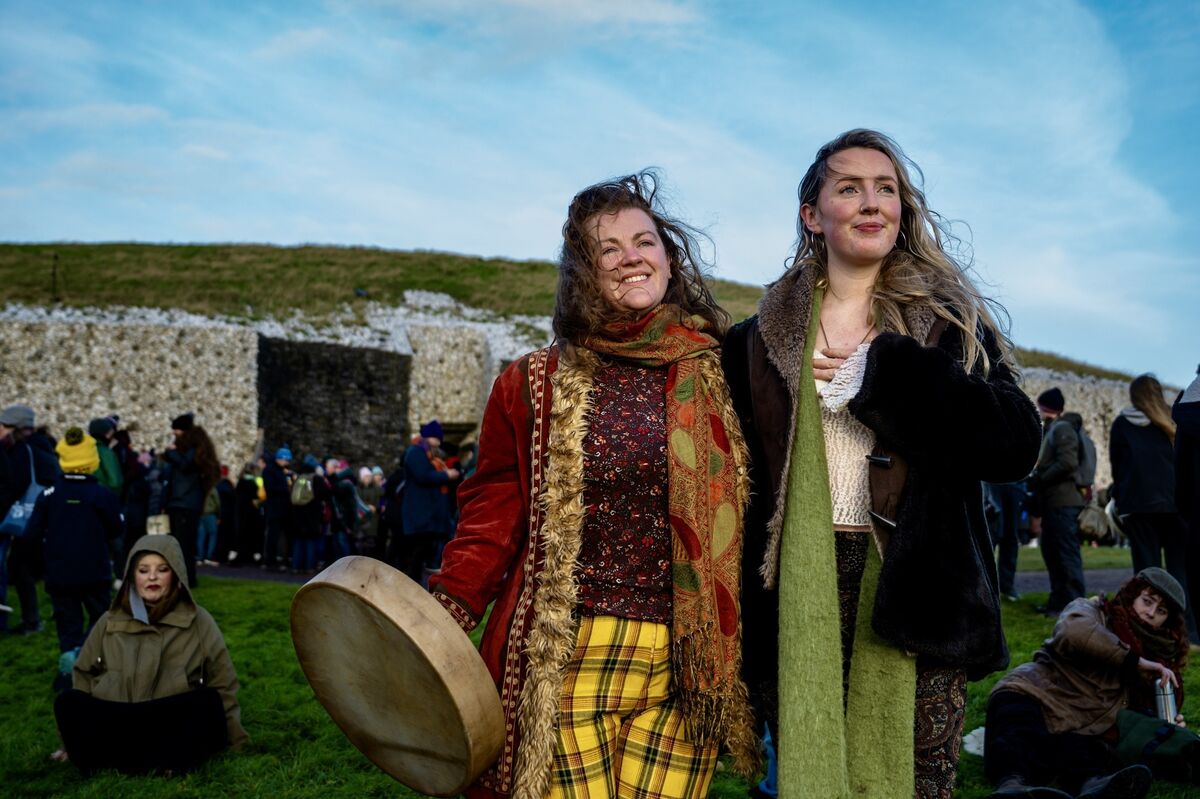
In contrast, winter solstice at Newgrange offers a spectacular reminder of the mystical, of cosmic cycles, of the human connection with earth and sky, of spirit in nature, of love of the land and connection with ancestors.
These are the elements of nature-based spiritual practices, a manifestation of the call by the late Manchán Magan to "listen to the land speak."
And people are listening. Winter solstice is celebrated not just at Newgrange but at other sites, like Knockroe in Kilkenny, that are aligned with winter solstice, as well as in gatherings around the country both indoors and outdoors.
At Newgrange, people gather to meet each other, dance, light candles, sing, tell stories and give thanks at the joyful moment of sunrise. Even if the sky is overcast, there is still a collective moment of celebration. And the lottery winners who are able to be in the chamber at actual sunrise, regardless of the weather, almost all report having an awe-inspiring experience.
Celebrations of winter solstice can range from the purely secular to the mystical and spiritual. At a practical level, for as long as we know, our ancestors have celebrated winter solstice both here in Ireland and across the northern hemisphere.
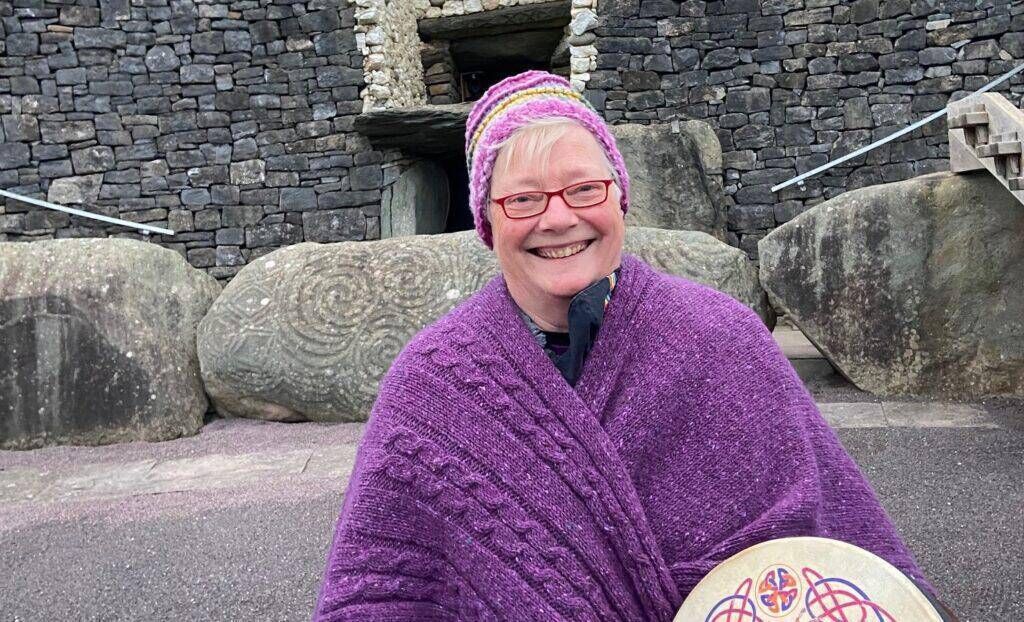
It marks both the depth of winter and a significant moment in the seasonal shift from winter to summer. It is the shortest day of the year, when sunrise and sunset are closest together. After winter solstice, the days will begin to get longer, by a few minutes at first, until we reach the longest day of the year, summer solstice, which is also a day of celebration.
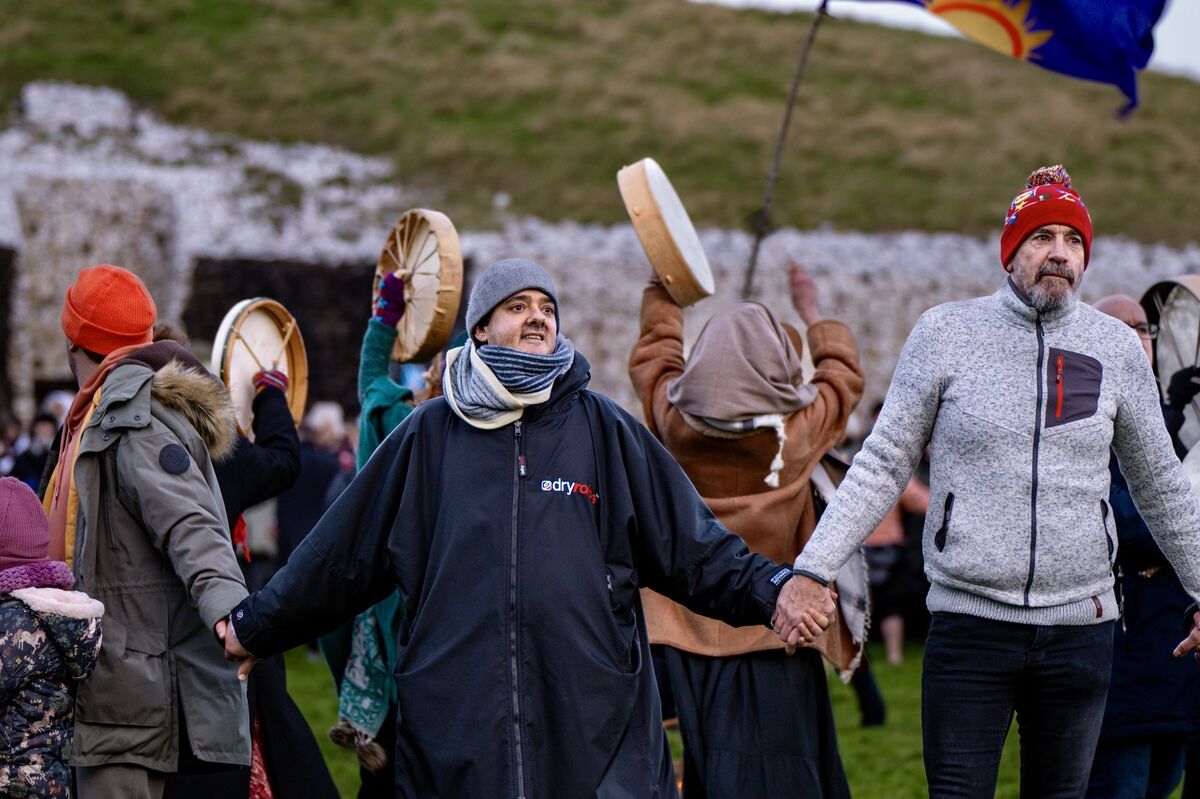
Many with an atheist or secular orientation find joy in this seasonal cycle and take mid-winter as a time to appreciate the stillness and quiet of nature, and to look forward to the brightening days.
Anyone who sees spirit in nature or believes in the hand of God (or gods and goddesses) can marvel at this manifestation of the movement of heavenly cycles and give thanks for its continuity. Those with a more mystical orientation can be awestruck by the power of this turning of the year.
Whatever our belief system, we can celebrate winter solstice and, if we wish, find spiritual meaning in this event. Certainly, our ancestors were deeply connected with this time, as Newgrange, a monument that was built more than 5,000 years ago, demonstrates.
It is a magnificent monument and unique globally by virtue of its age, size and orientation to the rising sun so on the morning of winter solstice, the rays of the rising sun glide up a long passageway and illuminate the inner chamber.
Beautiful artwork adorns many of the huge boulders that line the inner passage, the chamber and roof, and the outer circle at its base. Additionally, it is covered in white quartz which confers a glimmer that often reflects the warm glow of sunlight.
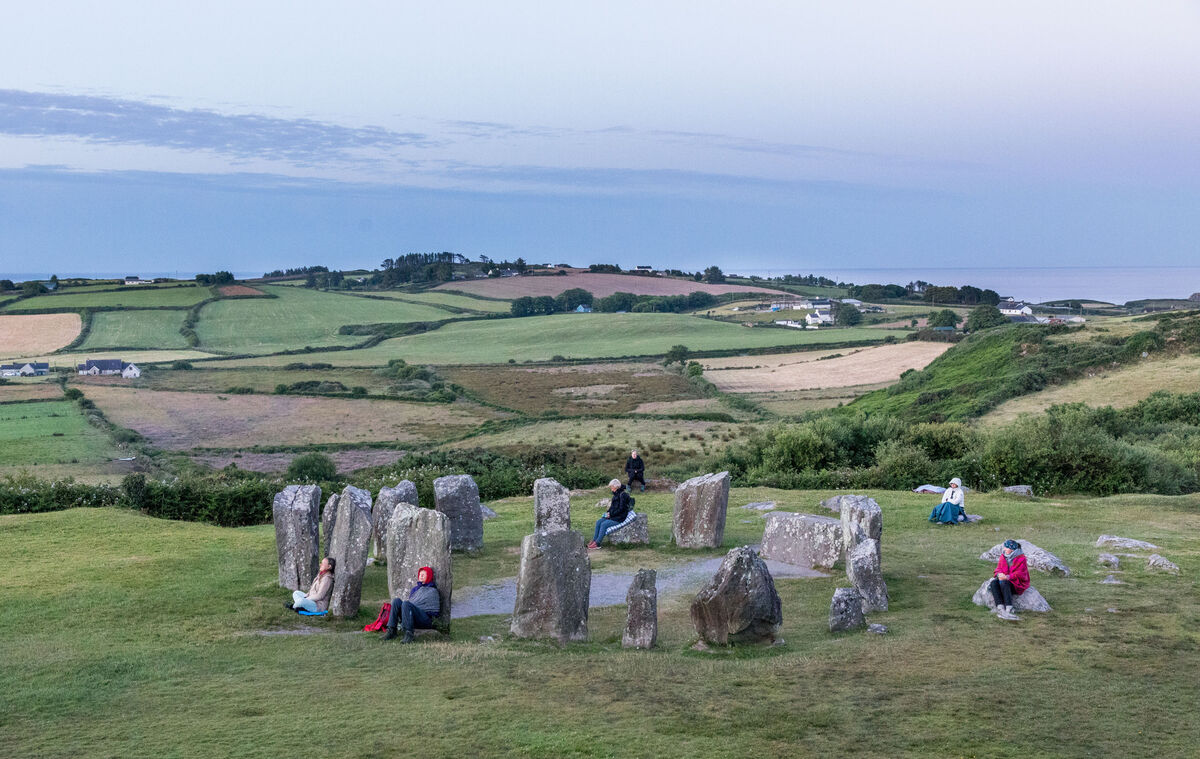
It stands on a hill overlooking the Boyne, and in front is a large area that offers a space for gathering and celebrating the solstice.
The more we learn about Newgrange, the more we can appreciate its complexity and ingenuity. When it was first excavated, human remains were found in the interior and it was seen mainly as a tomb.
But in just the last 10 years, new discoveries include several cairns, a cursus, remains of a huge wooden circle, and lots of evidence of gathering and feasting. Now we can see Newgrange as both a tomb and a womb, a monument to the cycle of life, a congregational site where people gathered to celebrate both life and death.
In a world that often feels unanchored, the solstice invites us back to the simplest truth: that the light always returns and connects us with our ancestors and each other, resulting in a sense of collective belonging.
- Ger Moane is a psychologist, writer, and shamanic practitioner who taught psychology and human development at University College Dublin, focusing on gender, sexuality, and LGBTQ+ issues. Her first novel, , is inspired by the myths of ancient Ireland

CONNECT WITH US TODAY



Be the first to know the latest news and updates