My childhood friends died young because of poverty — we can break that cycle
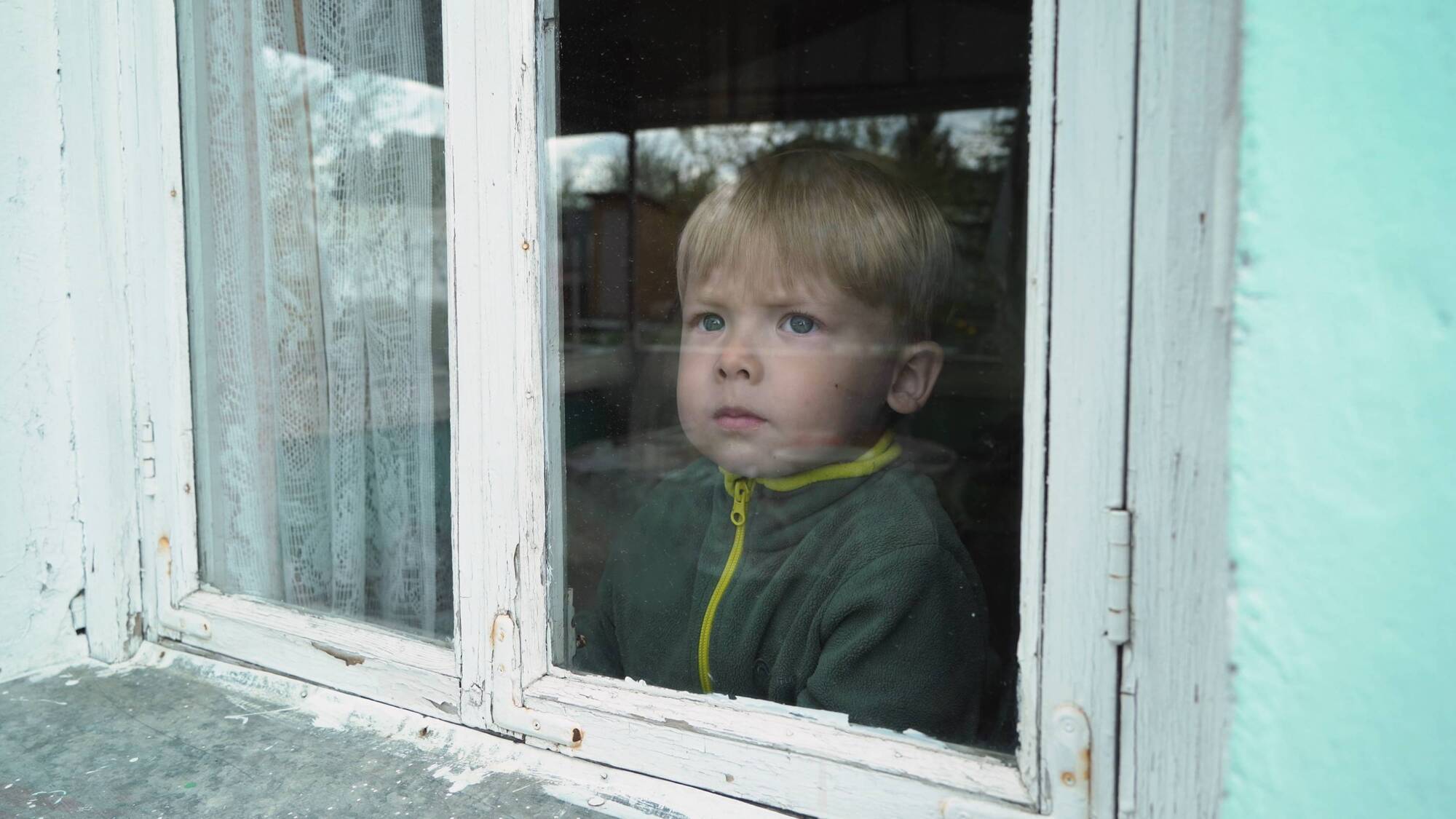
Children living in poverty are twice as likely to be hospitalised as their peers. Those living in inappropriate accommodation are twice as likely to be referred to the public health nurse service.
I grew up in a time where children would spend most of their day playing outside. On a street where children had to entertain themselves because there was very little going on by way of public, community spaces or facilities.
We did not have many green pitches and there was a broken playground. But we did have terraced houses, cul-de-sacs and a space to play because of fewer cars. We’d spend much of the day outdoors and spent hours playing any game our imagination dreamed up. And we were all encouraged to.
Echoes of our parents saying: Is fearr an tsláinte ná na táinte — Health is better than wealth.
Ultimately, that is what all of us want, isn’t it? A healthy and happy life. We want that for our kids. For our family, for our friends, for our community.
The reality, however, is that there are so many factors beyond our control as children that can decide how healthy and happy that life will be. I am mindful as I reach 50 that many of the children I grew up with are no longer with us. That is a consequence of poverty.
Children living in poverty are twice as likely to be hospitalised than their peers. That is a consequence of poverty.
At the Children's Rights Alliance's recent Breaking the Cycle conference, we heard from the director of Public Health Nurses, who spoke about an audit carried out in Dublin North and West of child health records.
The audit revealed children living in inappropriate accommodation — homeless, emergency accommodation or direct provision, were twice as likely to be referred to the public health nurse service, and four times more likely to be referred for social and emotional supports.
While we may all want to buy into that old proverb of your health being your most valuable asset, the systemic inequalities weaved into the fabric of our society are telling a very different story.
None of us want to live in a country where a person’s wealth determines their health or healthcare. Where does that leave children growing up in lower-income families, or in communities battling against a relentless cycle of poverty and disadvantage? Research shows that it will leave them sicker and their lives shorter.
We cannot accept that the children who need healthcare supports and intervention the most will be the least likely to access it.
Our healthcare system needs to respond. We need to ensure our approach to healthcare is one that adequately addresses the impact of poverty and ensures timely, free, localised interventions at the point a child needs them. But we can also demand a healthcare system that actively works to level the playing field for children and families.
This week, Professor Michael Marmot visited Ireland to discuss how Ireland can make this happen.
Marmot’s groundbreaking research propelled him to the forefront of health research and policy, with a seminal report showing a link between people’s life expectancy and their social status.
Since then, the evidence bank of the connection between social determinants and health has continued to grow. His research lifts the lid on the inequity that has persisted in the UK following a decade of austerity.
It is a cautionary tale for us in Ireland.
The answer is not as simple as the provision of public healthcare. Marmot Places are doing something different. Marmot Places are a collaboration between local authorities in the UK and University College London’s Institute of Health Equity.
They embed a social determinant-led approach to health, guided by principles known as the ‘Marmot Eight’. These principles seek to ensure a healthy standard of living for all, giving every child the best start in life. They also look at factors like racism and discrimination, the importance of fair employment opportunities, and strengthening early intervention practices.
My job has given me new perspectives on my own experiences growing up. It also constantly reminds me that while there have been incredible advancements in healthcare and improvements in health policy and implementation, the system is far from perfect.
We have some of the best workforce talent and the brightest minds in Ireland. It is absolutely in our ability to develop and deliver the best healthcare to children. Developing a child- health workforce/approach guided by the principles Marmot outlines, would help ensure our healthcare system better meets the needs of all people, but particularly those who need it the most.
This long-term vision can be put in motion by looking at embedding health equity at a local level. Public health nurses could play a pivotal role in this. These frontline workers are the first interaction a baby has with the healthcare system.
They are not only essential in ensuring babies have access to healthcare supports, but they are also the eyes and ears on the ground that can spot when other treatments or interventions are needed. They are the helping hand when a mother needs just a bit more care and support to access services in their community.
I can’t help but think that if my peers and I grew up in a ‘Marmot Place’ — where health equity was embedded at a local level — I would not be the only one here watching their children grow up.
- Tanya Ward is chief executive of the Children's Rights Alliance

CONNECT WITH US TODAY



Be the first to know the latest news and updates