Where are the riots when white Irish men attack?
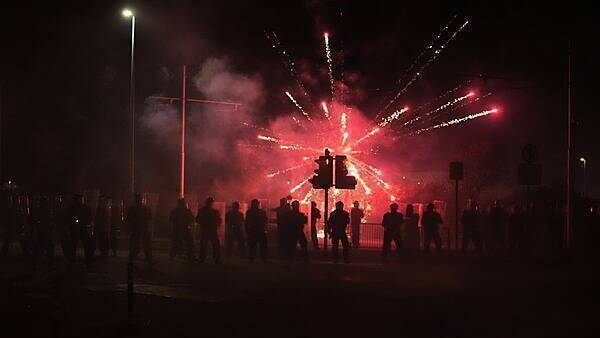
Some of the unrest at Citywest recently. The mob threw bottles, stones, and fireworks, resulting in the hospitalisation of three gardaí. File photo
On Monday, October 20, it was alleged that a 10-year-old girl was sexually assaulted by a man in Citywest. Keyboard warriors went to work and organised a protest to be held, at 7pm on Monday in that part of Dublin.
By Tuesday, that reaction had turned riotous. It is reported that more than 2,000 people assembled outside the Citywest hotel, which houses refugees and asylum seekers. The mob threw bottles, stones, and fireworks, resulting in the hospitalisation of three gardaí.
As we know, hundreds of people are sexually assaulted in Ireland every day; the overwhelming majority of whom are women and children. Thankfully, we do not have riots like this every day. In fact, we only witness such violent reactions when — as in this case — the alleged attacker is not a white Irish male, and the alleged victim is a white Irish female.
The violence in Citywest was not motivated by an outraged sense of child protection; but rather an outraged sense of possession.
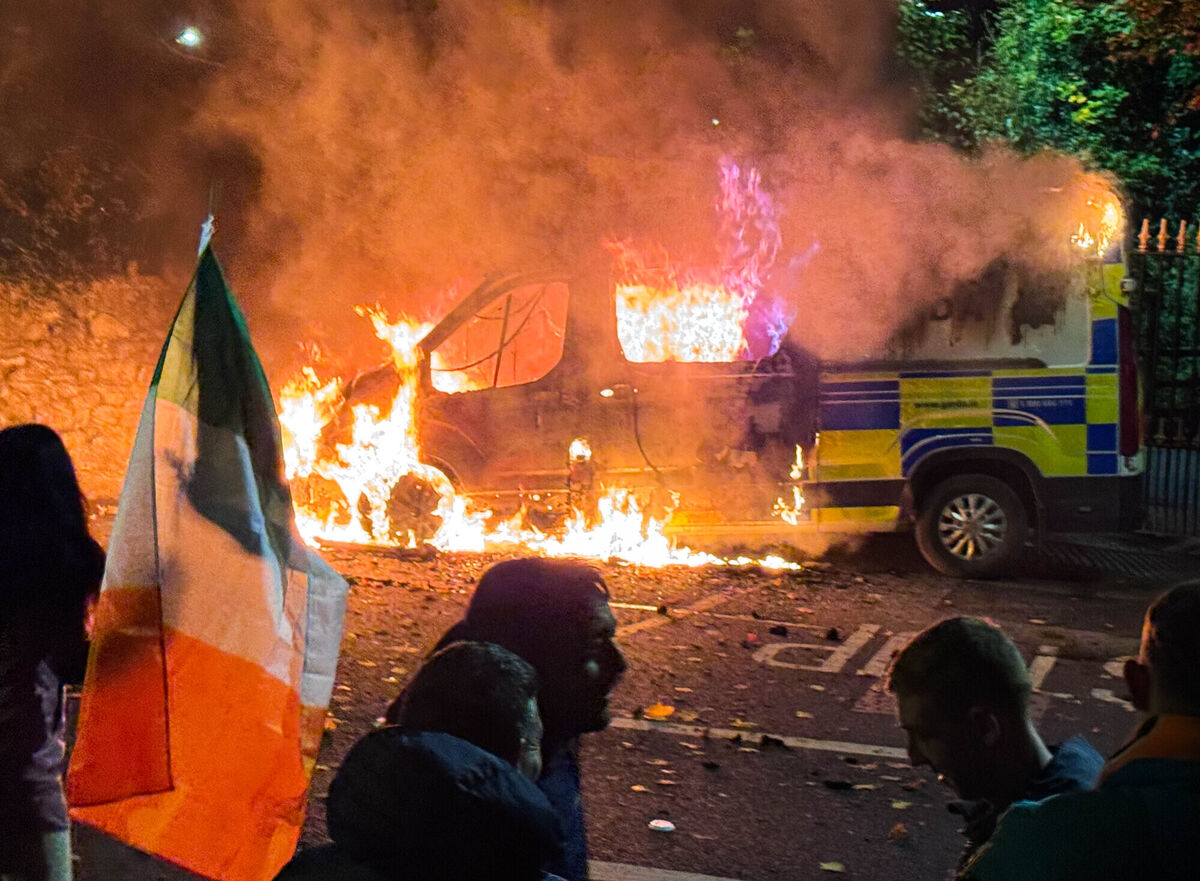
The outrage was not because of allegations a child had been sexually assaulted by a man, but because the allegation was that a white Irish child had been sexually assaulted by an Arabic-speaking man.
In short, the riotous reactions were rooted in racism. If your automatic response to this statement is to disagree, ask yourself if there were riots after Alana Quinn Idris was assaulted in 2021? (There weren’t.)
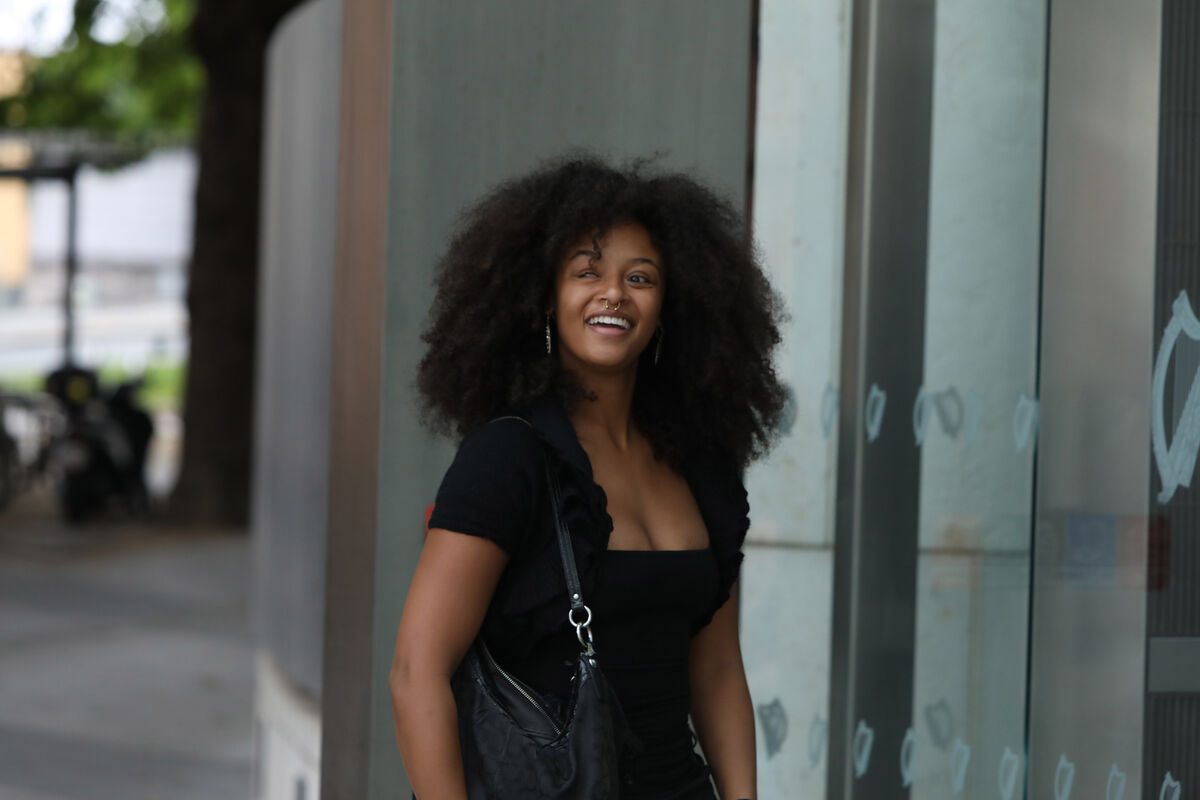
Alana, if you recall, was 17 when she was viciously assaulted by three males. She is Irish of mixed-heritage, whereas her attackers are Irish of non-mixed-heritage. They inflicted multiple injuries on her, including blinding her in one eye.
My own daughters are of mixed heritage, so these cases hit home hard. As anti-immigration sentiment rises in Ireland, I worry more about the one who lives in Dublin than I do about the one who lives in Belfast.
The latter has never been advised to leave work because of fears for her safety; she has never had a member of the police force give her his mobile number “in case there’s a bit of trouble”; she has never had to ask a security guard at work to walk her to her bus stop because there are crowds on the main thoroughfare protesting the presence of people who look like her.
Her Dublin-dwelling sister has had all these experiences.
We Irish like to congratulate ourselves for not being racist, but we are, and we always have been. Until about 25 years ago, we were able to deny our racism because there were so few obviously different people here.
Our racism, however, is easily evidenced by how we treat Travellers. This ethnic minority has endured systemic racism since the foundation of the State. I have spoken with Travellers who were in school in the 1980s and 1990s, and were never taught to read or write — instead, they were given colouring pages and crayons to keep them occupied.
I have spoken with Travellers currently in school who are not invited to their classmates’ homes, or to their birthday parties. I have spoken with children who frequently hear themselves referred to by the K-word on school playgrounds.
Racism does not just take the form of riots like those in Citywest last week. It is also the resentment directed at people who are not white when they are accommodated by their local county councils.
It is the refusal to allow a black or brown person out in front of us in traffic simply because of the colour of their skin. It is asking someone where they are from and — when they state they are Irish — following that question up with “No. Where are you really from?”
Irish racism is directed towards people who don’t look like us, and people who do. There is a cohort of people in Ireland who believe that anyone who, or whose parent, grew up overseas does not belong here.
All they are doing is betraying their own ignorance. Ignorance is, after all, at the root of all racism. In 2006, for example, on Abbey Street in Dublin a man in his 20s heard two white women speaking in a language that was not English.
“F- off back to yizzer’s own bleedin’ country,” he yelled at them. The two women in question were my sister and myself. We were deep in conversation as Gaelige.
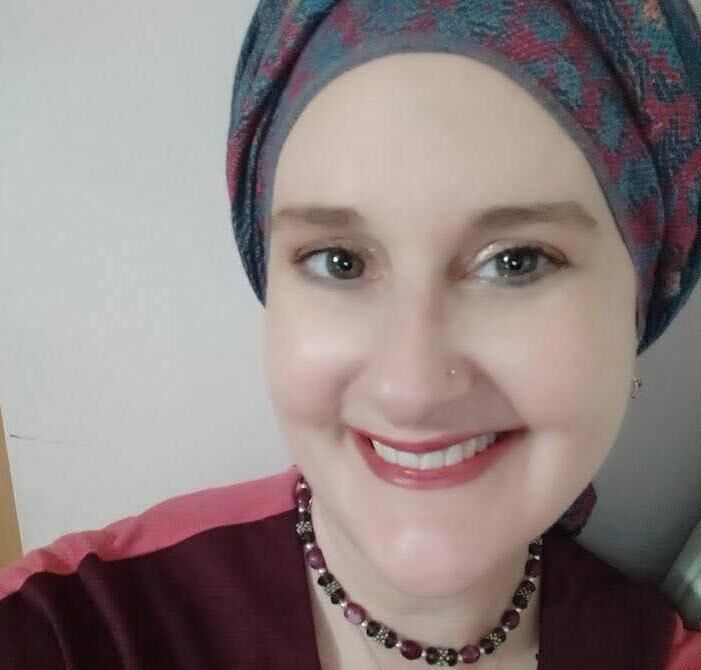
- Hazel Katherine Larkin is a sociologist who researched intergenerational trauma and child sexual abuse in Ireland for her PhD, who spent half her adult life living outside the Republic. She is a Board Member of Kildare Traveller Action.

CONNECT WITH US TODAY



Be the first to know the latest news and updates