Children of all needs must learn together
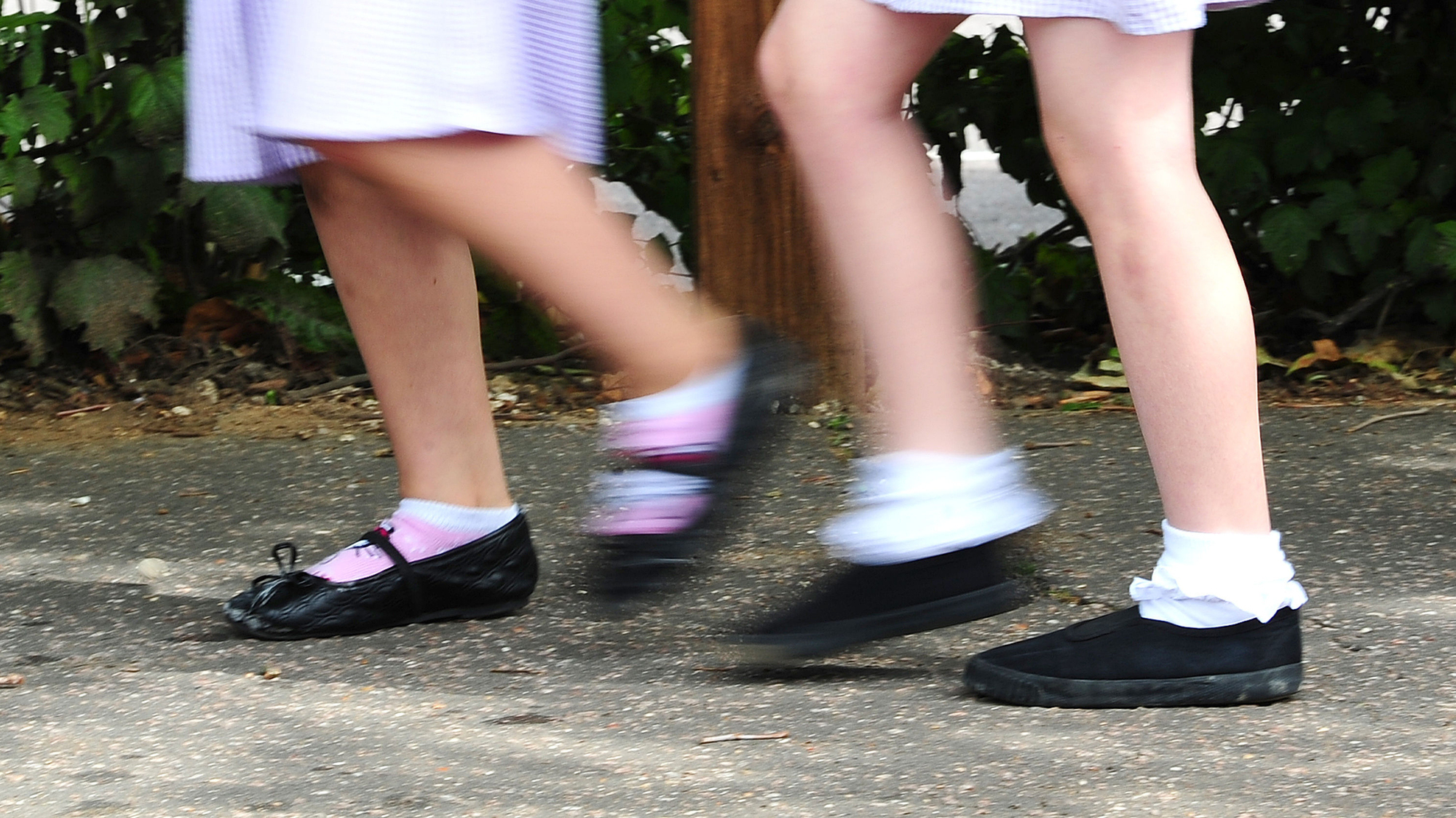
One marker of progress in terms of inclusive education is less reliance on separate special schools, however 11 new special schools have opened in the last five years and more are planned.
We are at a crossroads in relation to inclusive education in Ireland. Are we going to maintain a model of separation or put momentum into fostering an inclusive system? By all accounts, the answer is the latter. However, to do this, everyone from teachers and parents to policymakers needs to get behind it.
With projected numbers of children and young people requiring specialist support set to increase over the next decade, we have choices to make as a society. We can continue to develop along the present path which will result in an increased number of separate special schools and classes.
This is a path of least resistance and administrative ease and contrary to our commitments under the UN Convention on the Rights of Persons with Disabilities (UNCRPD) which, ratified in Ireland since 2018, underlines that children with disabilities cannot be discriminated against in accessing the general education system. Although, it also presents a challenge to Ireland in that it prioritises the rights of children to inclusive education over parental rights to choose alternatives.
Alternatively, we can re-imagine and co-design a system of support in general schools that is rights- and strengths-based and responsive to all needs. This would entail greater generosity of spirit and will involve trialling more sophisticated support systems and structures that are multidisciplinary and utilise space, resources, teachers, special needs assistants, and therapists in new creative practices embracing learner voices in all aspects.
A review of the key Irish legislation, the Education for Persons with Special Educational Needs Act 2004, after 20 years of many of its features not being commenced has also been completed. There is an opportunity and momentum growing to embrace a fully inclusive education system, along with a policy commitment to inclusive education from all political parties and Independents.
It is important to note that inclusive education is now interpreted as encompassing all learners, but this has traditionally focussed on learners with special educational needs or disabilities.
Separate provision does not mirror community, society, or workplace expectations of collaboration and social inclusion. Separating children within families and communities and, in many cases, accepting that children should have to travel long distances to avail of an appropriate education that can accommodate their needs should be a thing of the past.
One marker of progress in terms of inclusive education is less reliance on separate special schools. However, from the time Ireland ratified the UNCRPD in 2018, there has been an increase in their use.
Some 11 new special schools have opened in the last five years with more planned and, disappointingly, we have not ensured that each is co-located with schools in the general education system. Co-location of special schools and mainstream schools on shared campuses has been recommended as a policy since 2011. While it does not guarantee close collaboration, reciprocal learning, and social inclusion between schools, it does afford the possibility of such with appropriate leadership and policy guidance.
In addition, with very little empirical evidence on their effectiveness, we have opened 3,300 special classes primarily for autistic learners in our mainstream schools with plans for many more.
There are potential benefits from these classes, including many children not having to travel from their locality to a special school to access education; the possibility of autism-specific practices, part-time inclusion in mainstream classes; as well as a quieter environment with less chance of sensory overload and capacity building in schools.
However, there are risks of social exclusion, reduced curriculum access, separation from peers, full-time placement in the special class, inappropriate placement, and a disincentive to develop sophisticated models of support that are more inclusive.
Ultimately, this means that all learners have a sense of belonging in their local schools and can participate in and benefit from an appropriate and individually relevant education experience. An inclusive society starts with an inclusive education system.
From the research and policy guidance, we will need to embark on the following: Domestic legislation incorporating the rights entailed in the UNCRPD to inclusive education; a capacity building plan incorporating education and health; establish quality standards for inclusive education; a systems-wide cultural change of attitudes, beliefs, policies, and practices from a charity deficit model to a human rights, strengths-based and neuro-affirmative approach; and a plan to address both soft and hard barriers to inclusive education.
Crucially, principals need to be supported to engage in inclusive leadership. Teachers and special needs assistants need to be guaranteed support, resources, inter-professional learning opportunities, and therapeutic partnership and co-working when required to build the trust of parents, teachers, and students that learners' strengths, interests, and needs will be met.
It is important to acknowledge the huge progress that has been made since the late 1990s in legislation, resources, special needs assistants, teacher and early childhood education, curricular reform, research informed policies, psychological support services, special education needs organisers, and the statutory role of the National Council for Special Education. However, this was from a very low base, and increased societal expectations and recognition of disability rights means much more needs to be done.
The right to an inclusive appropriate education cannot be on the basis of grace and favour or good fortune based on location and access to services. Points of transition (eg from primary to post-primary) need to be planned years in advance with continuation of supports.
Learning to live together is as important as learning to know and learning to do, and an inclusive education system lays the foundation for the mutual respect for all differences be they ethnic, cultural, gender, sexual orientation, ability, religious, socio-economic background or language-related. In a republic, this is worth striving for.
- Professor Joe Travers is the director of the Centre of Inclusive Pedagogy at DCU’s Institute of Education


CONNECT WITH US TODAY



Be the first to know the latest news and updates