Race for the Áras: The psychology behind deciding whether or not to run for president
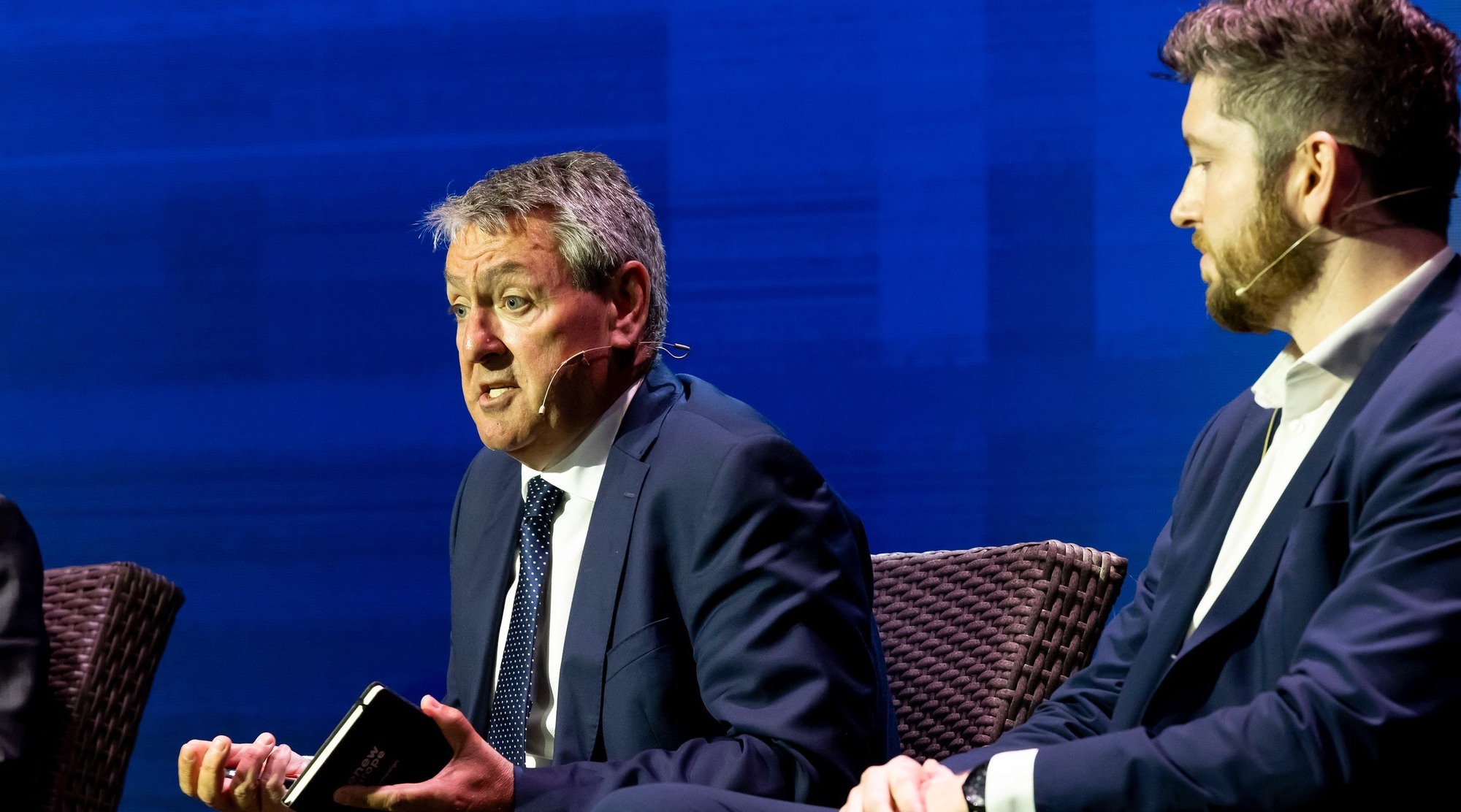
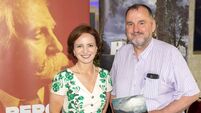
Potential presidential candidates Billy Kelleher and Gareth Sheridan. The decision to run rests on multiple judgement traps. File photo; Mary Browne
Running for president is not just a political decision; it’s a psychological and personal gamble. Some regret running. Some even regret winning.
The decision to run rests on multiple judgement traps. Understand those, and you’ll understand who runs, who doesn’t – and who shouldn’t.
Motivations to campaign are as varied as the characters themselves, including Jim Gavin, Heather Humphries, Billy Kelleher, Gareth Sheridan, and Catherine Connolly. One radio presenter said: “If you want to be president, you’re an egomaniac.“
Such singular explanations help make sense of the world, but it’s an oversimplification that ignores decision complexity and internal conflict. Ego is only one of 10 traps that shape our choices.

In my book , I outline the bias-led perimeters, or traps that narrow our thinking – power, ego, risk, identity, memory, emotion, time, ethics, relationships and stories. These explain how we rationalise high-stakes decisions.
Take power-based traps. Under Article 12, Ireland’s presidency is largely ceremonial with limited power, like Italy and Germany. Yet it’s the pinnacle of symbolic authority, conferring international visibility and domestic reverence - enough to entice many bids.
Career success surfaces ego-based traps and an inflated view of political viability. Science shows that most of us believe we’re above average decisionmakers, drivers, and dancers. Narcissists feel worthy, if not deserving, of high-ranking titles.
This overconfidence distorts risk. Polls provide false reassurance reinforced by human fixation with numbers over valuable anecdotes or instinct. Momentum further conceals the true probability of winning.
Enhanced identity offers an obvious incentive. Every presidency bestows lifetime membership of an elite club. Then there’s the generous salary, fancy crib and social gold card, followed by legacy books, speeches and consulting gigs.
Inevitably, memory becomes selective, editing out prior mis-steps and intense public scrutiny. Online hostility has been normalised with few politicians spared.
For some, there’s an ethical calling to be anointed as the moral authority. Not all feel it. In 1995, General Colin Powell admitted he lacked the necessary “passion and commitment”. Similarly, former Secretary of State Condoleezza Rice chose academia over the White House.

The presidency is life-changing. Seven or 14 years is a long time for short-term thinking. Yet people make tomorrow’s decisions based on today’s sentiment. It’s termed ‘affective forecasting error’.
Naturally, emotion underpins decisions. Wishful thinking drowns out common sense and criticism. Vanity replaces sanity. The proverbial ostrich, we ignore any threat to what we want to hear. “You can win.”
If undecided, the social crowd provides direction and misdirection. Self-interested parties and donors often exert pressure. Reluctant candidates succumb. Despite declaring he would leave politics post-EU, Patrick Hillery became Ireland’s sixth president.
Story-based hype and destiny narratives seal the deal. “You’re what Ireland needs.” A flattering whisper becomes an earworm. A born ambassador; victory is close. It feels possible, prudent even. These traps intensify in uncertain environments, like a presidential race.
What is the path to the Áras anyway? It’s not clear.
Ireland has elected poets, lawyers, teachers and doctors. How can political parties assess eligibility or voters assess suitability? There’s no job spec beyond popularity. Criteria remain extremely fuzzy.
Consider vague candidate descriptions. TDs reference “fine” ambassadors, praising “concerns about disadvantage”. The Taoiseach’s choice “ticks all the boxes,” exhibiting the ”right values”.
Candidate messages are equally flaky. One boasts of having “enough to offer.” Really? None are compelling, slick or appropriate. This woolliness denigrates the office and insults voters’ intelligence.
No wonder participation dropped to its lowest ever at 43.9% in 2018, below the last general election’s 59.7%. Irish voters are no fools, tuning out trite messages and trite messengers.
Professor Deirdre Heenan was asked about her chances. Hedging commitment, she replied: “Well, couldn’t anyone have a chance?” Indeed. Nowadays, boxers, meteorologists, entertainers and entrepreneurs contemplate their chances. One of the highest offices in Ireland is no side hustle.
For every glory-hunter, there’s a reluctant runner. Some politicians decline for family and health reasons. Some sidestep the humiliation of low support. Inevitably, some can’t decide.
In 1980, Ted Kennedy weighed the Chappaquiddick scandal against his viability. In the current race, a flattered Bob Geldof mused: “Would I actually want the job? I don’t know.” Candidates must tune into their own truth. Will they be heard on a world stage? As listener-in-chief, can they become the “unifying force” Mary Robinson envisaged?
Will they pay the price of entry? Mayor Michael Bloomberg splurged $1 billion on his 2020 campaign before dropping out. Lyndon B. Johnson refused another term while Thomas Jefferson wrote about “rejoice at escaping”.
Inventing the ship means inventing the shipwreck. Tone-deafness causes national embarrassment and reputational damage, however symbolic the role. Don’t forget the UK's gaffe-prone Duke of Edinburgh and Germany’s president Christian Wulff who resigned over corruption claims.
In today’s noisy world, a different type of leader is required: an influencer who champions humanitarian causes; an empath who reaches a polarised public; and a diplomat who influences without authority on a world stage.
It’s a privilege to lead. But not everyone should. Understanding the psychological traps mitigates that misjudgement.
Only a domestically credible, globally astute and emotionally intelligent president will ensure that this office remains a national asset rather than an international liability.
- Nuala Walsh is a former FTSE 100 Chief Marketing Officer, board advisor, award-winning author and adjunct professor of behavioral science at Trinity College Dublin.
- She is the guest speaker at Network Cork's October event at UCC - see networkireland.ie for more information.