The word 'genocide' is now being used among Israelis
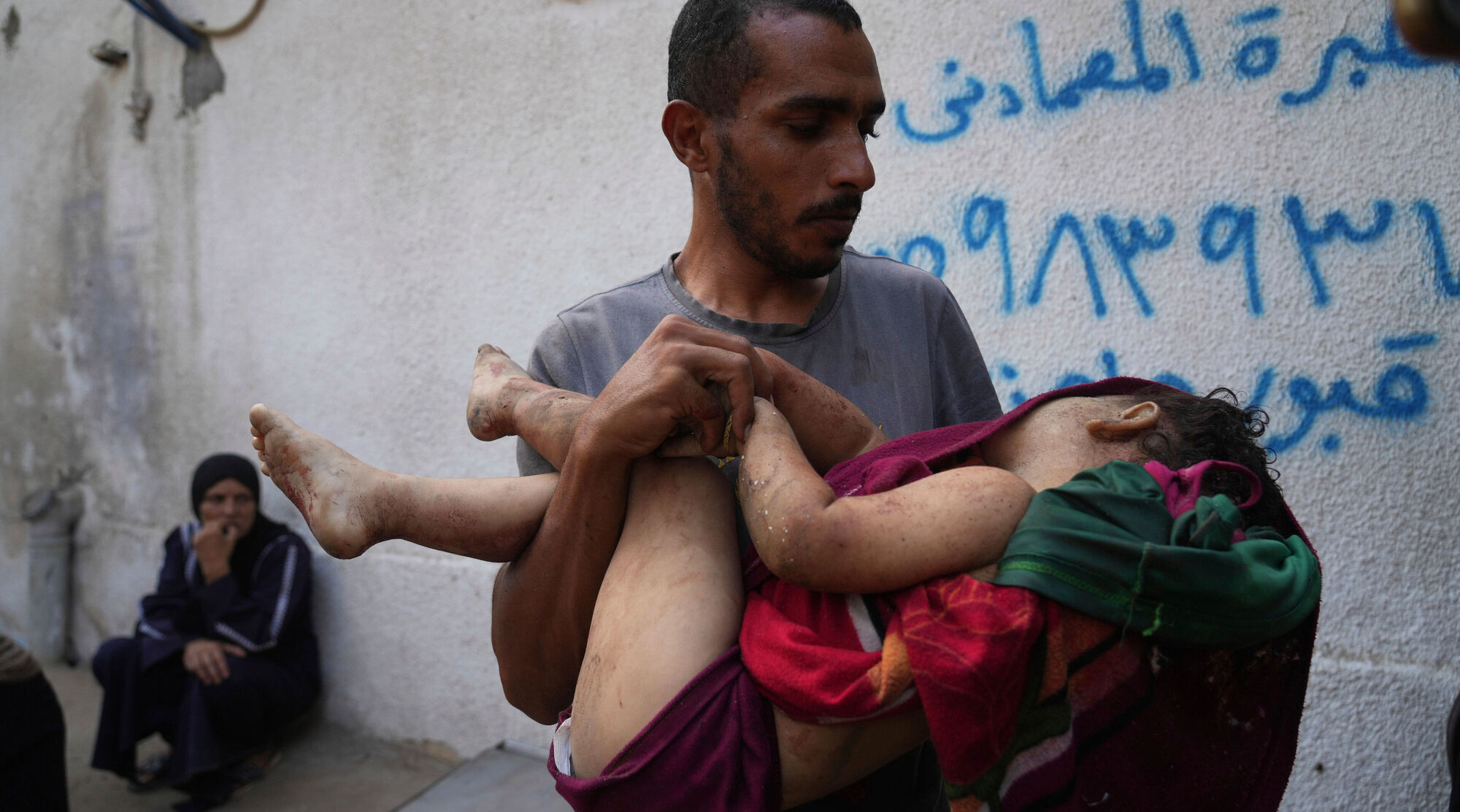
Alaa Hassanein carries the body of his four-year-old niece, Sara Hassanein, who was killed in an Israeli military strike on a school outside Al-Shifa Hospital, in Gaza City last week. Since the October 7 massacre, over 62,000 Palestinians have been killed in the Gaza Strip. This includes almost 18,500 children. Photo: AP/Abdel Kareem Hana
It's official. Last Friday, the UN-backed IPC report was stark. There is “a man-made famine in Gaza…babies are dying of hunger, too weak to cry or eat”.
Some 130,000 children under the age of five in the north of Gaza risk death due to malnutrition. But is it genocide?
Does it really matter what this Israeli-induced famine is called? I hear many readers think aloud. To the “wasted bodies” of the Palestinian children and their parents, probably not. But it matters that we talk about the 'G' word.
The international legal definition is unsurprisingly complex. “Genocide is a crime committed with the intent to destroy a national ethnic, racial or religious group, in whole or in part”. Much hangs on just three of those words, “Intent” and “in part”.
There is an additional criterion with a very high threshold. The acts of destruction, killings, bombings, must be solely intended to “destroy.. a group… in part”, and not the outcome of some secondary intention or consequence of war.
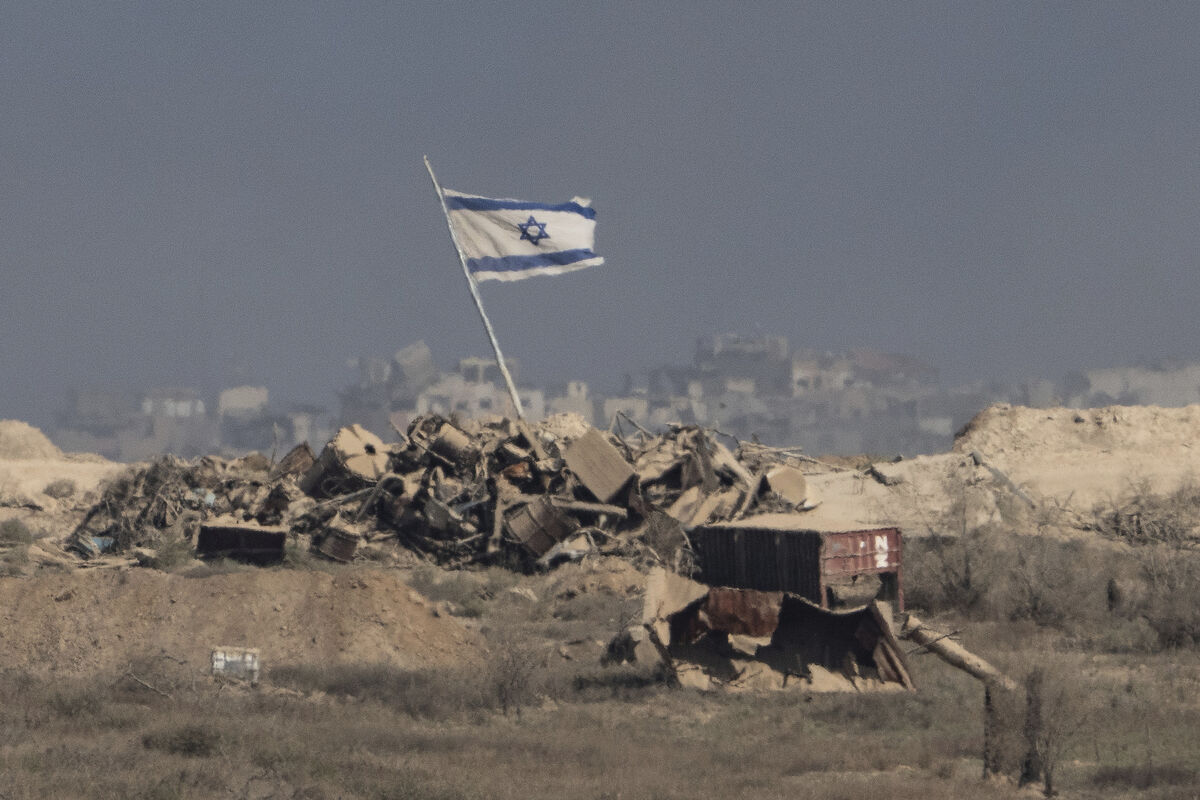
Some facts are worth repeating as we approach the second anniversary of the October 7 massacre when 1,200 Israelis were murdered and over 250 were taken hostage, and Israel launched its retaliatory war on the Gaza Strip.
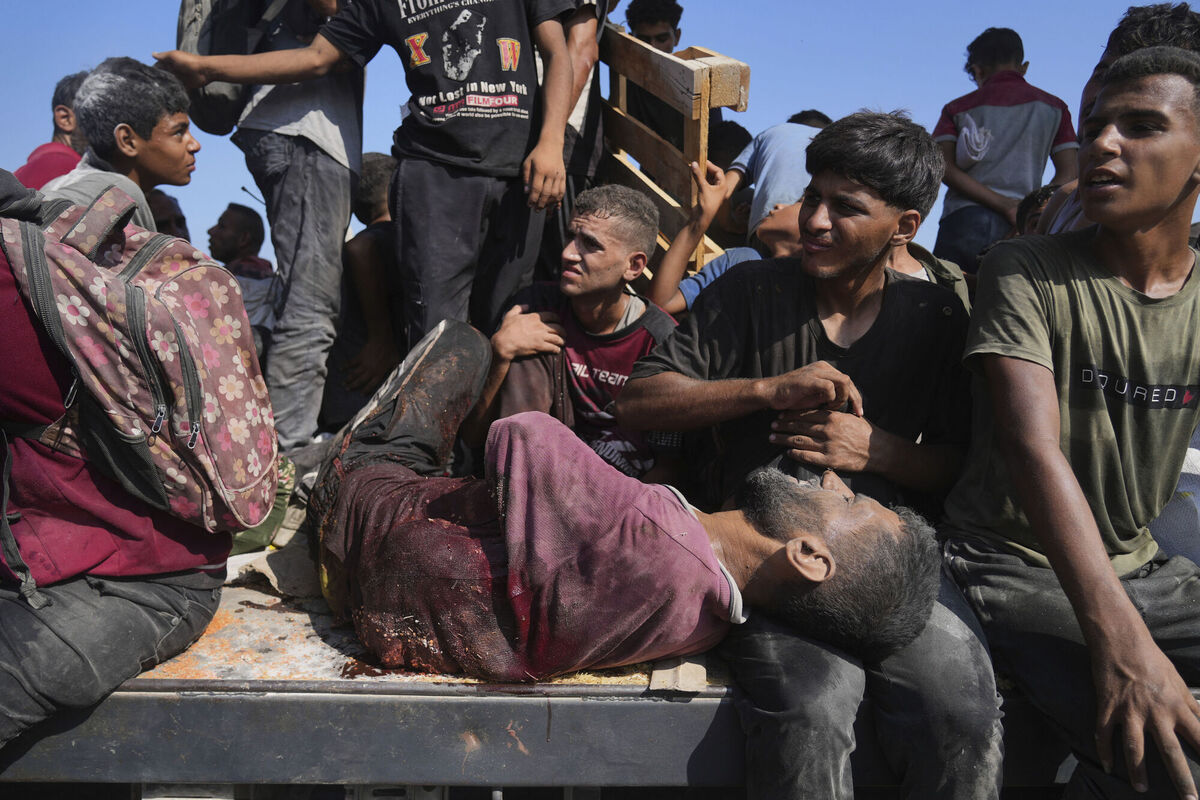
Since that fateful day, over 62,000 Palestinians have been killed in the Gaza Strip. This includes almost 18,500 children. The medical journal, earlier this year, estimated that the real death toll was 40% higher. That might suggest the death toll today is close to 5% of the pre-war population.
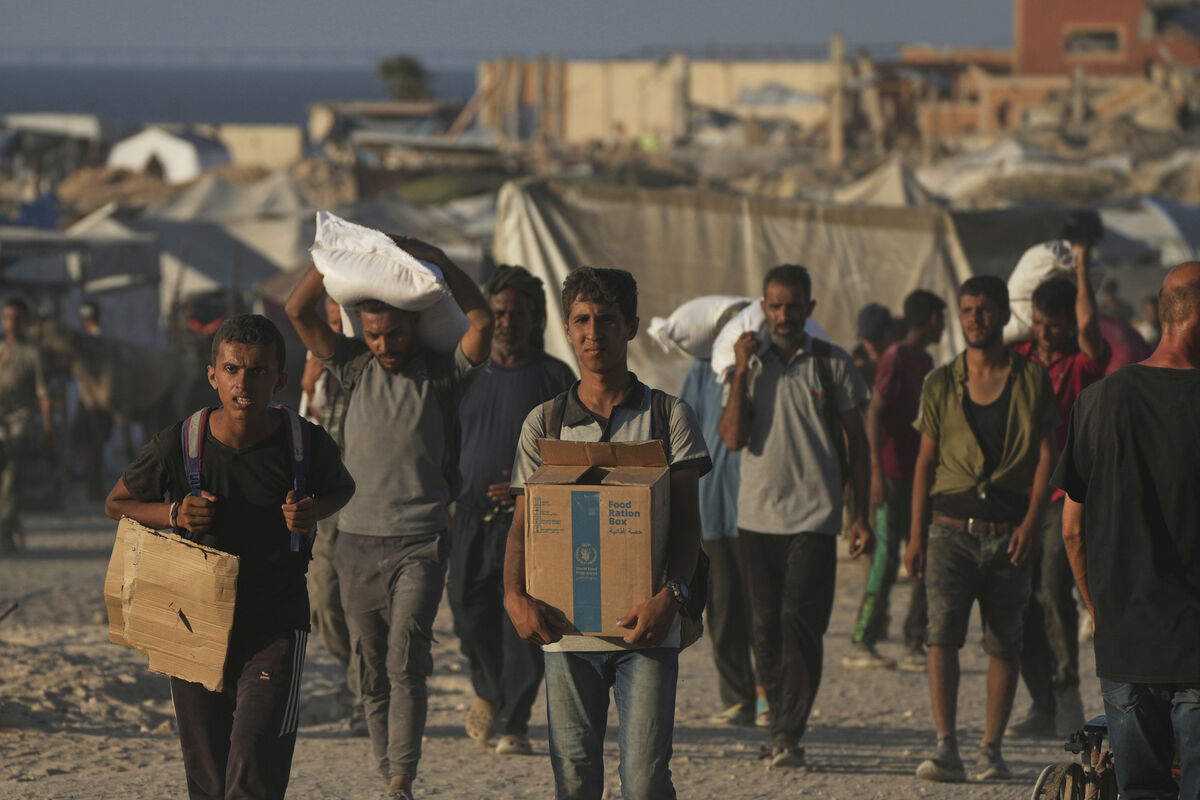
Fully 70% of all buildings are destroyed or uninhabitable. Most hospitals, schools, and universities have been destroyed. Hundreds have died of malnutrition and starvation due to an Israeli humanitarian blockade last March.
Few impartial international observers dispute these facts. Whatever about the intent or context behind these numbers, few credible media or human rights organisations in Israel dispute them either.
But two years on, Israelis continue to struggle with the 'G' word. Admittedly, it’s a momentous word, a monstrous word. This is understandable, especially for Israeli Jews.
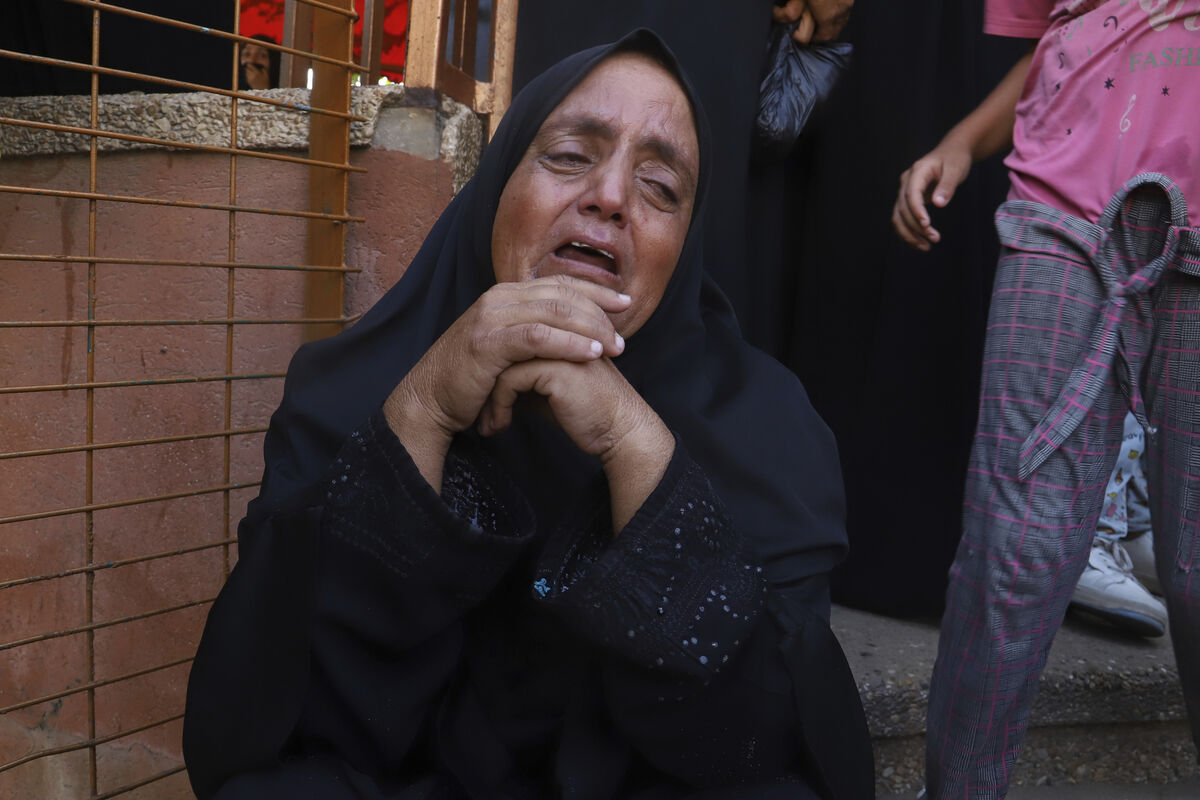
Many on the left, including some of the Israeli government's fiercest critics, still balk at using the word genocide. Senator Bernie Sanders has argued that getting hung up on a single word is a distraction, unnecessarily polarising.
The scale and depth of destruction are visible in almost every news story; the unimaginable suffering is so stark, the argument goes, that we should focus on the reality of that horror and not engage in legalese armchair debate.
I once bought into that argument. But living in Israel for the past two years of war, I now disagree. My experience in Tel Aviv is that the reality of the horror in Gaza, the mind-numbing statistics, gets lost, gets buried, re-packaged. One story, another atrocity blends into the next.
Grim to say, but even the few images that are shown here become repetitive. Twenty thousand dead becomes 30,000, becomes 60,000, with little insight into each new gruesome milestone.
Too often, I hear throwaway comments of chilling indifference and pedantic whataboutery, war is terrible, they started it, what did they expect, there are no innocents in Gaza.
But bring up the word genocide, and that seemingly passive casualness evaporates instantly. The defensive political stupor lifts immediately. Genocide is understandably triggering. Genocide focuses.
The very fact that genocide is binary forces many Israelis to confront it. Perhaps few Israelis will ultimately accept that their state is committing genocide, but the word hangs over Israel, over all Israelis like a psychological sword of Damocles.
They know it, they feel it, and sense a need to debate it. Often that debate is incredibly emotive, sometimes highly informed, at other times perplexingly insular if not innocent. It is, however, rarely apathetic or filled with inane whataboutery and platitudes, such as, "they started it".
Openly discussing genocide, I would argue, is a path, not a barrier, to an acknowledgment by Israelis of what has taken place in the past two years in Gaza.
Perhaps the avalanche of acknowledgment of genocide this summer by Israeli human rights organizations has broken through. Increasingly self-proclaimed Israeli leftists, progressives, academics, and intellectuals do not want to be found floundering on the wrong side of history, and floundering many have been, for far too long.
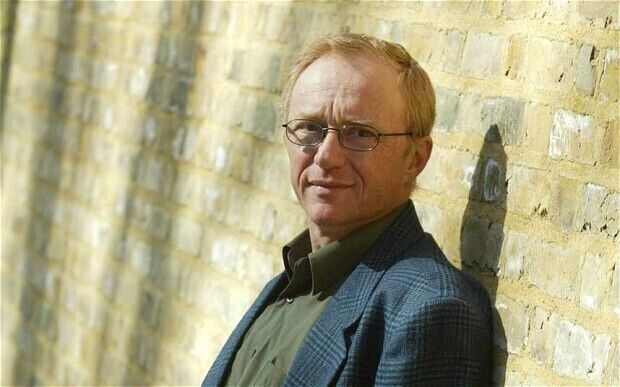
It wasn’t a coincidence that within a week of the report of Physicians for Human Rights Israel, which argued genocide was taking place, David Grossman, Israel's most famed living literary giant, joined the cacophony of admission, “with immense pain and a broken heart. It is happening before my eyes, genocide".
This acknowledgment of genocide by prominent Israelis has given a permission structure for ordinary Israelis on the centre-left to bring up the subject of genocide in conversations with friends and family.
It has certainly allowed me to throw the ‘G’ word like a hand grenade into casual conversation. Those conversations are visibly and profoundly stressful for some, cathartic for others. But they are happening. They need to happen.
And they need to happen for one important reason, admittedly perhaps a reason of little interest to non-Israelis. In the face of such discussion, Israelis cannot, in the years and decades ahead, look their children in the eye and claim they knew nothing of what was being done in their name.

CONNECT WITH US TODAY



Be the first to know the latest news and updates