We will repeat Áras Attracta and Emeis scandals until we ensure care is people-centred
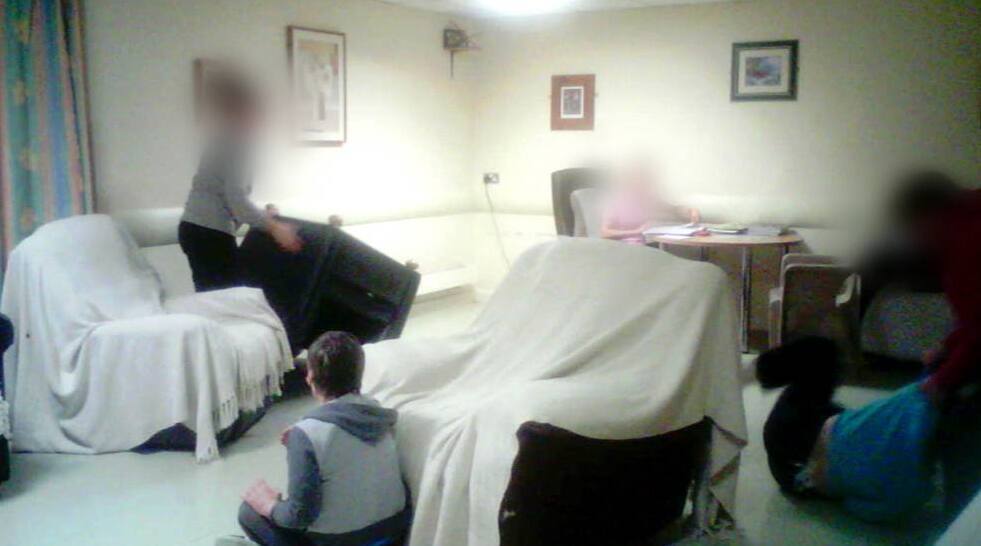
Undercover footage screened in the 2014 exposé 'Inside Bungalow 3' showed residents being slapped, kicked, verbally abused and force-fed. Picture: RTÉ
The recent RTÉ Investigates programme Inside Ireland’s Nursing Homes lifted the lid on practices that have rightly been termed ‘neglect’ and ‘abuse’ by experts and family members.
Images of older people being left for long periods in pain and discomfort, denied toilet facilities, and pleading for assistance which never came have shocked many people who did not know what was happening behind closed doors. They do, however, closely mirror similar images from an earlier programme, Inside Bungalow 3 — Áras Attracta, also produced by RTÉ Investigates in 2014.
In that exposé, adults with intellectual disabilities were roughly handled, slapped and left unattended for long periods.
There are some differences between these two programmes. One was based in a private setting and the other was public. There were different services models, one a nursing home and the other a disability centre. And there were different groups of people, one, older adults, and the other adults with intellectual disabilities.
Despite this, there are significant similarities, and one must ask ‘why?’.
We know that care settings are by their nature complex environments where communication may be impacted by cognitive or intellectual impairment. Moreover, the simultaneous presentation of physical, health, behavioural, emotional, and welfare needs can provide significant challenges to care and support.
The dynamic and individual nature of such issues demands a skilled and person-centred response from the service and those providing direct care: this was patently absent in both instances — at organisational and service delivery levels.
Perhaps the most striking underlying failures for me were in respect of ‘knowing’ the other person.
Communication in healthcare is usually defined as a process that involves dialogue, engagement, active listening, feedback, clarity, and empathy. It encompasses both verbal and non-verbal means of expression. In nursing practice, this has been described as a ‘helping relationship … without which no support can be offered to patients at any life stage.’
Caregiving is grounded in caregivers recognising themselves as being in a relationship with another human being.
Within a caring context, one would presume that this should be a positive and enriching relationship. One might also presume that this would be premised on knowing the other person, something that comes from actually spending time with the other person.
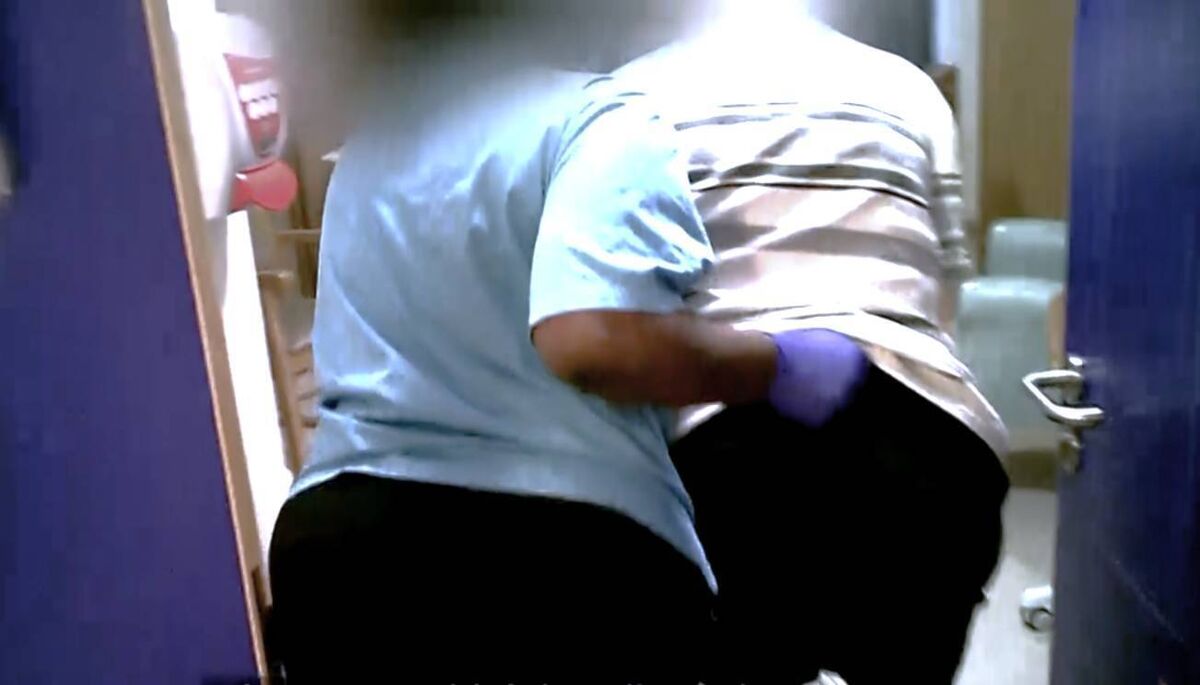
This may seem quite obvious, but it is interesting to note in both programmes that the interactions between staff and those in receipt of their service were few and far between, and when they occurred, they were often functional, impersonal, and lacking in any positive communication.
The lack of opportunities to know the person whom one is supporting, may contribute to a concurrent failure to see them as human beings but as objects to be moved and managed.
Instances of this were seen both in the Áras Attracta and Emeis investigations.
Whereas every health and social care professional is individually accountable to their regulatory body for the care provided, they may also be legally accountable for action/inaction that negatively impact other people.
Organisations must also be held accountable for ensuring that they provide adequate resources to meet the support needs and wishes of those in their care.
They must also ensure that there is a proper skill mix among staff, particularly in respect of complex interactions, to allow for the development of person-centeredness that is grounded in relationships and knowing of the other person.
If organisations fail to take heed of these responsibilities, it is likely that we will see further programmes such as Inside Ireland’s Nursing Homes and Inside Bungalow 3.
• Fintan Sheerin was consultant to RTÉ Investigates for , , and . He is the professor of nursing and founding head of the new School of Nursing at Maynooth University which opens this autumn.
CONNECT WITH US TODAY



Be the first to know the latest news and updates