Thirty years on, Srebrenica still lives under the shadow of genocide
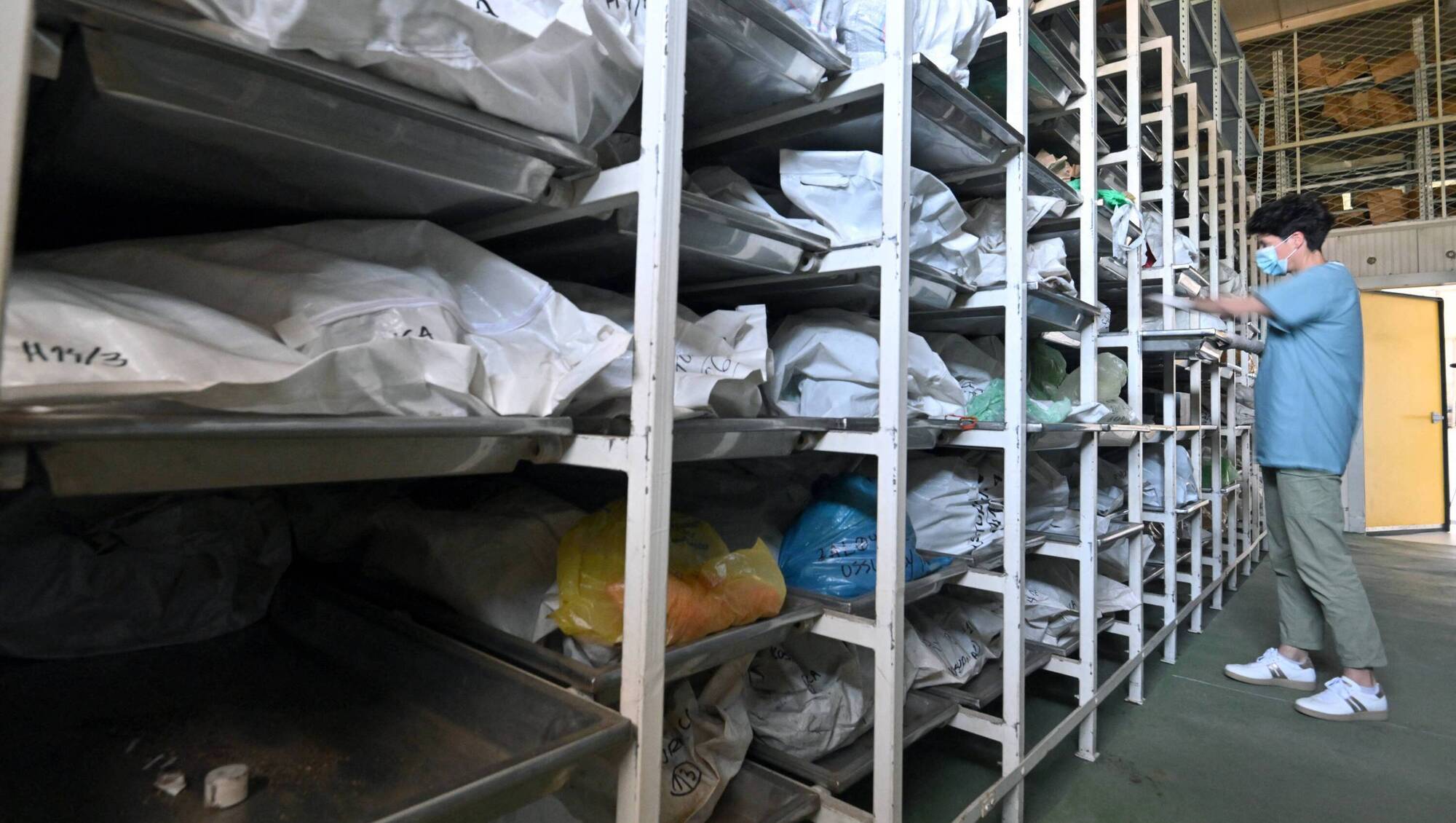
A doctor and forensic anthropologist handles a bag containing human remains exhumed at a laboratory in Tuzla, on June 4, 2025. More than 8,000 Muslim men and boys were killed within a matter of days in July 1995 after Bosnian Serb forces captured Srebrenica. Picture: Elvis Barukcic/AFP via Getty Images
In June this year, I visited the memorial to the Srebrenica genocide in Bosnia and Herzegovina.
To stand among the markers and see all the names etched on the memorial wall brought back to me those horrible days, where men and boys were separated from their loved ones and brought to surrounding schools and community halls to be murdered.
I still have a memory of a little boy, totally uncomprehending, clutching his white rabbit with tears dripping down his cheeks.
Thirty years ago, beginning on July 9, 1995, Bosnian Serb forces overran the town of Srebrenica in the east of the country and proceeded to kill or disappear up to 8,000 Bosnian Muslim men and boys and forcibly remove up to 30,000 women, girls and elderly as part of an organised military plan to “create an unbearable situation of total insecurity with no hope of further survival or life for the inhabitants”.
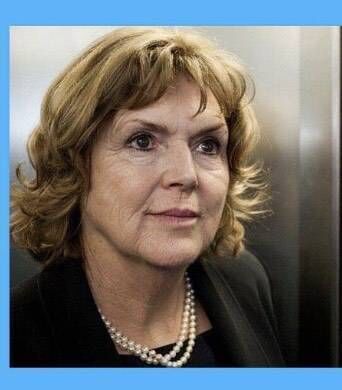
I was there as part of an investigation in my role as UN special rapporteur, to examine the situation for people defending human rights in Bosnia and Herzegovina today.
During the trip, I met with people across the country to learn about their work for the rights of others.
They are achieving so much, in spite of the fractured political landscape and the "frozen peace" described by so many of the people I met in the country.
Some of the most challenging work is being done by people seeking to address and overcome the wrongs of the past.
It is lonely work, mainly being done by women, and often with active opposition from the authorities, which leaves people in their communities wary of showing support or from getting involved themselves.
One woman who has been involved in peace building for decades told me how heavily she has been impacted by seeing the crimes perpetrated in her country repeated by Israel in Gaza.
In the city of Prijedor, where the first detention camps were opened by the Bosnian Serbs during the war, as part of a plan of ethnic cleansing and mass executions, 102 children were killed between 1992 and 1995.
For years, their parents and local human rights activists have been seeking the construction of a memorial in their name. In 2014, they gathered 1,175 signatures for a petition in support of the initiative, and delivered it to the city assembly. Since then, they have been ignored and obstructed by local authorities, while memorials for soldiers have been erected without issue.
People are traumatised, human rights defenders told me. Everyone, they said to me, is a bomb waiting to go off. Time has passed, but it hasn't healed all the wounds. At least in part, that is because it suits some people for it not to.
Plenty of people in Bosnia and Herzegovina are still profiting from ethno-nationalist narratives and division.
This is stirred up by politicians and has gone hand in hand with a serious deterioration in the environment for defending and promoting human rights, particularly in Republika Srpska, one of the country's two entities.
Human rights defenders, including independent journalists, LGBT+ activists and members of civil society organisations, have been depicted by high-level authorities as internal enemies of the entity, in a discourse maintained over years.
In a country strongly marked by corruption, these smears and threats seem aimed at sowing division and cement power captured since the Dayton Peace Agreement, the 30th anniversary of which also takes place this year.
Verbal attacks have been accompanied with the introduction of repressive legislation, including to re-criminalise defamation and create a register of "agents of foreign influence", that make it riskier for people to speak out critically against the actions of the authorities.
That includes when it comes to concessions in the extractive industries, with European companies among those seeking to exploit the nation's critical minerals.
All the while, those in power continue to deny what was done in Srebrenica and elsewhere in the country.
This is a road to nowhere.
There are also issues for people defending and promoting human rights in the country's other entity, the Federation of Bosnia and Herzegovina, where human rights defenders could use much more support.
But I also left with hope.
Transitional justice takes courage, understanding, and persistence.
Ordinary people — human rights defenders — are showing all of that in Bosnia and Herzegovina.
They embody the better future that peace proclaimed 30 years ago, but, as elsewhere, their voices are at risk of being drowned out by those seeking profit through power, exploiting the pains of the past for their own gain.
- Mary Lawlor is UN special rapporteur on the situation of human rights defenders

CONNECT WITH US TODAY



Be the first to know the latest news and updates