Unreliability of Donald Trump's US means a cascade of nuclear armament is on the way
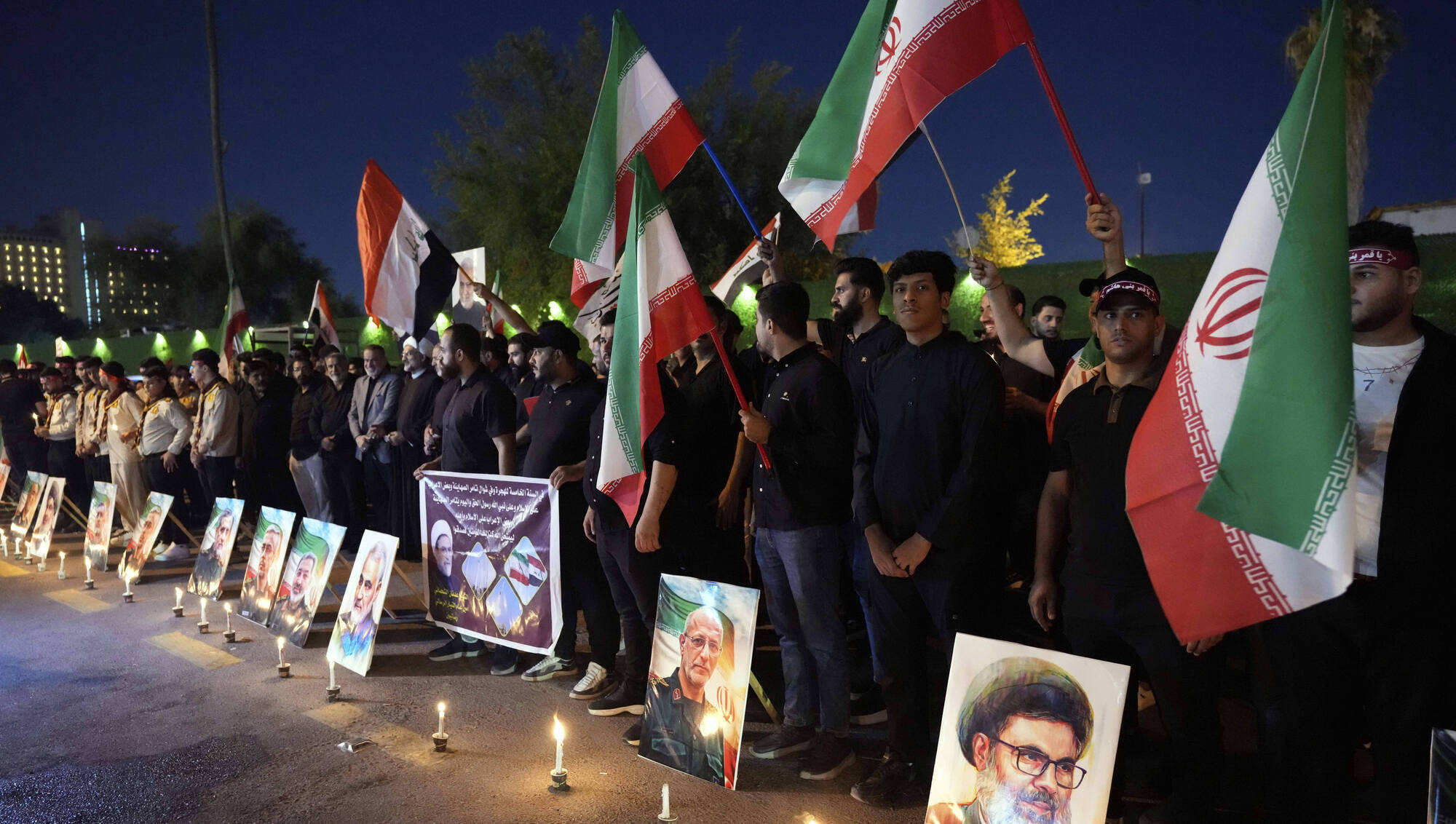
Protesters gather in front of the Iranian embassy carrying candles and Iranian flags during a stand honouring the Iranian armed forces generals, nuclear scientists, and their family members who were killed in Israeli strikes, in Baghdad, Iraq. Picture: Hadi Mizban/AP
At first glance, the recent joint US/Israeli attack on Iran looks like yet another flare up of regional rivalries in a Middle East tortured by endless conflict, intense geopolitical competition, and mass murder.
Unlike previous iterations of conflict involving Israel, this bout has not triggered a wider conflagration, as was the case in 1967 and 1973.
But the war launched by Israel on Iran may prove extraordinarily important, not just for regional relations, but for international relations writ large.
The attack highlighted the increasing lawlessness of both Donald Trump's administration and Benjamin Netanyahu’s government in Tel Aviv.
Since coming back to office, Trump has taken a wrecking ball to the rules-based international order which his predecessors put in place after 1945.
The surprise attack on Iran, occurring amidst ongoing negotiations, was entirely lacking the required congressional approval.
We know from extant studies of authoritarianism that regimes which attack and seek to suborn the criminal justice system in their own jurisdictions are more likely to behave aggressively in the international arena and exhibit scorn towards well-established principles of international law.
The common denominator is that, in both cases, law is restricting — the courts constitute a confining block; the regime often cannot carry out its will and thus is prepared to flagrantly trespass on established norms to get its way.
After the Second World War, the US managed to establish a global system characterised by increasing levels of inter-state co-operation and incremental investment in international institutions.
That these were designed in the American image, and largely reflected US interests, was unimportant — over time the number of countries engaging in democratisation increased precipitously.
This was parallelled in the economic sphere, where protectionism was jettisoned in favour of globalisation, which brought more and more countries into a rules-based international trading system.
After 1945, such organisations as the United Nations, the World Health Organization (WHO), and the World Trade Organization (WTO) became household names, as internationalisation took root.
The establishment of the International Criminal Court (ICC) in Rome in 1998 signalled a determination to internationalise justice and, in particular, prosecute heinous war crimes and crimes against humanity.
The cross-national integration pioneered in Europe via the European Economic Community (EEC) and later, the European Union (EU) developed into the most successful experiment with institutionalising cross national relations the world has ever seen.
This pattern of ever denser internationalisation began to fracture in the early part of this century.
The US invasion of Iraq in 2003 constituted a singular moment of inflection: The world turned on its axis.
Washington DC told outrageous lies, in order to justify the invasion and occupation of Iraq, and lost an enormous amount of credibility in the process.
The George W Bush administration demonstrated contempt for the very international standards and institutions which US governments had built and championed since the 1940s, showing great distain for the UN and the EU.
It is now vastly worse: The Trump administration has destroyed crucial vestiges of international engagement, from ending USAID funding (already producing devastating consequences), and withdrawing from the WHO, the Paris Climate Change Agreement, the UN Human Rights Council, and UNRWA, to threatening sanctions on any country which complied with the ICC order for the arrest of Netanyahu and his former defence minister Yoav Gallant.
The precipitous damage being done to the rules-based international order has been underlined recently when a number of countries, including Estonia, Latvia, Lithuania, Finland, Poland, and Ukraine all signalled an intent to withdraw from the Ottawa Convention on the prohibition, use, stockpiling, production, and transfer of anti-personnel mines.
This is undisputably evidence of an accelerating breakdown in trust in international institutions.
The biggest victim of this regression in internationalism, however, may be the ability of the world to control the proliferation of nuclear weapons.
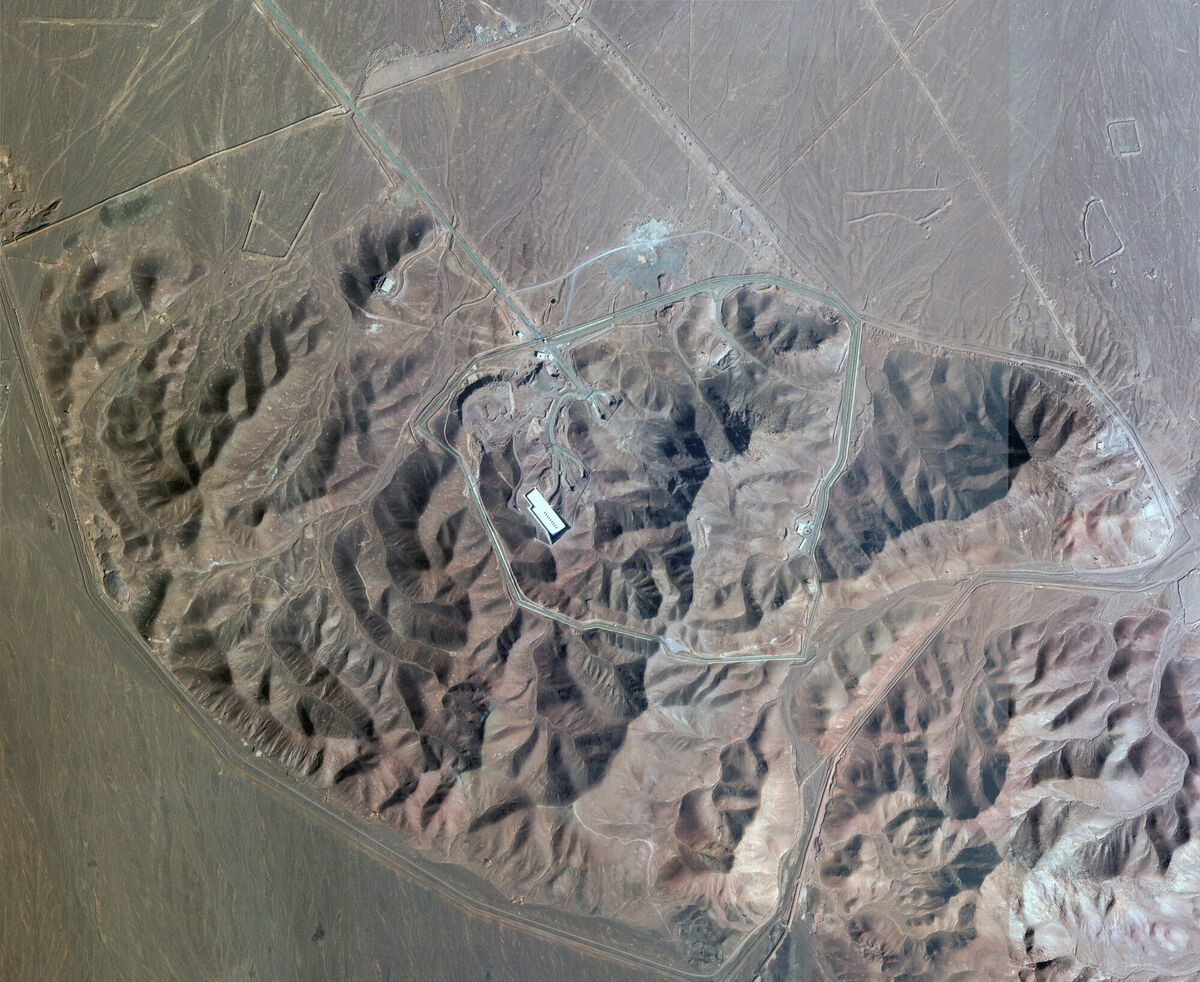
The Nuclear Non-Proliferation Treaty (NPT) has long been heralded as a cornerstone of the rules-based international order, with 191 states party to the treaty; its success in preventing widespread nuclear ‘cascading’ has been remarkable.
Indeed, with the notable exceptions of Israel, Pakistan, India, and North Korea, no other nation has openly developed a nuclear arsenal.
However, recent events, threaten to unravel decades of diligent non-proliferation work, pushing the world towards a more dangerous, nuclear-armed future.
The assault by Israel, a nuclear-armed state, and not a signatory to the NPT, on a NPT member state (Iran) whose nuclear programme was under the stringent surveillance of the International Atomic Energy Agency (IAEA), in the midst of on-going Iran-US nuclear talks, underscores a profound double standard.
The inability or unwillingness of Western powers to undertake significant military action against Russia, a nuclear superpower, despite its aggression in Ukraine, is a powerful demonstration of the ‘nuclear shield’ in action.
Similarly, direct military intervention against North Korea, another nuclear-armed state, is fraught with unimaginable risks.
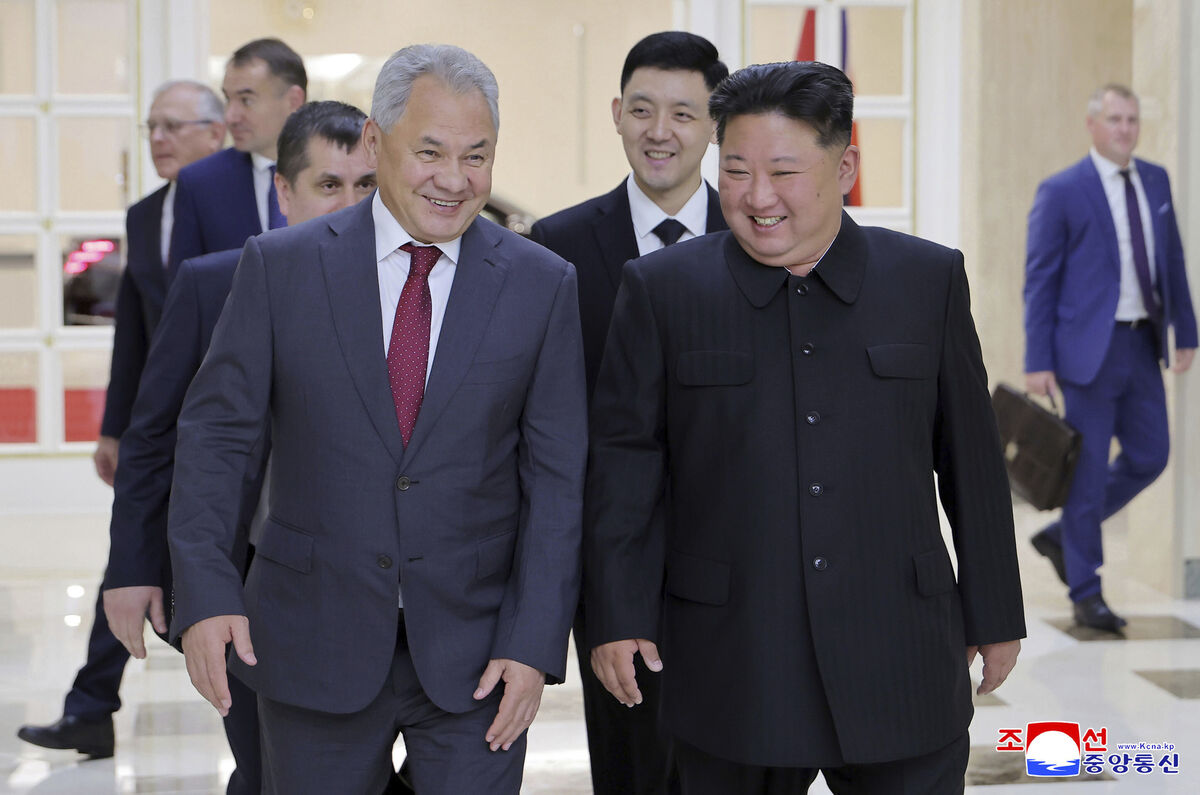
This perceived immunity for nuclear powers stands in stark contrast to the vulnerability of non-nuclear states, including Iran, which up until now had been adhering to international agreements, especially the NPT.
This disparity fuels a growing, and increasingly vocal, sentiment within Iran: That possessing nuclear weapons is the ultimate and sole guarantor of national security.
The argument gaining traction is that had Iran developed a nuclear deterrent, no nation would dare to attack or threaten its interests in the way that Israel and the US have.
Consequently, the voices advocating for Iran to develop a nuclear weapon have intensified, culminating in the Iranian parliament's recent vote to suspend cooperation with the IAEA ,and preparation of legislation to withdraw from the NPT.
Such a withdrawal from the NPT by Iran would be catastrophic for the global non-proliferation regime, inevitably triggering a cascade of similar actions.
Regional rivals, notably Turkey, Saudi Arabia, and the UAE, which possess the technological capabilities and geopolitical motivations, would likely follow suit, initiating a potentially dangerous escalatory nuclear arms race in one of the world's most volatile regions.
Similarly, non-nuclear states like Japan and South Korea, facing a nuclear-armed North Korea, now exhibit a profound sense of vulnerability.
They are almost certainly convinced that relying solely on security guarantees from an increasingly chaotic US, or the abstract protections of a rules-based international order is insufficient.
The logical, albeit dangerous, conclusion for these nations is that the only reliable defence against a nuclear threat is the possession of their own nuclear deterrent.
The policies of the Trump administration, particularly its unilateral withdrawal from the Joint Comprehensive Plan of Action, exacerbated this dangerous trend.
Far from preventing Iran from acquiring a nuclear weapon, these actions arguably strengthened the resolve of Iranian hardliners and inadvertently demonstrated to other nations that adherence to international agreements offers no guaranteed protection from external threats.
This shortsighted approach, coupled with the actions of other actors, has inflicted potentially fatal damage on the NPT — arguably one of the most successful diplomatic achievements of the post-1945 rules based international order.
CONNECT WITH US TODAY



Be the first to know the latest news and updates