Thinking global and acting local sees our musical traditions survive and thrive
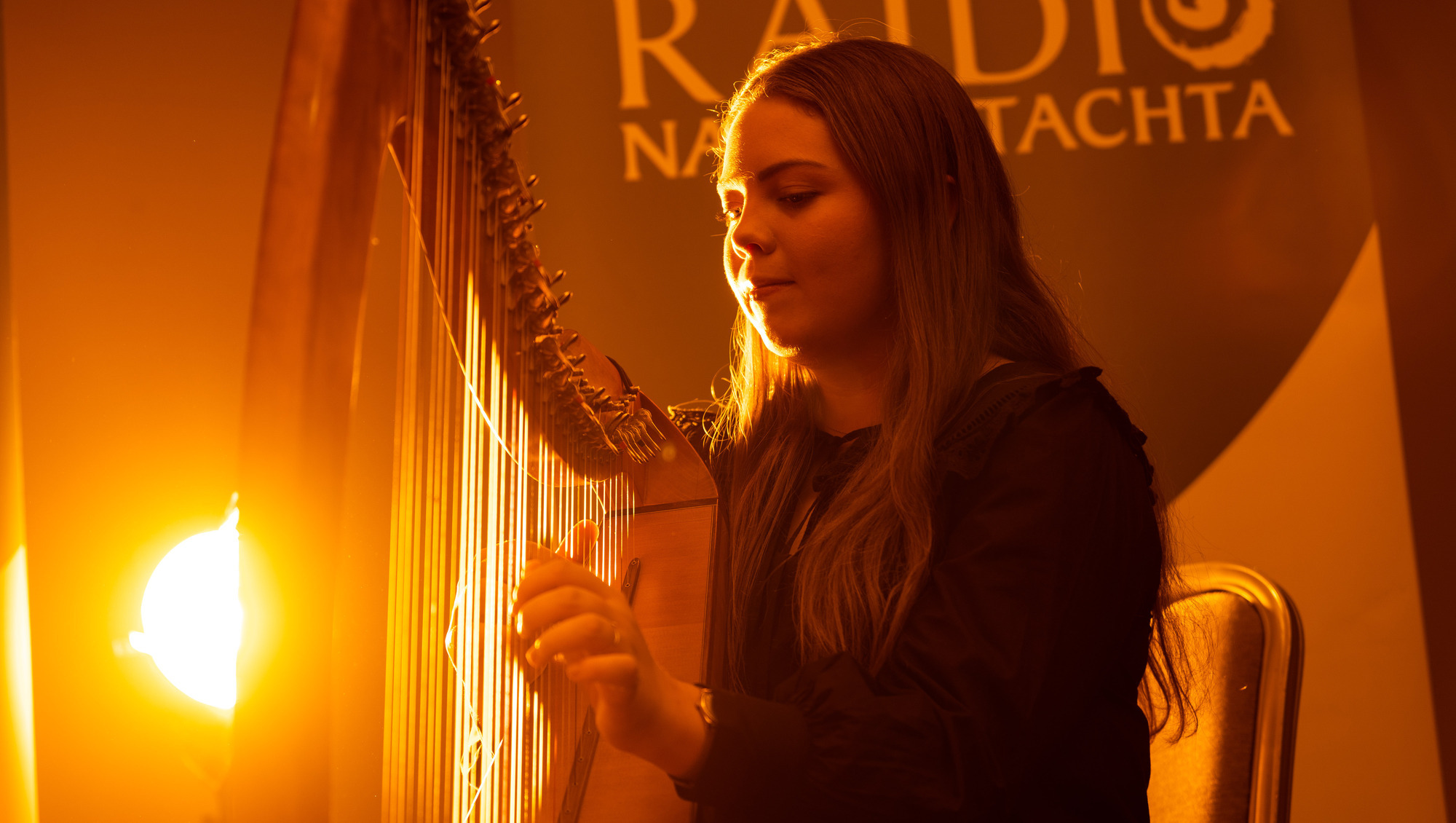
Lily O’Connor, of Ballygriffey Co Clare, performing at Rochestown Hotel, Cork: Comhaltas now has 400+ branches around the world, promoting and preserving our music, dancing and language.
Picture: Darragh Kane
“Think global, act local”: the phrase was coined in the 1970s, gained new currency in the '90s and remains relevant today. Think global — in other words, big picture, broad view, the important things — and act on an individual and community level.
Its original authors meant it environmentally, but it can apply to all sorts of things. Irish arts and culture, for instance.
As with every other indigenous culture, especially smaller nations’, our music and dancing and language have been essentially under siege for decades in an increasingly homogenised, connected, corporatised global village. The huge demographic and sociocultural change of immigration also changes the cultural landscape in numerous ways.
This isn’t to get into the rights or wrongs of that, just to state an obvious fact: indigenous arts and culture are altered, everywhere and every time, as populations change.
This is a depressing situation. Whenever the world loses any of its remarkable range and richness of traditions is depressing. But that’s what we might call “global” — what about local? What can you or I do about it, here and now? How can we help Irish arts to survive and thrive?
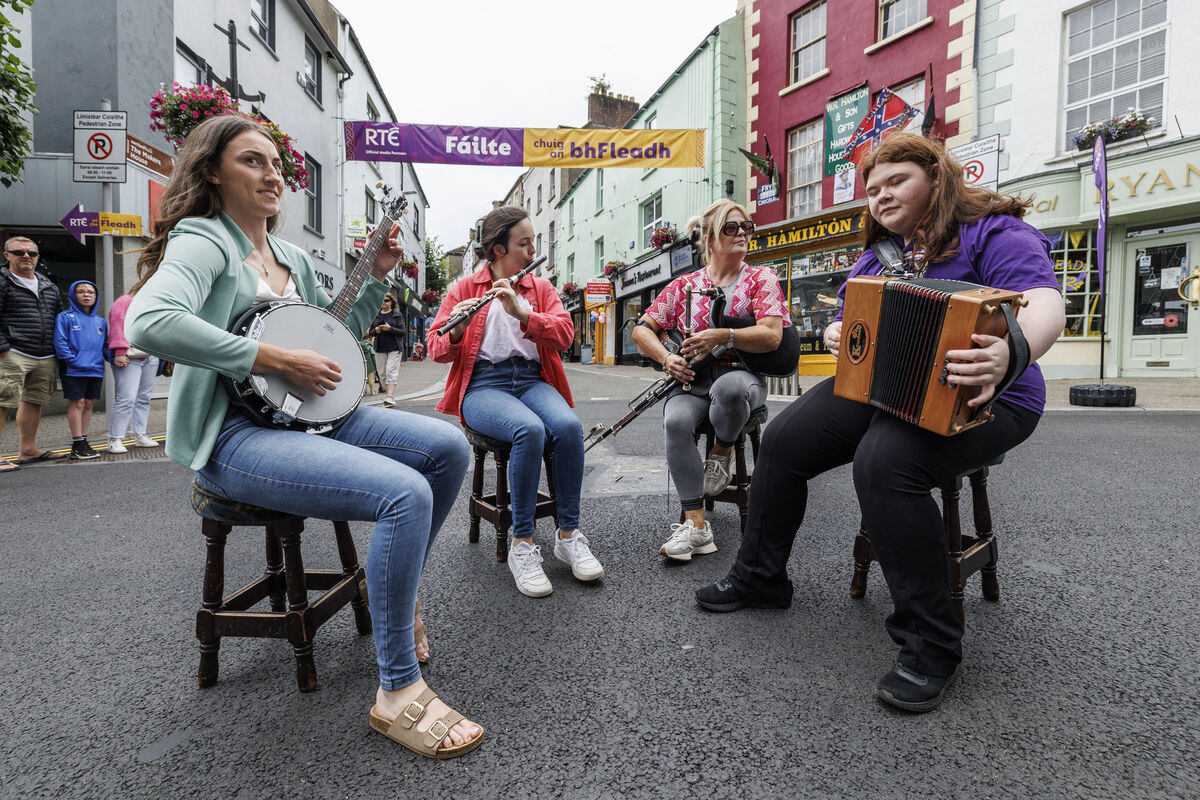
I give you Comhaltas Ceoltóirí Éireann. The kind of rare people giving words like “organisation”, “bureaucracy” and “non-profit” a good name.
Comhaltas was founded in 1951 by a group of musicians, concerned Irish trad was in decline. It now has 400+ branches around the world, promoting and preserving our music, dancing and language.
It runs weekly classes, periodic events and celebrations and sessions, and annual competitions. We’re currently gearing up in Clare for the County Fleadh, from Sunday June 8. Do well in that and it’s onto the Munsters in Cork in July, and who knows? Maybe All-Ireland glory in Wexford this August. As the song goes, it’s the most wonderful time of the year.
Comhaltas has branches in places you’d expect — US, UK, Australia — and some you might not: Colombia, Singapore, Patagonia, Japan. (Irish trad is massive in Japan especially, thanks mainly to Comhaltas. How’s that for thinking global?)
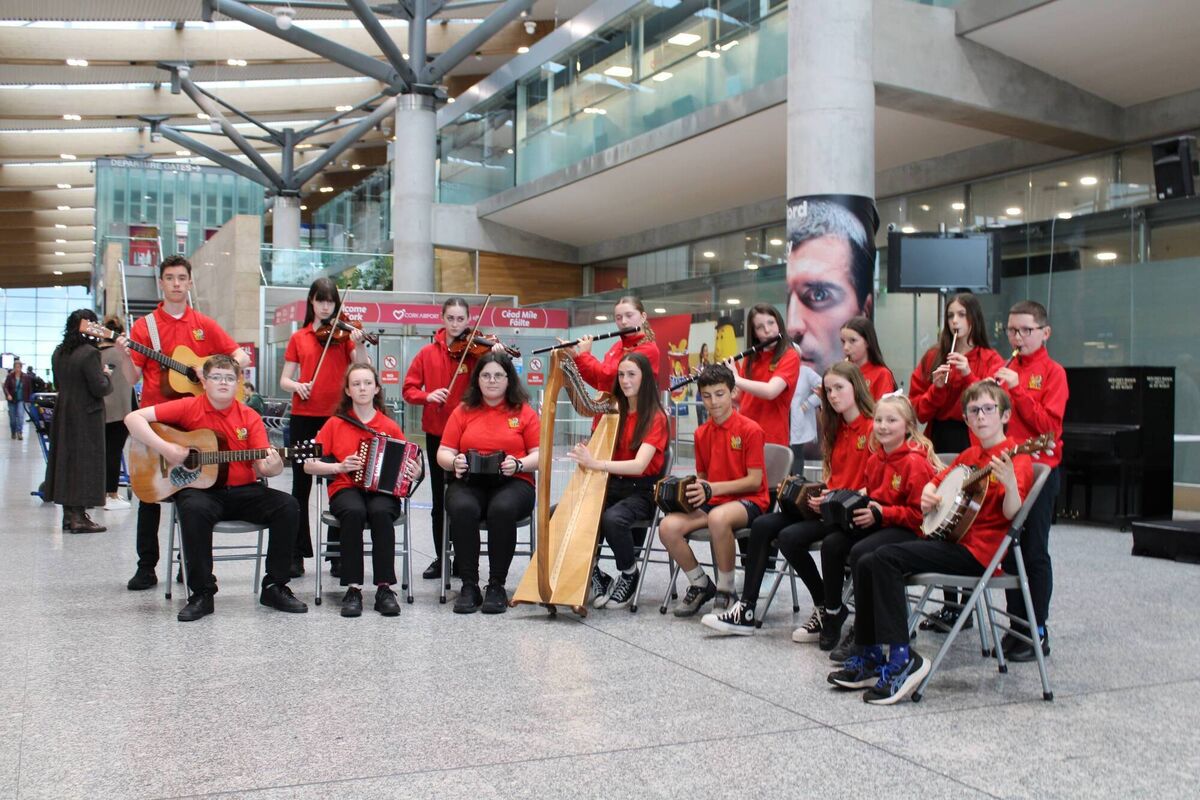
And it's fantastic in what it does, the definition of “volunteer spirit”; it's making the world a better place, one local step at a time, without asking or needing to be paid. Though that makes it all sound so worthy and po-faced, and getting involved in Comhaltas really isn’t like that at all.
It’s fun. It’s craic. It’s meeting people and doing things. It’s hefting chairs around a hall for the grúpa cheoil to assemble. It’s handing out wristbands for the fleadh.
It’s WhatsApp groups and Facebook photos and driving to rehearsals. It’s toting a harp case through a crowd and hoping to Jesus nobody bangs off the instrument — these things cost a lot of money. It’s reuniting lost fiddle bows with their owner and waiting nervously with other parents for competition results. It’s negotiating complex timetables so you can watch your kid’s u15 group and still make the finale of the senior sean nós dancing.
One remarkable feature of Comhaltas, and traditional arts in general, is how it brings genuine superstars of the genre to the grassroots level — globally renowned names and local involvement.
In my own case, for example, the Kilfenora Céilí Band were formed 30 minutes from where I live. In trad terms, they’re megastars: they’ve played abroad (including the Glastonbury festival), been on the several times, performed at the National Concert Hall and other prestigious venues.
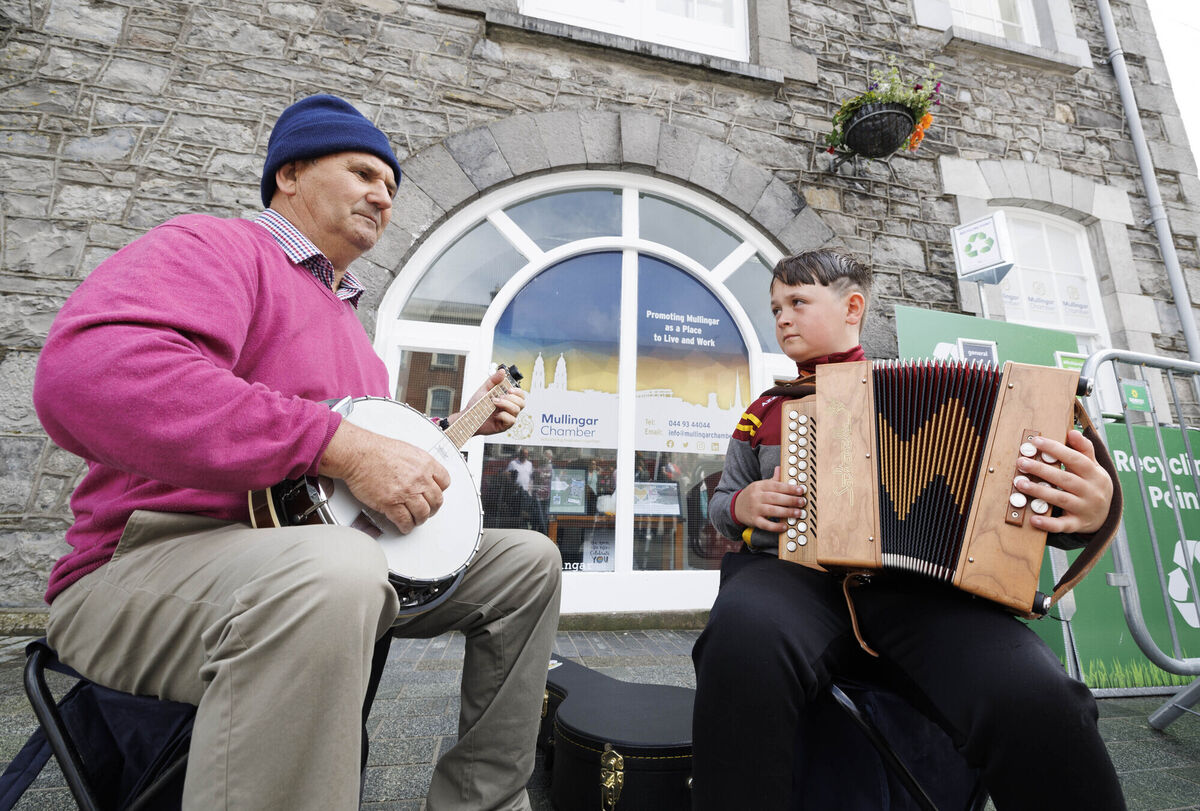
And I know several of them for years — just through normal life, and engagement with Comhaltas. They live locally. They teach my kids music and/or steer groups through competition. They’re neighbours and friends. Our children play sport together.
"One is a teacher in a nearby secondary. (Another is Sharon Shannon’s brother, incidentally; he’s in a neighbouring branch, and there’s great friendly rivalry every summer.)
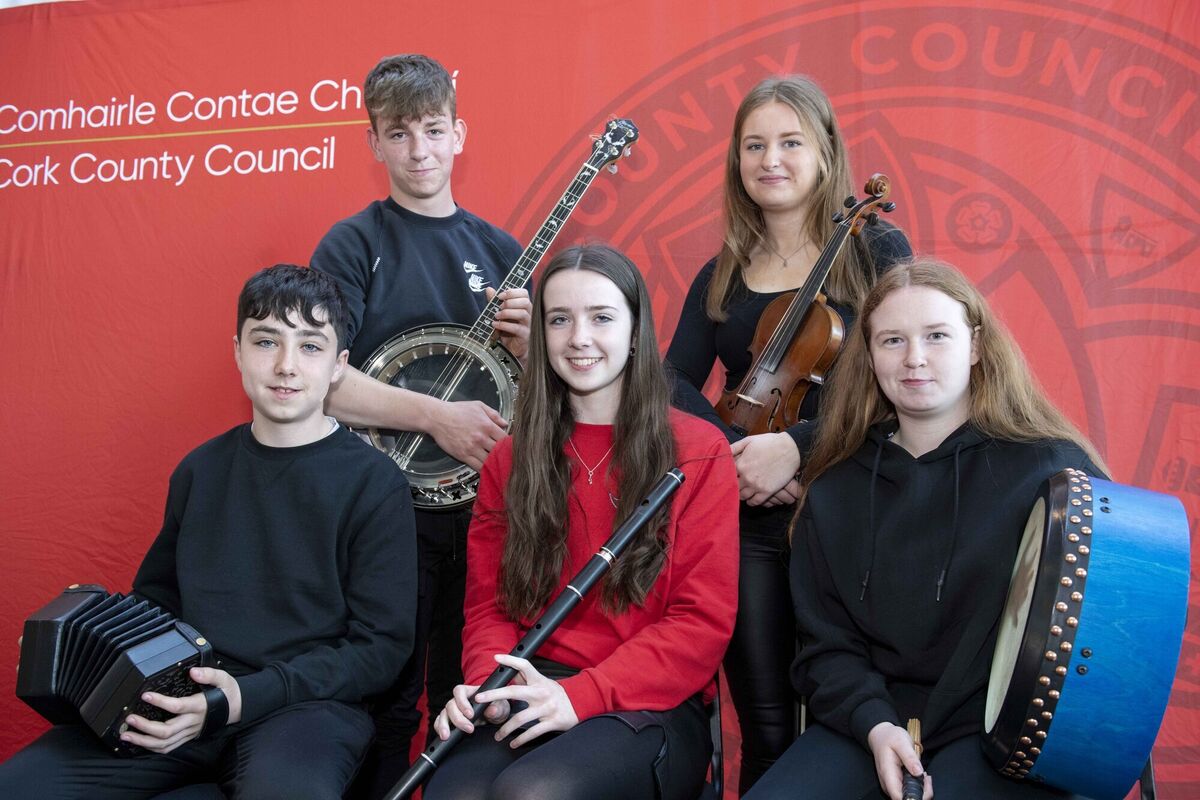
And it’s mad, you’re chatting to these people about the humdrum stuff of day-to-day and then they might say something like, “Sorry, we have to head off, we’ve to be in RTÉ by seven”. I love that. It’s what life should be about, really: incredibly talented artists, but also regular people who are deeply engaged on a local level.
It’s the kind of thing you only really get in “roots” music. The rock equivalent would be The Edge teaching your kids guitar at the community hall, or Taylor Swift administrating a WhatsApp group called 'U12 county final 2025'.
Funny, I was never a trad person growing up, and in fact still today am far more likely to listen to, or (badly) play, rock music or electronica or almost anything else, really, on CD or radio or YouTube.
But there’s something magical about trad music and dance, when it’s live and in person; when you’re involved to some degree, not just passively consuming. It’s global, it’s local, it’s magical, it’s Comhaltas.
- Fleadh Cheoil an Chláir takes place in Ennis this weekend. See clarecomhaltas.com for information


CONNECT WITH US TODAY



Be the first to know the latest news and updates