Ireland's animal welfare system is unfit for purpose and animals are suffering because of it

Dogs seized from an alleged puppy farm in Co Louth: 'Ireland is often referred to as the puppy farm capital of Europe, and with good reason. Legislative loopholes, low enforcement capacity, and political inertia all contribute to this ongoing cruelty.'
You smell it before you see it.
Rotting straw. Faeces. Sour milk. The air inside an illegal puppy farm hits your throat like poison. Tiny puppies, barely more than bone, shiver in wire crates. Their mothers lie silent in the dark, bodies worn out, teats raw from relentless breeding. No daylight. No clean water. No kindness.
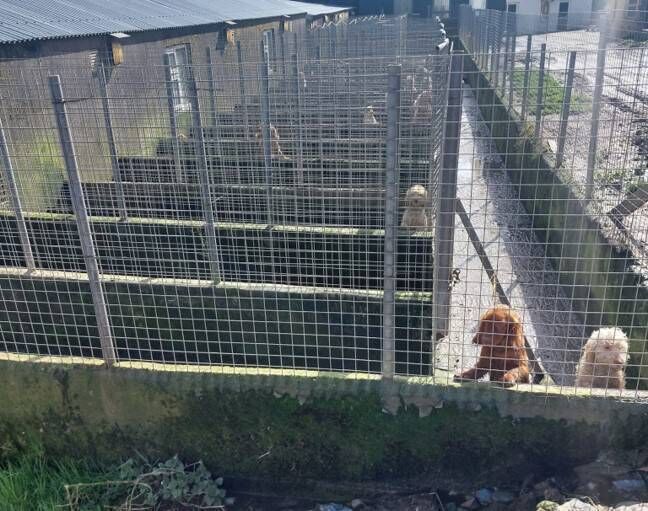
And this is happening in Ireland. Right now. In sheds, garages, and backyards, hidden in plain sight. We don’t need to look abroad for horror stories. We are living one.
Shelters are full. Rescuers are burning out. Animals are dying.
Across the country, animal rescues are at crisis point. Dogs are being surrendered or euthanised in record numbers. These are not only strays, but pets bred for profit and discarded when no longer wanted.
Common reasons include: “Too much work.” “Too rough with the baby.” “No time anymore.”
Ponies are mistreated in housing estates. Horses are dragged along national roads by children on e-scooters. These are dangerous acts that threaten both animal welfare and public safety.
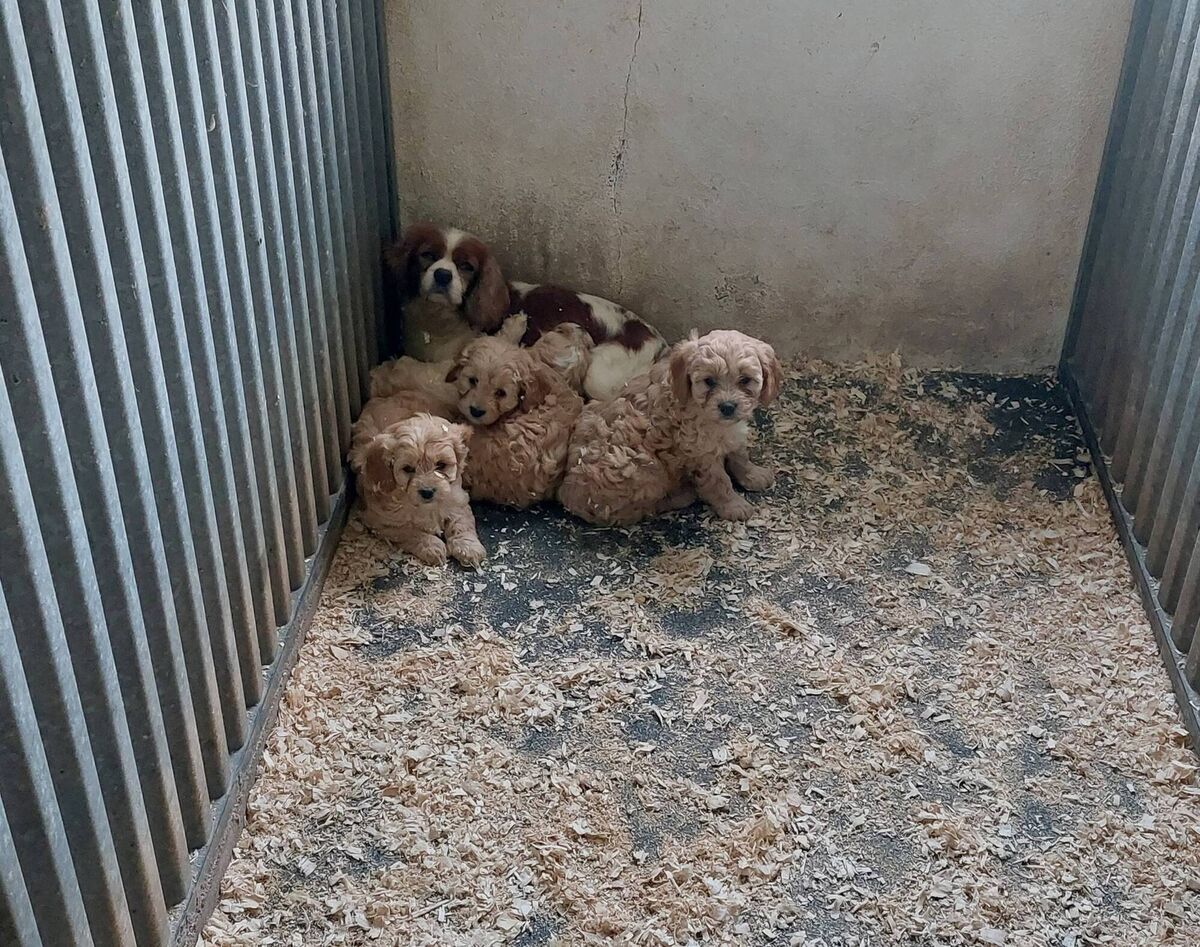
Meanwhile, puppies bred in filthy sheds are sold through unregulated online platforms and private messaging apps. Some are taken in by irresponsible owners or used for more backyard breeding.
In some reported cases, there are links to dog fighting. When breeding females are no longer profitable, they are quietly destroyed or abandoned.
The public usually sees only a fraction of this, a Facebook post, a call for help. But behind every image is an exhausted volunteer, an unpayable vet bill, and a shelter with no room left. This is not a temporary crisis. It is a national abandonment.
Inside unlicensed breeding operations, female dogs are bred over and over, sometimes re-impregnated just weeks after giving birth. The damage to their bodies and minds is immense.
Under Irish law, anyone can keep up to five breeding females without registering as a dog breeding establishment. This loophole enables individuals to sell dozens of puppies every year with little oversight, often untaxed and unregulated.
This is not care. It is industrial-scale reproductive abuse. Ireland is often referred to as the puppy farm capital of Europe, and with good reason. Legislative loopholes, low enforcement capacity, and political inertia all contribute to this ongoing cruelty.
Political momentum is growing, but action is what matters. In recent months, a number of TDs have raised concerns in the Dáil:
- Labour Party TD Eoghan Kenny has called for a national plan to tackle horse abuse;
- Fianna Fáil TD Seán Ó Fearghaíl highlighted welfare issues in housing estates;
- Fianna Fáil TD Pádraig O’Sullivan questioned enforcement failures in Cork North Central;
- People Before Profit TD Paul Murphy proposed a taskforce to shut down illegal breeding operations;
- Fianna Fáil TD John Lahart urged the appointment of a national director of animal welfare;
- Fianna Fáil TD Cathal Crowe said: “This approach to horse welfare is ludicrous, grossly unfair to the horses, and presents a woeful image of our towns and cities.”
These are important voices, and their support is welcome. But statements alone won’t save animals. We need enforcement, legislation, and real resources.
Animal cruelty does not happen in isolation. It is a well-established warning sign for other forms of violence:
- In Ireland, 57% of women in domestic violence refuges report pet abuse by their partners;
- In the UK, 70% of domestic abuse survivors say their pets were harmed or threatened;
- In the US, the FBI tracks animal cruelty as a high-level offence. Ninety-six percent of offenders also face charges such as domestic violence or child abuse;
- In Canada and Australia, animal abuse is considered in child protection and domestic violence risk assessments.
One encouraging initiative: the DSPCA now provides temporary foster care for pets belonging to domestic abuse victims. This trauma-informed service saves lives. But it is the exception, not the norm. We urgently need a coordinated national framework.
The Department of Agriculture currently holds responsibility for both promoting animal industries and regulating their welfare. This structural conflict makes truly independent oversight difficult. This is not an accusation. It is a call for reform. Enforcement must be independent, properly resourced, and free from commercial influence.
Many gardaí want to act. But without a national structure, clear protocols, or proper training, they are often left unsure of what they can do, who to contact, or how to respond safely. We urgently need an animal welfare crime unit within An Garda Síochána. Such a unit would:
- Investigate and prosecute cruelty and illegal breeding;
- Track repeat offenders;
- Share data between shelters, councils, and gardaí;
- Integrate animal abuse into wider safeguarding systems.
Ireland’s animal welfare system is not just in crisis. It is collapsing. But the solutions are in plain sight.
We need independent enforcement. Stronger laws. Reliable funding for shelters. Gardaí who are trained and empowered. And a commitment to treat cruelty not as a niche concern but as a sign of deeper harm in our society.
If we fail to act, we’re not just failing animals. We’re failing ourselves. Because every day without action is another day an animal suffers in silence.
- Kerry Pollock is head of animal welfare advocacy at My Lovely Horse animal rescue

CONNECT WITH US TODAY



Be the first to know the latest news and updates