Young people understand the urgency of the climate crisis
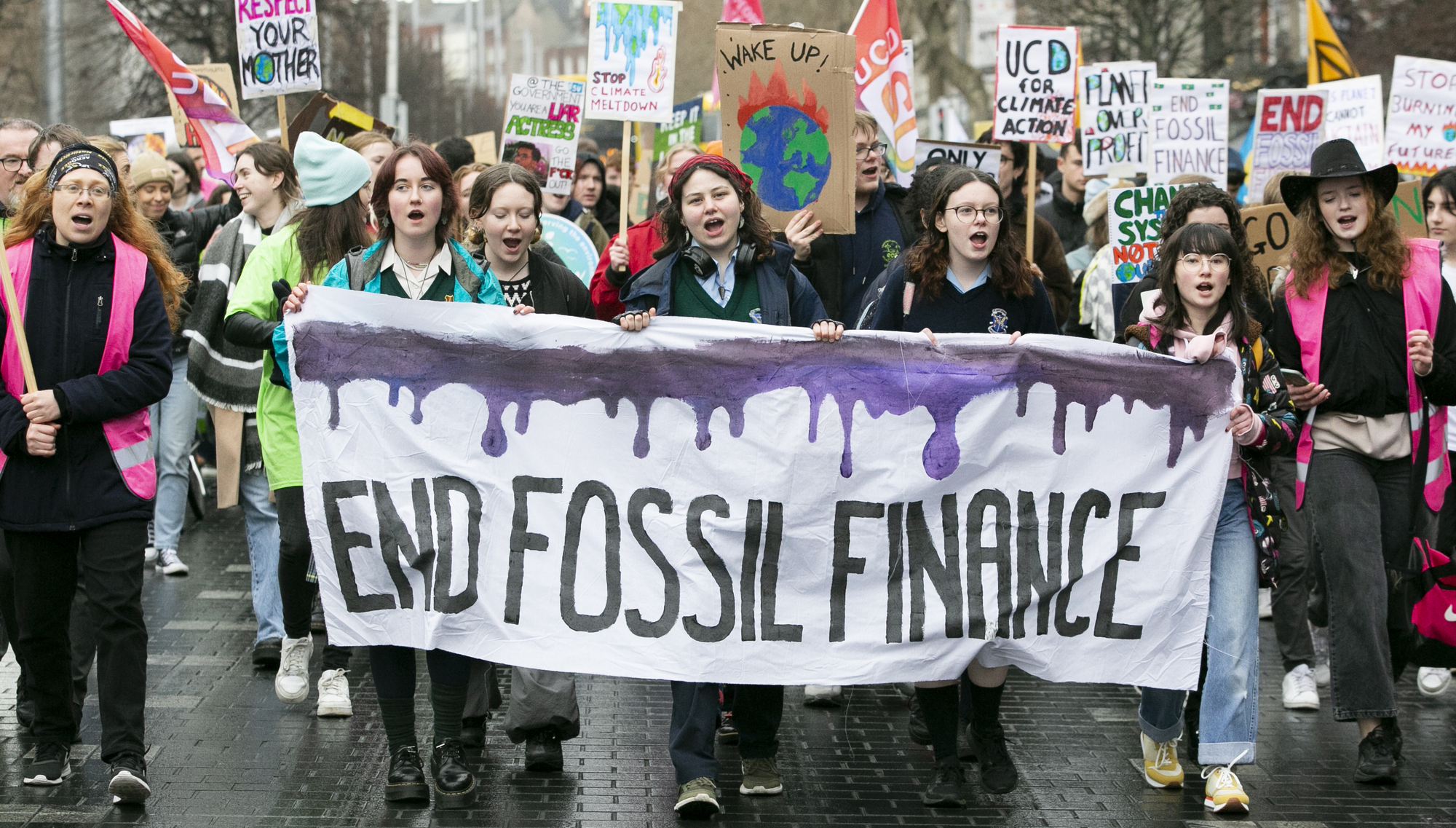
Members of the Students Climate Coalition (TU Dublin, TCD, UCD, UOG, UCC and NCAD) protesting against fossil fuels and fossil finance in Dublin in 2023. File photo: Gareth Chaney/Collins
As the world marks another Earth Day, events to raise awareness around the climate crisis will be happening across the globe. Since Earth Day’s foundation in 1970 young people have been at the forefront of climate action and activism, understanding that future generations will inherit the planet, whatever state it is in.
While Ireland’s greenhouse gas emissions per capita have lowered slightly in recent years, they are still among the highest in Europe, according to the Central Statistics Office.
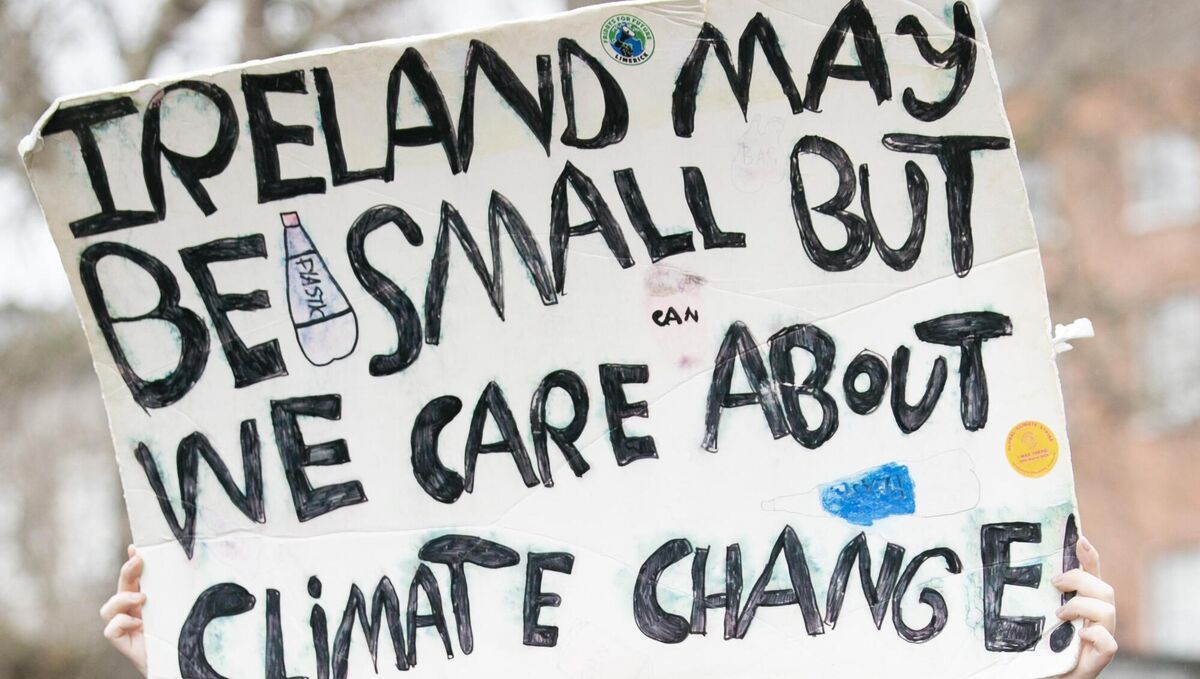
The Lancet Countdown Report 2024 found that children born in Ireland today and their peers around the world face malnutrition, a shorter life expectancy, and a myriad of other health hazards caused by the climate crisis.
Young people are acutely aware of this reality, and it is having a significant impact on their mental health. Research from ECO-UNESCO carried out in partnership with spunout found that 96% of young people are concerned about the climate crisis.
Over half of young people reported feeling anxious and fearful when they thought about it. Despite these fears, the climate crisis has also inspired young people to take their future into their own hands. 37% reported that thinking about it made them feel eager to act.
This impetus to act has led to some of the largest climate movements in history. In 2018, Greta Thunberg, then just 15 years old, began striking from school until her home country of Sweden aligned with the 2016 Paris Agreement.
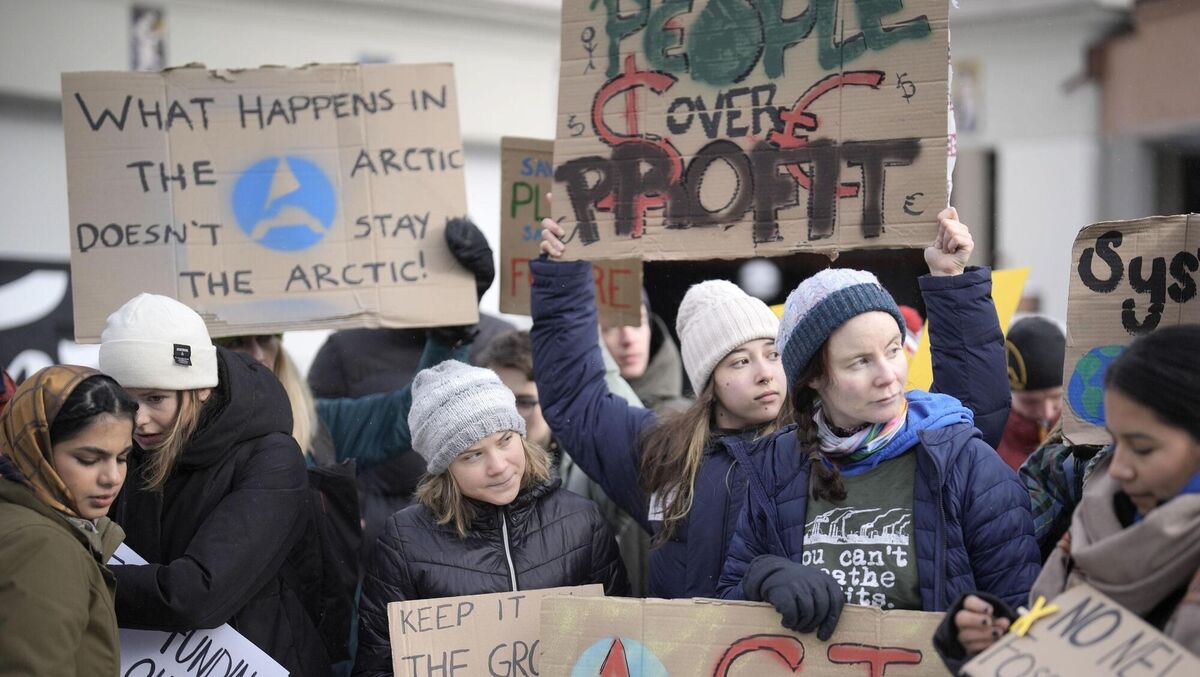
Her actions inspired millions of students across the globe to take part in global school strikes, pushing the climate crisis up the political agenda. The Paris Agreement now binds almost all the countries of the world, including Ireland, to reduce the rise in global temperatures to below the expected catastrophic forecast of 2 degrees.
While many factors, including the covid-19 pandemic and barriers to participation, have caused the momentum behind these strikes to wane in recent years, the majority of young people in Ireland are either involved or want to get involved with climate action.
The voices of young people continue to be crucial in raising awareness and pushing for meaningful action on the climate crisis.
In Ireland, the intersection of the climate crisis and social inequality is becoming more pronounced. The Economic and Social Research Institute (ESRI) estimates that almost a third of households are experiencing energy poverty. This is not only an economic issue, it is also a matter of public health.
Home conditions can have an impact on the health of those living there, with energy poverty identified as a public health concern in Europe and internationally. Research published by ESRI researcher, Gretta Mohan, found that there are higher odds of respiratory illness among young children in households experiencing energy poverty.
And it is not just children who are vulnerable to the impacts of energy poverty, people living in rental accommodation, Traveller communities, the elderly, low-income households and lone-parent families are all also disproportionately affected.
These vulnerable groups may be at a social disadvantage already and are likely to be living in houses with low energy efficiency, or unable to keep up with rising energy prices or rent.
It is important that any measures taken to combat energy poverty and move away from fossil fuels take the needs and lived experiences of these groups into account. If not, we risk leaving the most vulnerable in society behind.
The good news is that energy poverty and the climate crisis are interconnected and both can be tackled through smart policy decisions. These include supporting and promoting the retrofitting of homes and the use of renewable energy by households.
However, the responsibility to stop the climate crisis cannot land on the individual, while governments and corporations continue to burn fossil fuels and ignore their binding Paris climate targets.
While young people may be leading the way on climate justice, it is clear that urgent government action is needed to tackle the climate crisis that we are facing.
Earlier this year, a report by the Irish Fiscal Advisory Council and Climate Change Advisory Council found that if the State continued with its existing climate policies and took no further action, it could be hit with fines or costs of between €8 billion and €26 billion.
This is money that could be better invested in Ireland's future through funding youth mental health services and investing in housing and youth work.
ECO-UNESCO’s research found that 75% of young people felt there was not enough being done to tackle the climate crisis. They identified changes in government policy as one of the key areas that needed to be addressed. While some positive progress has been made, more action is needed.
With last month being the hottest March on record in Europe and more heatwaves and wildfires expected this summer, the climate crisis is too urgent to be left on the back burner.
Climate inaction is no longer just an environmental issue, it’s a mental health crisis, a public health concern, and a threat to future generations. Young people have been shouting for long enough. It’s time the Government listens.
- Rebekah Connolly is the head of content at spunout, Ireland’s youth information and support platform

CLIMATE & SUSTAINABILITY HUB
CONNECT WITH US TODAY



Be the first to know the latest news and updates