Angie Gough: Leadership means living our values, even when the road ahead is unclear
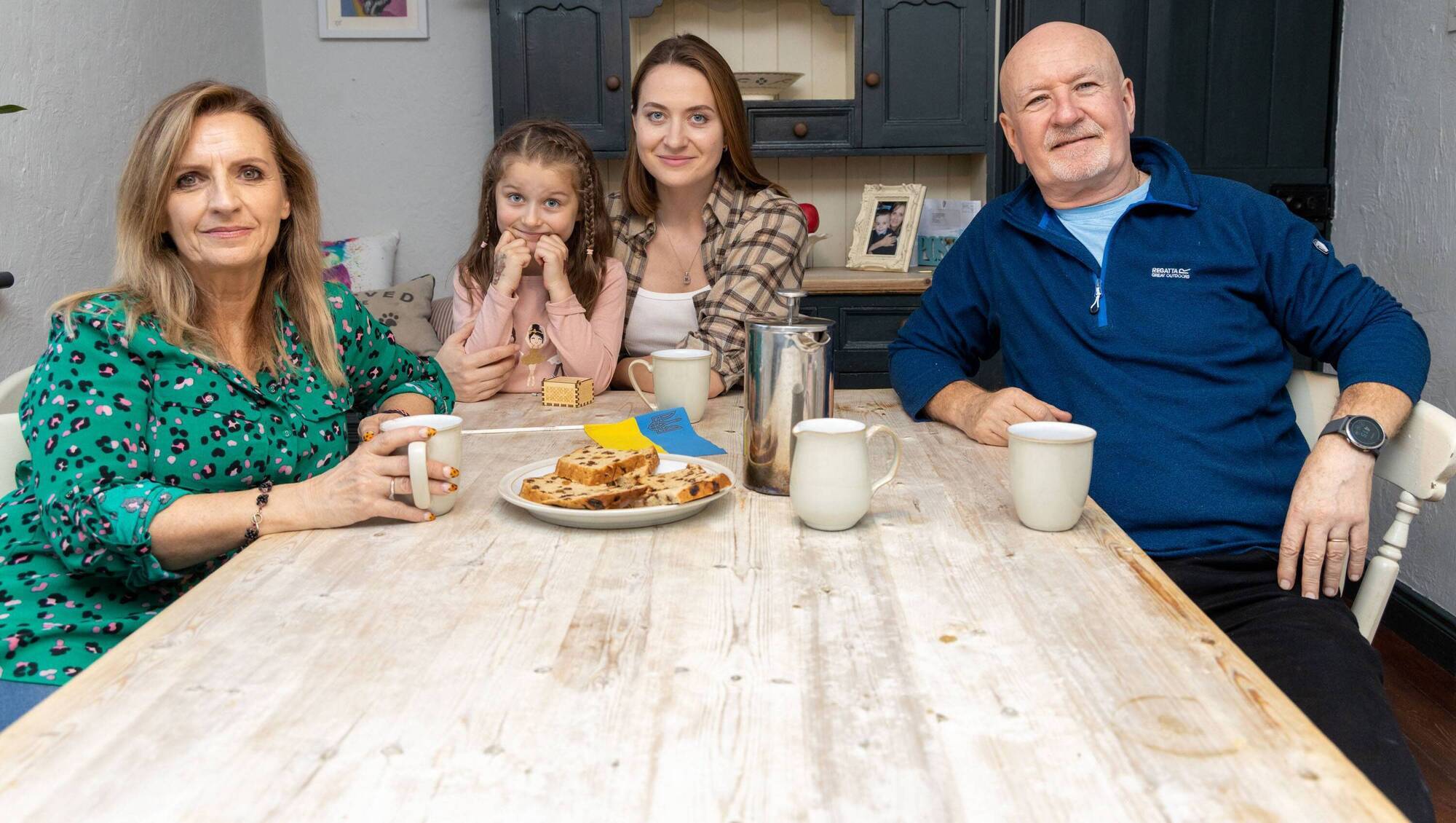
Tony and Sheila Kenny at their home in Crettyard, Co Laois, with Katya Shelepova and her daughter Alisa Maneichyk from Ukraine: Today, 37,000 displaced Ukrainians live in 16,000 host homes — an extraordinary, community-led response on a scale Ireland has never seen before. Picture: Alf Harvey
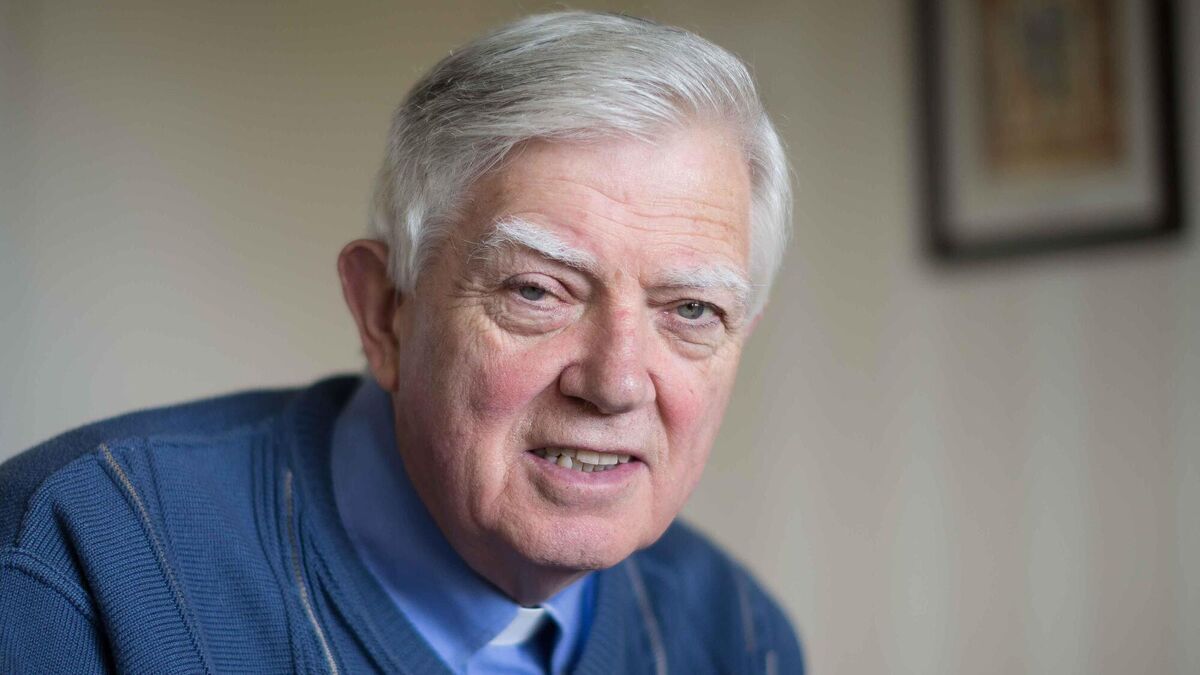
Last month, I had the honour of speaking at a prayer service for the late Bishop Willie Walsh in Ennis. It was personal, but really, I was speaking for so many of us who loved him — the ones he listened to, walked alongside, and quietly lifted up. Not because we were powerful, but because we were people. And people really mattered to him.
His passing has me reflecting on leadership. His, mine, and the kind we need more of in the world.
As chief executive and co-founder of Helping Irish Hosts, I’ve had to make difficult decisions, navigate uncertainty, work with others to build and lead an organisation responding to crisis.
In those moments, I often thought of Willie, not for direct advice (though I turned to him plenty of times), but because his way of being in the world was a lesson in itself. Leadership, I’ve learned, isn’t about control or status. It’s about living your values, especially when the road ahead is unclear.
Cineáltas Chríost — the kindness of Christ. That was Willie’s motto, his values condensed. But it wasn’t just words. It was the foundation of how he led: with kindness, compassion, and consistency.
That consistency gave him — and those around him — strength. He saw the best in us, and that helped us see it in ourselves. It’s a lesson I’ve learned in my own leadership.
At Helping Irish Hosts, everything evolves — policy shifts, crises arise, funding waxes and wanes — but our values keep us steady. Be real. Be respectful. Be responsive. Have courage. Be kind. If we hold to them, we won’t go far wrong.
Leadership isn’t about never changing course; it’s about staying anchored to your values while adapting to the road ahead. That’s what builds trust. That’s what makes people follow you through uncertainty.
Franciscan writer Richard Rohr describes leadership as a balance between action and reflection — knowing when to speak and when to step back, when to push forward and when to create space for others. Willie lived that balance instinctively.
I’m no Franciscan, but at HIH HQ, there’s a proverb on our door: “If you wish to move mountains tomorrow, start by lifting stones today.” Leadership isn’t about grand gestures — it’s about the quiet, steady work of showing up.
Willie understood that. When he opened his home to the Travelling community or walked his Pilgrimage of Reconciliation, he wasn’t looking for recognition, he was doing what he believed was right. And because of that, his actions gathered momentum, softened hearts, and set the tone for his leadership.
Real change happens step by step, through consistent acts of courage and kindness. Most of all, it happens when people reflect and act together.
Often, our values come up against systems that resist them.
That’s a problem I've wrestled with many times. Institutions can be slow, bureaucratic, self-preserving, frustrating. I sought counsel on it — from Willie and others — more than once. When is it time to break away, and when is it time to stay in the room?
The answer: if you’re not there, you can’t make a difference. Institutions change from the inside. If you walk away, you lose your voice. If you stay, you might just soften hearts.
I’ve chosen to stay, for now. But there’s also a time to walk away, and when that time comes, I’ll be okay with it. What matters is knowing the difference — and making the choice with integrity.
Change is rarely instant. But presence — persistence — matters.
When Ukraine was invaded, people across Ireland didn’t wait to be told what to do. In weeks, hosting became a national movement. Today, 37,000 displaced Ukrainians live in 16,000 host homes — an extraordinary, community-led response on a scale Ireland has never seen before.
Leadership in those moments wasn’t about certainty. At Helping Irish Hosts, it meant stepping into the unknown, listening, adapting, making it work as we went. It meant honest conversations about the realities of hosting — setting boundaries while welcoming with an open heart. It meant navigating bureaucracy, pushing for better systems, and keeping people at the centre of it all.
We were fortunate to have political leadership that recognised the value of what we were building — that understood the power of a people-driven response and backed it at the national level. That’s leadership at its best: empowering, not obstructing.
There were mistakes. There was exhaustion. There were moments it felt like too much. But we kept going — not because we had all the answers, but because leadership means walking the road, even when you don’t know exactly where it leads.
I thought of Willie often in those moments. He never let fear of getting things wrong stop him from doing what was right. A few bum notes never stopped him from singing in the choir.
That’s the kind of leadership I try to live by. The kind I seek out in others and want to see more of in the world. There’s plenty of it out there.
Too often, leadership is hollowed out by power and self-preservation. Institutions claim ownership of people and stories, shutting out the very voices that give them meaning. In doing so, they don’t just weaken those voices — they weaken themselves.
Institutions followed — sometimes reluctantly, often cautiously. Now, as global forces shift, new ministers take office, and departments reshape priorities, Ireland risks losing what made its response so powerful in the first place.
Ireland’s response — messy, imperfect, but full of heart — worked because it trusted and empowered those closest to the work. If we want to sustain that impact, government must keep real, lived experience at the heart of policy — not sidelined by process or structure.
Because when you push aside the people who do the work, who hold the knowledge, who show up - not for power, but for purpose - you don’t strengthen leadership. You erode it.
If we want better leadership in our communities, in our politics, in our workplaces, we have to start by expecting it of ourselves.
Living our values isn’t about words — it’s about action. It means showing up when it’s hard, standing by people even when there’s no applause, listening, and making decisions that align with what we truly believe.
That’s what real leadership looks like. That’s what I learned from Willie, not through grand gestures, but through the way he lived.
Consistent. Kind. Anchored in his values, no matter where the road took him.
That’s the kind of leadership that lasts, the kind I’m striving to carry forward.
Because leadership isn’t about knowing the way.
It’s about having the courage to walk it.
- Angie Gough is co-founder and chief executive of Helping Irish Hosts

CONNECT WITH US TODAY



Be the first to know the latest news and updates