A second Trump administration could be bad news for the Palestinian population
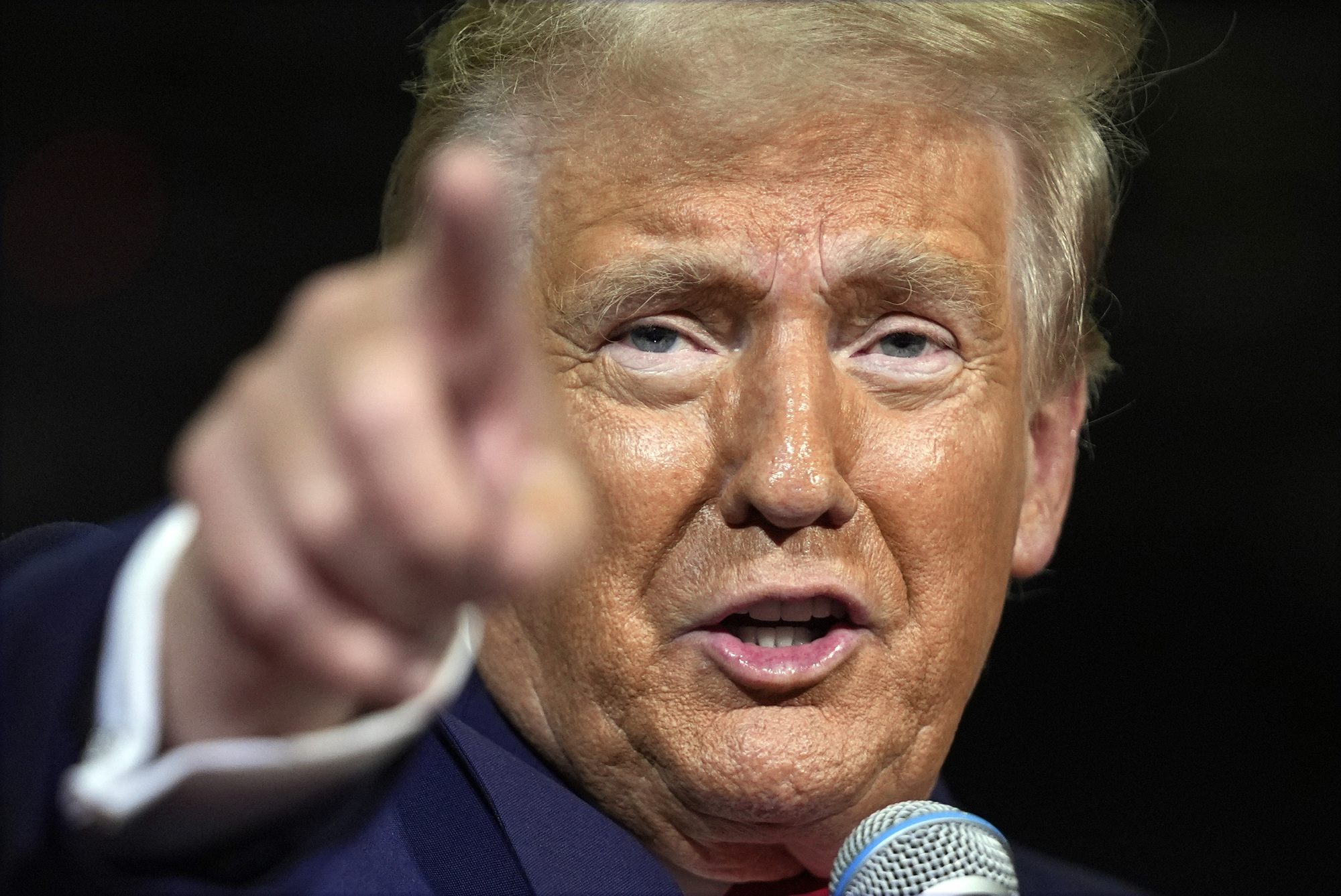
Donald Trump’s claim that, if elected, he will end both wars in Gaza and Ukraine, will resonate with many voters on November 5. Picture: AP/Evan Vucci
On September 6, Colin Grey, the father of a 14-year-old-boy who shot and killed four people in a Georgia high school, was charged with second degree murder. He had given his son a semi-automatic rifle, similar in design to an AR-15 Colt, as a Christmas present.
No doubt when the case comes to trial, the father, like many in the US who embrace the American gun culture, will claim he gave his son the rifle in order to defend himself. The placing of such a severe charge against the father is, however, an acknowledgement the father should share the blame for the consequences.
So, when the US gives lethal weapons and munitions to Israel, it is also acknowledging the right of Israel to defend itself. On the other hand, when Israel uses US-supplied munitions to kill 42,500 people in Gaza, does the US, like Colt Grey’s father, not also share the blame for the resultant casualties?
After a year of airstrikes on Gaza, there is sufficient evidence to indict Israel, at least for multiple violations of the principle of proportionality. Estimates of combatants among the approximately 42,500 confirmed dead in Gaza vary, from 10% to 30%. This means that between 70% and 90% of that number were innocent men, women and children.
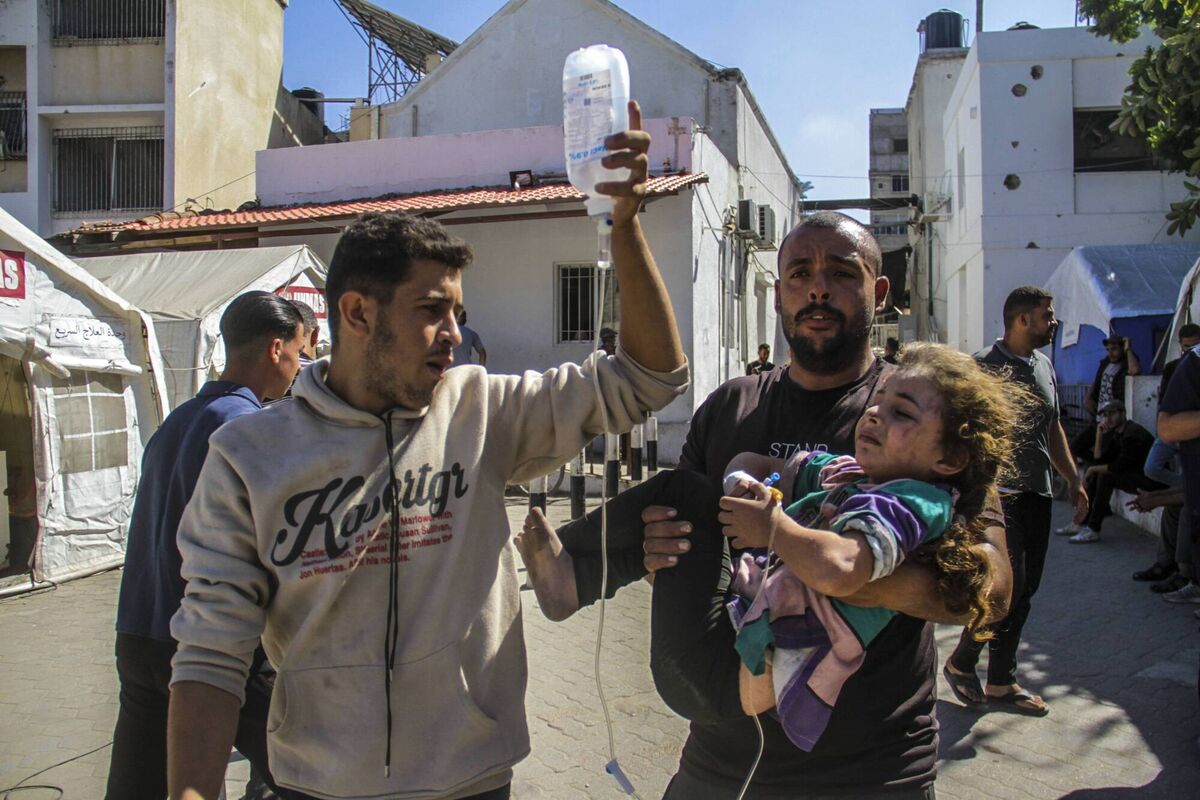
The total to date of Israeli Defence Forces (IDF) personnel killed since the ground offensive into Gaza began is 357.The disproportion is shocking, about 120 Gazans were killed for every single IDF soldier. Causing disproportionate casualties among civilians is a war crime.
The Biden administration was continuing to supply munitions to Israel even after it was known the IDF had most probably incurred multiple violations of the principle of proportionality.
While the Biden administration, in good faith, tried hard to broker a ceasefire in Gaza, it has been unable to get agreement. In the election campaign, the US failure to get a Gaza ceasefire deal is a big negative for vice-president Kamala Harris’s campaign. Former president Donald Trump’s claim that, if elected, he will end both wars in Gaza and Ukraine, will resonate with many voters on November 5.
But could the Biden administration still pull a rabbit out of the hat? There is a faint light at the end of a dark tunnel.
In a recent briefing on the war in Gaza, IDF spokesman Lt Col Peter Lerner signalled what may be a resetting of Benjamin Netanyahu’s priority stated war aim in Gaza. Col Lerner said Hamas no longer had the capability to launch an attack on Israel “similar to the attack on October 7 last year".
This criterion was briefly used by US negotiators when the first ceasefire proposals were proposed to Israel and Hamas. There are also reasons to believe the Israeli negotiators, at that time, may have gone along with that important qualification.
However, from the beginning of the conflict, Netanyahu has consistently stated the war objective was the destruction of Hamas. This was interpreted as the destruction of Hamas’s military capability to attack Israel, full stop. Attacking Israel included firing rockets into Israel.
The “capability to launch a October 7 type attack” modification, was rejected by Netanyahu. His view was that, if a permanent ceasefire was implemented, Hamas, if not totally destroyed, would potentially be able to reconstitute the military capability to launch a October 7 type attack within a year or two.
As the information war progressed, the IDF was hyping up the success of the war, based on inflated estimates of ‘terrorists’ being killed.
In May, it declared Hamas’s military capability was degraded by 90%, and only four battalions remained, all in the Rafah area. Some weeks later, Netanyahu himself announced the operations against Hamas in Rafah were winding down, with more than 2,000 ‘terrorists’ being killed, and that the IDF was switching its main attention from Gaza to the northern Israeli border with Lebanon.
Nevertheless, in mid-October, the IDF is still engaging targets in Gaza, on a daily basis, and the death toll among the civilian population is still rising, although not at the same rate as during the first half of the year.
From previous analyses, I believe there are several thousand Hamas fighters still alive in the tunnels. The IDF must know this. Lerner’s mentioning of the qualification to the war objective, redefining what constitutes the destruction of Hamas’s military capability, could be significant. It could be the key to reopening the negotiations on a ceasefire in Gaza.
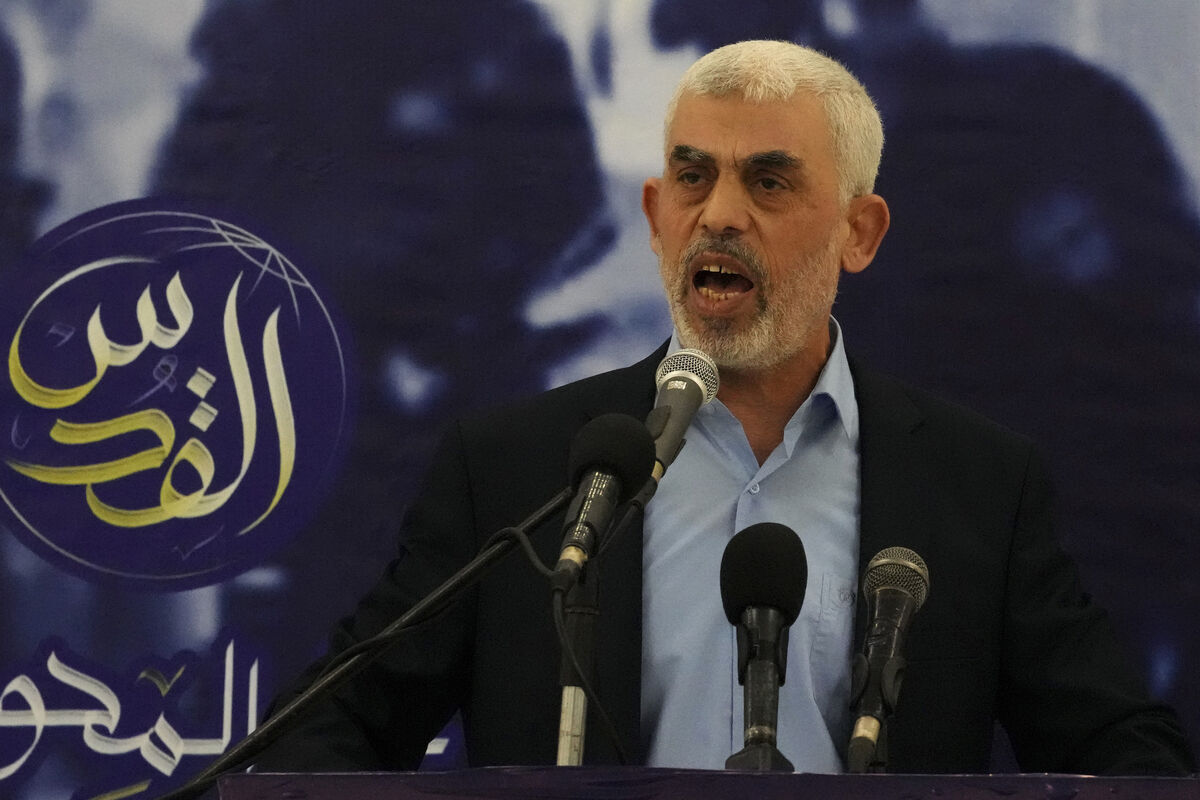
Moreover, the death of Hamas leader Yahya Sinwar could encourage the Israelis to reengage meaningfully with the suspended US-brokered ceasefire negotiations.
At the end of the last round of fighting in May 2021, I called for an international peacekeeping force to provide security in Gaza. Since this current war began, I have reiterated that call. Gaza should be demilitarised, with neither Hamas fighters nor the IDF remaining, and replaced by a peacekeeping force with a strong mandate.
That is the context in which, in previous articles, I have said the remaining Hamas fighters should leave under a flag of truce and go into exile. War criminals should be brought to justice by national courts or by the ICC.
Israel may be losing the information war abroad, but Netanyahu still has popular support at home. The latest opinion polls show his party, Likud, is back on top again. In coalition forming, he is leaning more for support from the right-wing parties. Some of the latters’ views on the future of the Palestinian occupied territories are extreme, and raise, inter alia, the spectre of genocide.
He also proposed dropping a nuclear bomb on Gaza as an option. He is still in the Israeli cabinet.
A month ago, Netanyahu announced he was considering the so-called Generals’ Plan to root out Hamas from Northern Gaza. The population of Northern Gaza has been reduced from 1.2 million to 400,000. The Generals’ Plan provides for the removal of the remaining 400,000 by blocking all aid entering the area.
Its author, Maj Gen Giora Eiland, has pointed out “a siege is not only an effective military tactic, it is also compliant with international law”. However, blocking all aid means starvation. The deliberate starvation of civilians is a crime against humanitarian law.
Palestinian and Israeli media indicate the plan is presently being implemented, with the intensification of Israeli air strikes inflicting heavy casualties among the civilian population in the Jabalia area. On October 16, the US administration gave Israel 30 days to allow humanitarian aid to access the area.
The outcome of the US presidential election on November 5 could be crucial for the future of the present conflict in the Middle East. A Harris administration, with EU backing, could get Israel to agree an end to the conflict.
In 2021, Trump made a number of concessions to Israel including recognising its annexation of the Israeli-occupied Golan Heights. If elected to a second term, he won’t have to worry about having to face the US electorate again.
Would Trump support Israel if it went for broke and annexed all, or part of, the Palestinian occupied territories? The prospects of achieving progress towards a two-state solution during a second Trump administration seem increasingly remote.
- Dorcha Lee is a retired army colonel and defence analyst


CONNECT WITH US TODAY



Be the first to know the latest news and updates