Budgetary policy to improve health needs to shift from treatment to prevention
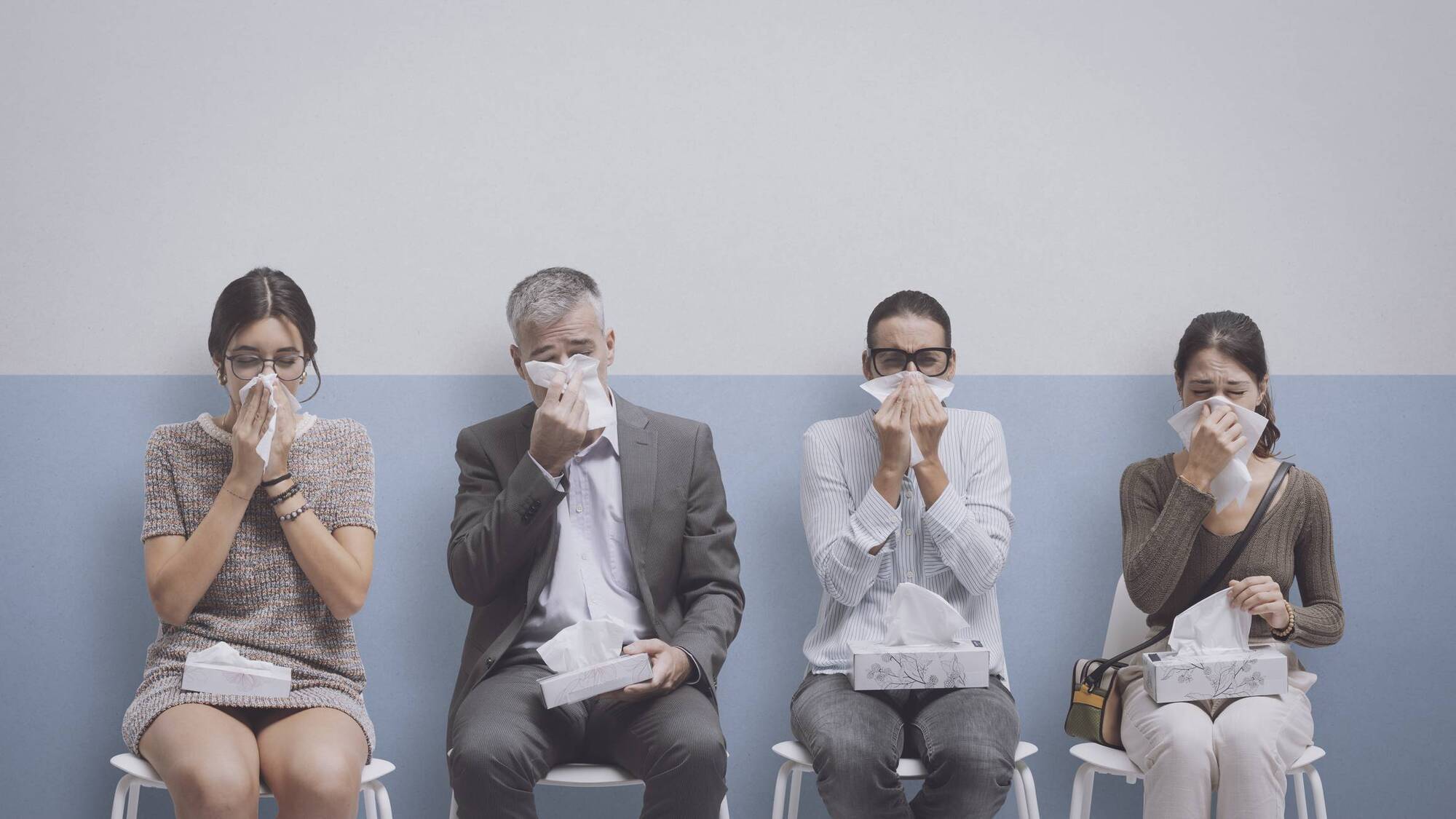
Patients wait for hours, sometimes days to be seen in emergency departments. File picture
As winter approaches, the inevitable heightened pressure on hospital beds unfolds before our eyes.
Patients wait for hours, sometimes days to be seen in emergency departments. Elderly patients suffer the indignity of lying on trolleys waiting for beds that are non-existent, all the time risking more complicated admissions and sometimes tragic and avoidable deaths.
It doesn’t have to be this way. Focusing on prevention could alleviate the strain on overcrowded hospitals. Preventive measures such as promoting healthier lifestyles, improving access to primary care and early intervention can significantly reduce the number of people needing hospital care.
However, implementing these changes can be challenging and require a significant shift in healthcare policy, funding as well as public attitudes. The Irish healthcare system, like many others, is designed to treat illness rather than prevent it. Added to that, the infrastructure and resources needed to support preventive care is often lacking.
How can a shift towards prevention be encouraged? One measure is taxation. As Budget 2025 approaches, if we could get beyond ‘nanny statism’ and think in terms of prevention leading to longer lives spent in good health — physical and mental wellbeing could be transformed while simultaneously slicing pressure on beds.
In the 1970s, when I was growing up, there were almost no obese people in Ireland and hardly any children that were overweight. Today, almost one in four (23%) adults are obese and a third (37%) are overweight. Among those aged 65 and older, three quarters (75%) are overweight or living with obesity.

The transformation didn’t happen because of some new disease. It happened because of a toxic combination of factors that changed the way we eat, the way we move around towns and cities and constantly consume food to alleviate stress.
The new wave of obesity drugs are providing a highly effective treatment. Drugs such as semaglutide (Ozempic and Wegovy) change more than people’s bodies — they seem to change people’s minds. Not only do people feel full, they no longer have much interest in the foods they previously craved.
The concern is that while these new treatments are transformative in managing obesity they do nothing at all to alter the food environment that caused the disease.
The real question is why are we not fixing the food market directly instead of indirectly manipulating our gut and brain to alter our response to highly processed foods?
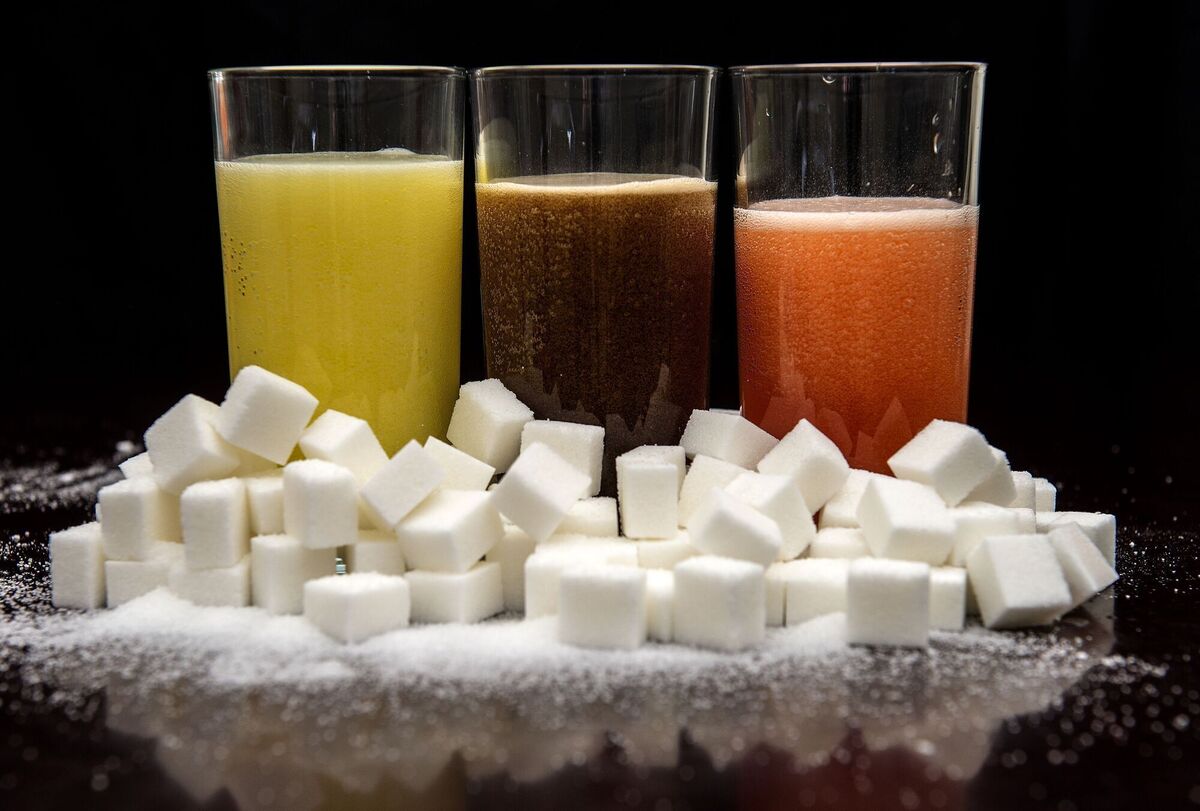
Last week, Health Minister Stephen Donnelly published the independent Evaluation of the Sugary Sweetened Drinks Tax (SSDT) that provided incontrovertible evidence of the impact of taxation not only on the consumption of sugary drinks but even more importantly on shifting the mindset of the drinks industry to reformulate its products so that they no longer fall into the bandwidth of the SSDT.
"Taxing unhealthy products is an important measure to help support healthier options and the SSDT is one of many tools to address obesity and reduce the risks of type 2 diabetes, cancer and other non-communicable diseases," it said.
The evaluation clearly shows the impact of the tax. In 2010, almost 6kg of sugar was consumed per person from carbonated drinks in retail settings. By 2022, this had fallen by over a third (37%) to 3.8kg per person.
"I’m confident that we’ll see the long-term health benefits of this significant reduction in the years to come, particularly in our children and young people.
"The findings from this Evaluation will help to inform the development of future fiscal policies to support public health," Mr Donnelly said.
Martin McKee, professor of European Public Health at the London School of Hygiene and Tropical Medicine, told Healthy Europe this month how the public is paying the price, in money and health, of the vast profits made by manufacturers of unhealthy products such as processed food and beverages, alcohol and tobacco, as well as fossil fuels that can cause cardiovascular disease, cancer, chronic respiratory disease and diabetes among other illnesses.
In other words, all those chronic diseases that result in hospital emergency departments overflowing with trolleys, and patients sitting for hours in emergency waiting rooms.
"Big Tobacco, Big Oil, Big Food and Big Pharma throw all their weight and financial power behind maximising their profits through lobbying and marketing. Above all, this involves as far as possible preventing or at least watering down or delaying all government measures aimed at reducing the sales of health-harming products," Prof. McKee said.
In terms of the SSDT that was first introduced by Mexico in 2014, a new report, Commercial Determinants of Noncommunicable Diseases in the WHO European Region (June 2024), outlined how industry lobbyists insist that this is not evidence-based, effective or necessary, and they issue false warnings of negative impacts on employment, the economy and vulnerable populations.
By June 2022, only one third of the 53 countries in the WHO European Region had implemented higher taxes on sugar-sweetened beverages. According to the WHO report, Norway repealed its long-standing excise tax on sugar-sweetened drinks in 2021, although as Prof. McKee noted: "The similar tax in the UK has been linked to reduced sugar consumption, lower rates of childhood obesity and better dental health."
The independent evaluation of the SSDT in Ireland has now been found to reduce consumption by a third and to drive the reformulation of healthier products. This success points to the next step being the introduction of a similar tax on unhealthy high in saturated fat, salt or sugar (HFSS) foods in Ireland.
A study commissioned by the Dietary Improvement Team at the UK Office for Health Improvement and Disparities found that a tax on this type of foods directly affects the sale of these products.
The review analysed findings from 20 separate country studies. According to Imperial College researcher, Dr Elisa Pineda, this research is a "crucial step towards helping countries create health policies that can significantly reduce the burden of disease and enhance the quality of people’s heath".
In Mexico, an 8% tax on non-essential, energy dense foods saw an 18% reduction in sales in supermarkets. The decrease was more noticeable among low-income groups, who were greater consumers of the taxed foods beforehand.
In Europe, several countries, including Denmark, Finland and Hungary have already implemented taxes on unhealthy foods.
The study also showed that high tax rates should be accompanied with subsidies on healthier foods, such as fruits and vegetables, to have a real impact on obesity levels and encourage healthier eating.
Taxation could also help to reduce obesity through reformulation by prompting brands to reformulate to avoid taxations, leading to all consumers buying healthier products.
These decisions need political courage to challenge the food industry and move the focus from immediate to both medium- and long-term health improvement.
Lecturer in Inequalities and Global Health Policy at the University of Edinburgh, Nason Maani on his podcast ‘Money, Power, Health’, summed up the conundrum faced by politicians.
"To achieve this, politicians need to swim against the tide on certain occasions. The decisions that have to be taken will not always please the masses."
- Dr Catherine Conlon is a public health doctor in Cork and former director of human health and nutrition, safefood

CONNECT WITH US TODAY



Be the first to know the latest news and updates