David O'Mahony: Zen and the art of writing
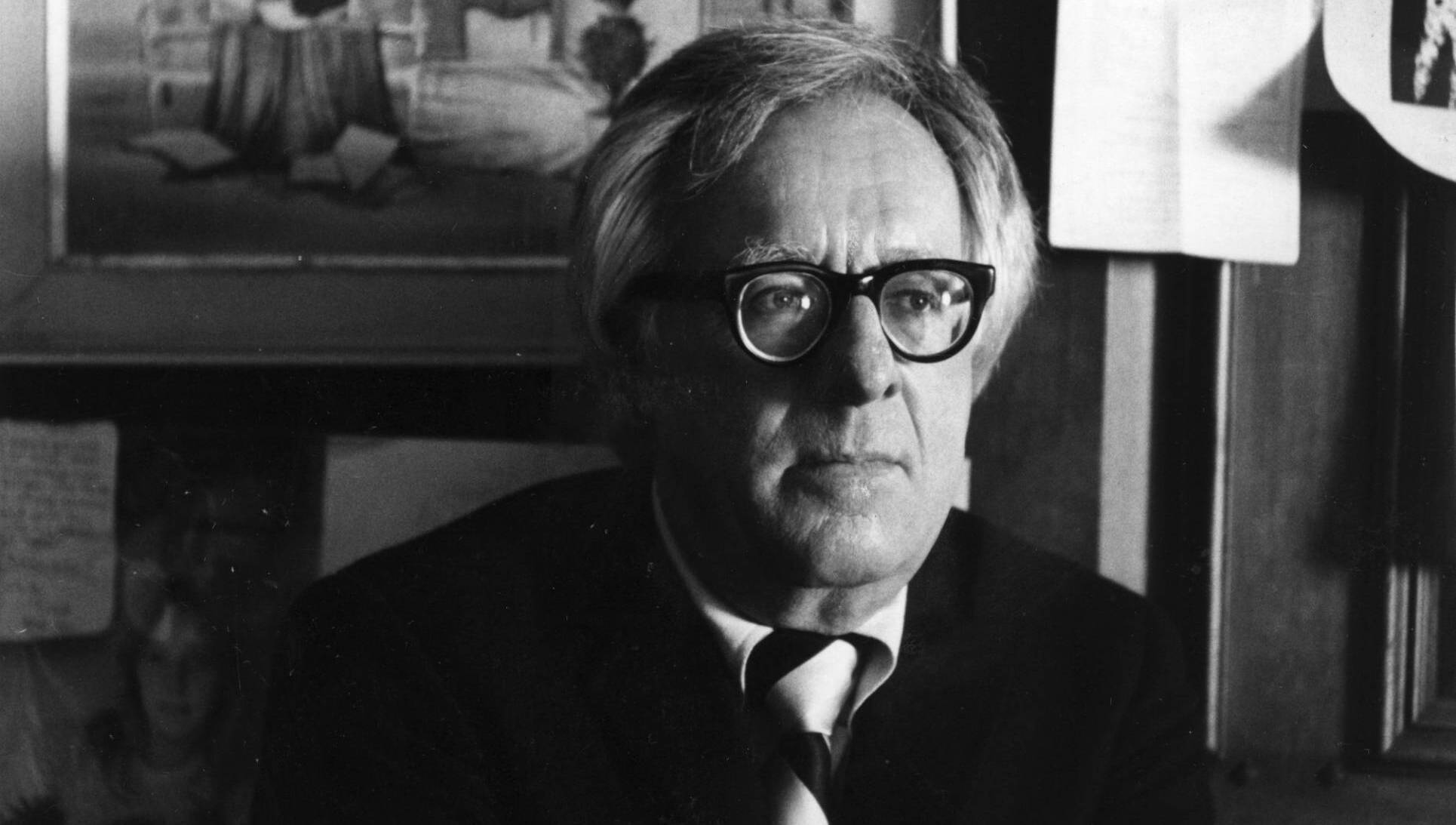
US writer Ray Bradbury had at least 500 stories published in his career. Picture: Evening Standard/Getty

I work with words for a living, but my last three milestones have been measured in numbers: 52, 15, and 240,000.
Actually, add a fourth: 41.
That’s 52 short stories finished, 15 published (with three more confirmed), and 240,000 words written — excluding the 21,000 scattered across various stories I consider active but incomplete.
The 41 is my age. These three milestones were all hit in the 12 months since I turned 40, and I hit 41 last weekend.
I don’t feel any older, though. If anything, I feel a touch younger. There is a calm that comes alongside it, a meditative peace that means I literally write my way out of stresses or low moods.
In many ways I feel like I’m only getting started. I tracked everything I’ve written and sent off for publication to keep myself somewhat accountable.
Any time I find myself flagging, or demoralised by story rejections (even full-time writers get them), I look back at how far I’ve come.
Perhaps now is simply the write place at the write time — stop the eye-rolling, I have three kids so I’m allowed to make a dad joke.
Writing isn't a consequence of hitting the big 4-0 milestone, but fueled by the confidence (after a few false starts) that it’s definitely my calling. I don’t do this for fortune and glory — there are no riches in short stories — but for the love of it and the accomplishment of saying: “I did this."
I had a post about my writing on social media earlier in the year, and somebody replied to say they hoped to have the success I’ve had.
I wasn’t sure they had the right person. I mean, I’m just me and haven’t even had a book out yet — though I have enough material to put two story collections out this second — but it remains an important nod from another writer that I have actually done something worthwhile.
Why write simply for the love of it? Well, why do any sort of creative work if you don’t have a bit of love for it? Use it for yourself, first and foremost.
If you like painting, paint something you’d like to see. If you like writing, write what you’d like to read. If you are stressed out of your mind, use whatever medium suits you to give you some sense of peace. Make your own milestones, literally or figuratively. I just find it easiest to do this with words.
The American author Ray Bradbury, whose is worryingly relevant in any era and who claimed to have written 1,000 stories in 10 years (he had at least 500 published in his career), wrote in his book that not only is writing a privilege that reminds you you’re alive and “you must stay drunk on writing so that reality cannot destroy you”.
It’s certainly my favourite weapon in the war against the grimness of reality, a way of exploring through ideas and where they take me.
Often I don’t know myself until I get there. Occasionally, I’ll write the ending and work my way toward it — but usually it’s because a scene or an exchange of dialogue has come into my head almost fully formed.
TS Eliot wrote that “to make an end is to make a beginning. The end is where we start from”. I’m not a big reader of his work, so I’m not sure he meant those words to apply to my writing process, but sometimes putting a barrier around a story world helps to keep it restrained and prevent it from ballooning into a novella.

I have my favourite stories too — such as Family Reunion , a piece featuring my wife, and , about a fisherman encountering a cosmic entity who helps him begin to tackle his grief.
I consider myself a horror writer, and yet neither of those are traditional horror. They’re more about emotion, and memory, and love. There’s a line in the 1960s film that’s always followed me. The lead character, Mary, is a church organist and is told “it takes more than intellect to be a musician, put your soul into it”.
That both my favourite stories feature death in a major way — in , one of the characters is Death — is more to use it as a catalyst than a theme, though it was perhaps inevitable for somebody whose first published fiction was a ghost story.
The writer Claire Keegan says that all writing is about loss. Not necessarily loss as in death, but loss in some way or another. That’s sort of stuck with me, even as I endeavour to resist reality in my own little way, marking milestones by simply chipping away at things at my own pace.
Here’s to another 12 months of adventures in writing. Maybe by this time next year I’ll be adding numbers to my milestone list that include books being published. I won’t know myself until I get there.
- David O'Mahony is assistant editor with the a historian, and a short story writer.