Emma DeSouza: Europe set to become more insular as right-wing politics gains traction
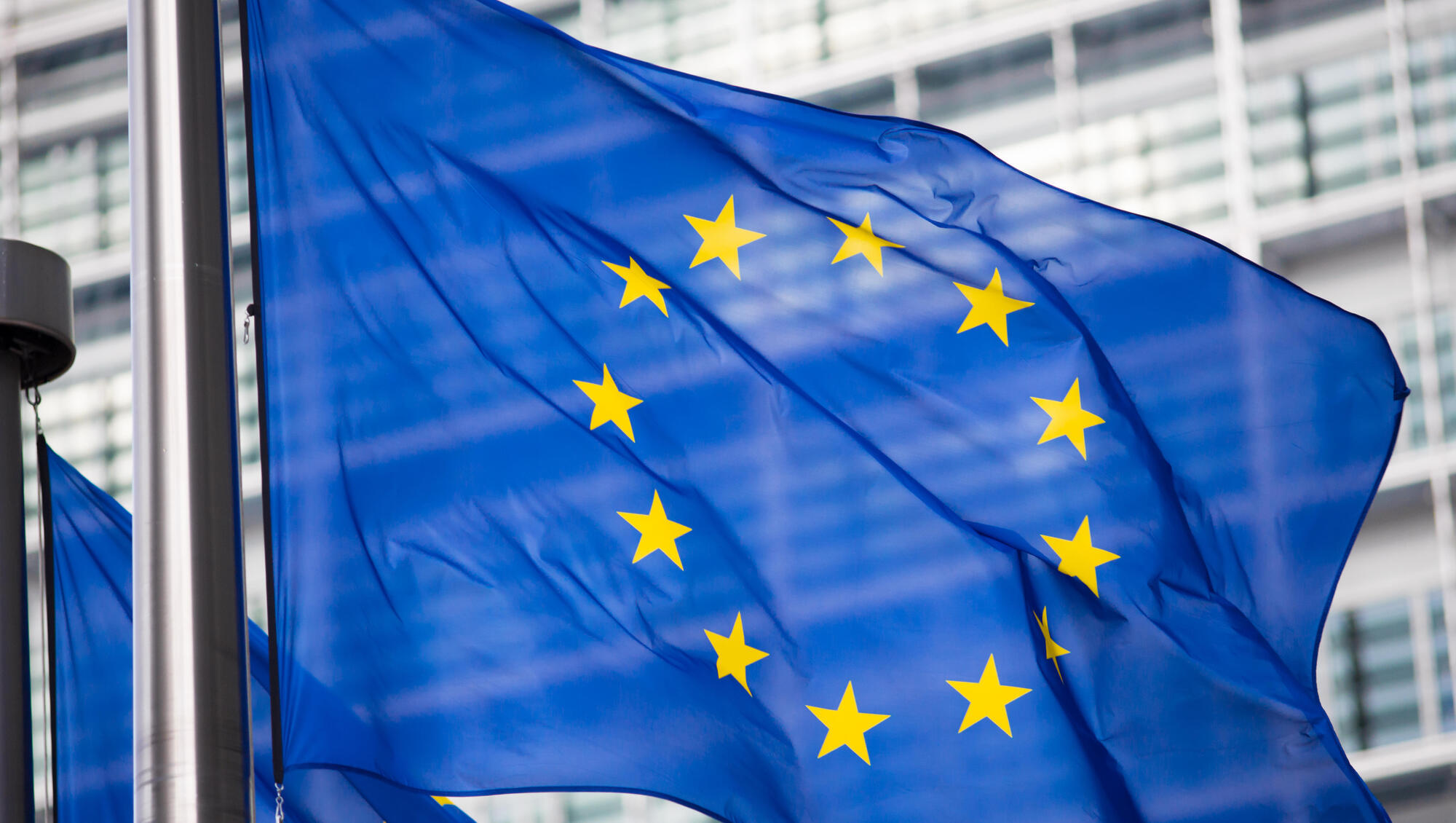
400m people from the 27 countries of the European Union will be called to vote in the European elections, voting-in 705 MEPs in a chamber whose composition will be key to security, peace, immigration, and the green transition. Picture: Alamy
If polls are to be believed, the next European parliament will be one of the most right-wing in the history of the EU, with far right parties expected to make significant gains across Europe.
The rise of the right has been fuelled by growing disillusionment with establishment parties, with one central point of contention: immigration.
A failure to address shortcomings within the immigration system has warped the political landscape in Europe, and a shift to the right will not smooth the cracks.
Seven out of ten Europeans believe that their country takes in too many migrants, according to a survey carried out by research company BVA Xsight for the European digital news magazine, ARTÉ Europe Weekly.
The survey showed that 85% of respondents feel the EU needs to take more action to combat irregular migration.
Immigration is the raison d'être of far right campaigns across Europe. In Ireland, where far right candidates have been springing up like daisies, a recent RTÉ television debate special was dominated by the subject of immigration.
The European Parliament sought to limit the use of immigration as a campaign issue in the European elections by ratifying the EU Migration Pact before the dissolution of parliament. This tactic plainly hasn’t worked.
The EU Migration Pact followed eight years of negotiations and aims to make sweeping changes to the bloc’s immigration policies.
Supporters say it will create a fairer system for distribution of asylum seekers, and a more cohesive joined-up approach between member states.
Detractors fall into two camps; for the left, the pact could lead to increased border detention and fingerprinting, while the far right contends that the pact does not go far enough to harden borders.
In the Netherlands, following months of talks, controversial right-wing politician Geert Wilders – whose party won the 22 November elections – has announced an agreement with two centre-right parties and the Farmer Citizen Movement party to form a government.
The coalition agreement includes strict measures against migration, allowing for "more deportations, including by force if necessary".
Wilders has committed to request an opt-out from the EU’s Migration Pact.
The Netherlands was also a signatory on a 15-member-strong letter regarding immigration which was sent to the European Commission in May.
The 15 countries to sign the letter were Bulgaria, Czech Republic, Denmark, Estonia, Greece, Italy, Cyprus, Latvia, Lithuania, Malta, Netherlands, Austria, Poland, Romania, and Finland.
The letter asks the Commission for "new ideas" to handle undocumented migration and suggests third countries could play a role in this.
The practice of deporting asylum seekers forms a famously contentious pillar of the UK Conservatives’ anti-immigration policy which sought to remove asylum seekers to Rwanda.
Austria's Chancellor Karl Nehammer recently praised the UK government’s Rwanda scheme. Austria has announced that it will campaign for a change in direction regarding asylum cases across the EU.
The country has elected successive coalition governments including the far-right FPÖ party — currently soaring in the polls.
The FPÖ is the successor to the Verband der Unabhängigen (Union of Independents), founded by former Nazi functionaries and SS officers in 1949 when former Nazis regained their right to vote.
European politics is slowly changing as, increasingly, established centre parties are lurching rightward to reach fringe political bases and entering into agreements with far right parties.
In France, President Emmanuel Macron’s struggles in enacting immigration reforms have underscored his weakened authority.
A toughened up version of a bill, endorsed by Macron, to reduce appeals by asylum-seekers and speed-up removals while regularising the status of immigrants in critical sectors was approved by the national assembly with the support of far-right leader Marine Le Pen, who claimed an “ideological victory”.
Several of Macron’s ministers threatened to resign over the legislation and almost a quarter of his centrist alliance declined to vote in its favour.
The philosophy of shifting government policy toward the right to placate far right extremists is also present in Ireland; the past six weeks have been dominated by ad hoc immigration policy changes, hostile language, and a failed attempt at appearing politically firm on migration.
From the unsubstantiated claim that the majority of asylum seekers were crossing the border from Northern Ireland, to the erection and removal of tents housing migrants in Dublin.
Rather than alleviate concerns over the government’s approach to immigration, the sequence of blunders has fuelled an escalation in far right protests, and in some instances, violence.
Sinn Féin has also been accused of adopting the language of the far right, consistently voicing their opposition toward “open borders”.
Ireland does not, in fact, have open borders — a detail that does little to quell far right agitators.
The catalysts of increased support for far right parties are socioeconomic; if governments do not address economic and social issues, they will only cede further ground to a political ideology that weaponizes societal deprivation for self-serving political gain.
Far right parties will make strides in the European elections — they may even expand their hold in Ireland.
With higher levels of representation, fringe parties will exert a greater level of influence on European policy which could result in more restrictive immigration rules.
Such a move would be short-sighted; with ambitious climate targets, the EU will be in dire need of a substantial influx of construction workers and skilled labourers for retrofitting and advancing green energy infrastructure.
By creating an isolationist immigration policy, Europe could face a serious skills shortage.
400m people from the 27 countries of the European Union will be called to vote in the European elections, voting-in 705 MEPs in a chamber whose composition will be key to security, peace, immigration, and the green transition.
If the far right achieves its aims, Europe will become more insular at a time when globalisation is redefining the world as we know it.
CONNECT WITH US TODAY



Be the first to know the latest news and updates