Road death figures prompt calls for harsher punishments from campaginers
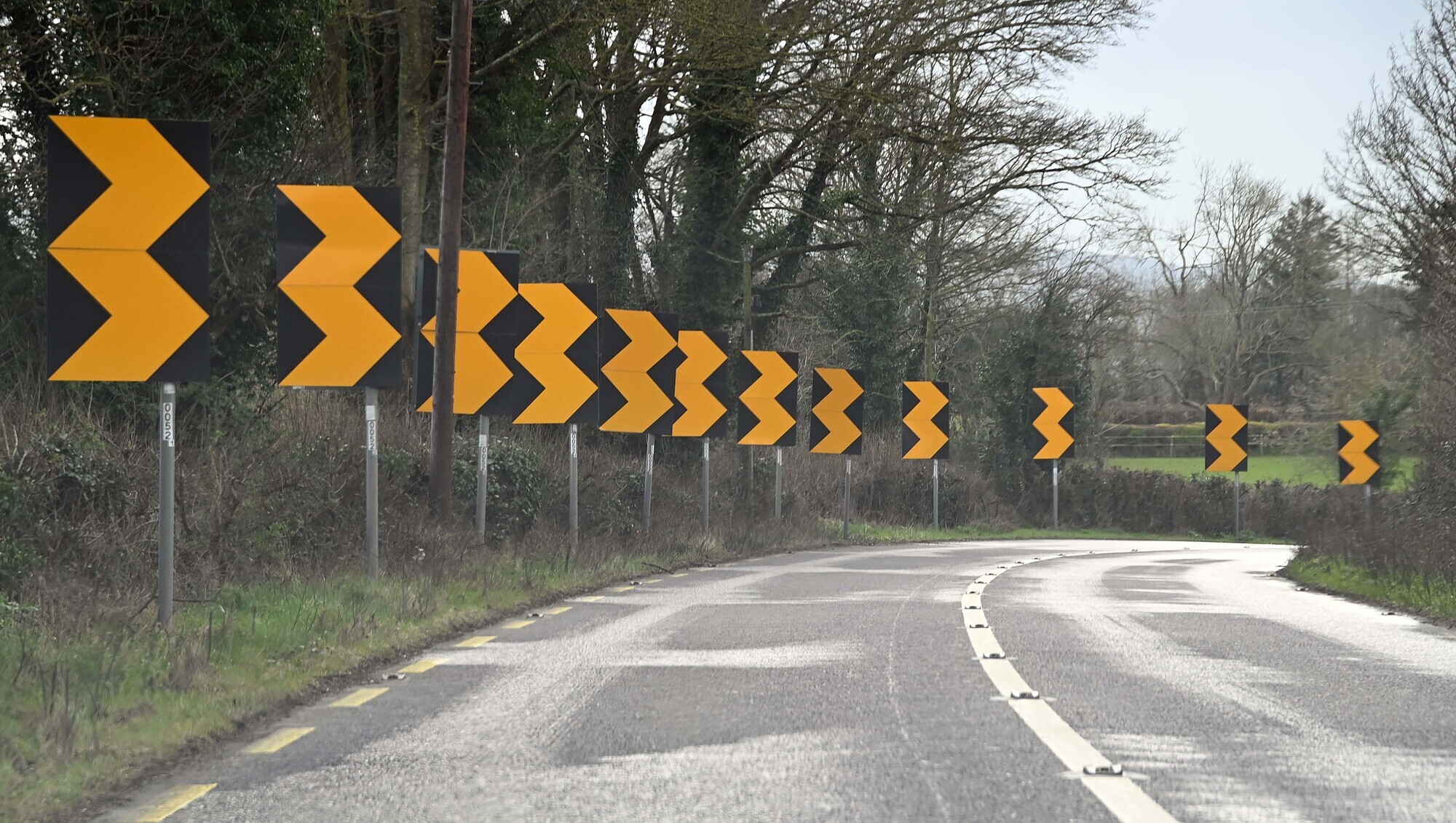
The number of road deaths in Ireland are on track to be at their highest in 10 years. Road safety campaigners have called for measures such as greater fines and sentencing for dangerous drivers as well as the establishment of a road safety commissioner role. Picture: Denis Minihane
With the number of road deaths on course to be the worst for more than 10 years, a Government-initiated review of the Road Safety Authority (RSA) is timely.
The RSA’s stated mission is to save lives and prevent injuries by “helping reduce the number and severity of collisions” but the trend is going in the wrong direction.
The Department of Transport has said the review is a comprehensive examination to “ensure the authority is fit for purpose”.
However, the RSA is not the only body to have a finger pointed at it in the scramble to figure out why road safety is in such a crisis.
Gardaí have also come under the microscope.
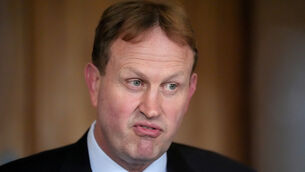
Minister of State at the Department of Transport Jack Chambers, for example, recently said the number of gardaí involved in road policing is “not sufficient and isn’t acceptable”.
If you talk to road safety campaigners, many believe there are a multitude of reasons behind the spike in road deaths.
There could be more gardaí, of course, and the RSA could be more effective, but campaigners generally feel that these bodies are doing what they can within available resources.
They want bigger fines and longer sentences for road traffic offences, and more speed cameras.
They believe road safety should be taught in primary schools, and that there should be a single road safety commissioner with overall responsibility across all the different bodies.
They also believe the RSA should concentrate solely on road safety, leaving driver tests, permits, and licensing to separate organisations.
Cork campaigner Olivia Keating said much of the focus needs to be on the drivers.
“Neither the Road Safety Authority nor gardaí are behind the wheel when cars crash,” she said.
“The harsh reality about most fatal crashes in this country is that it’s drivers themselves, a significant number of which are simply not taking road safety seriously enough.
“I think there is only so much the RSA and gardaí can do because, at the end of the day, road safety is up to the likes of you, me, and everybody else who gets behind the wheel of a car.”
Ms Keating, who suffered multiple fractures to her face, a traumatic brain injury, and a broken back when she was knocked off her bike by a hit-and-run driver in 2016, added: “People are always going to want to blame somebody else, but that is only to help them avoid looking at their own behaviour.”
She believes fines and sentences for speeding and other serious motoring offences should be increased, and there should be more speed cameras.
“You can be caught drink driving and be back on the road,” she said.
“That is not right. Additionally, if your driving leads to someone dying or being seriously injured, you are also back on the road. I think if people realised they could only get back on the road if they are cleared of the offences they are charged with in relation to such a serious crash, they would think twice about the way they drive.
“Instead, everybody knows that, regardless of what happens, you are able to drive after a crash. I do think personal responsibility is gone.
“If people know there is going to be no huge repercussions for their driving, they will just continue speeding and being reckless, like being on their phone. It is sad that we all have to be watched and photographed and monitored because of the way a small majority of people drive but with so many people dead, the powers that be now have no choice.”
Elber Twomey, whose husband, son, and unborn daughter died after the family’s car was rammed by a suicidal driver, believes road safety is a national crisis.
“We need a united road safety plan that will combine the knowledge, skills, and attitudes of the Department of Transport, An Garda Síochána, the Road Safety Authority, and the Department of Education,” she said.
“We need to get into our schools early in their primary school education and teach our children the proper knowledge, skills, and attitudes of walking and cycling on our roads and wearing seat belts.
“These attitudes that will be fostered in our younger kids should be built upon in their secondary school education, leading them to achieve getting their learner driver permit or better before they leave second-level education.
“Our teenagers need to be exposed to the harsh reality that for every one person who dies, there are five more people left with life-changing injuries in the other crashes that we probably don’t hear about.” Award-winning cycle safety campaigner Phil Skelton said road safety commissioner.
“We badly need someone to oversee all the different strands that there are to road safety and draw them all together,” he said.
He believes enforcement — or the lack of it — is “a huge issue”.
“I lived in Australia for 10 years and I was breathalysed seven times,” he said.
“But I have been back in Ireland now for 28 years and I have never been breathalysed. That tells its own story.”

CONNECT WITH US TODAY



Be the first to know the latest news and updates