Cormac O'Keeffe: Ireland is 13 years without a dedicated minister for defence
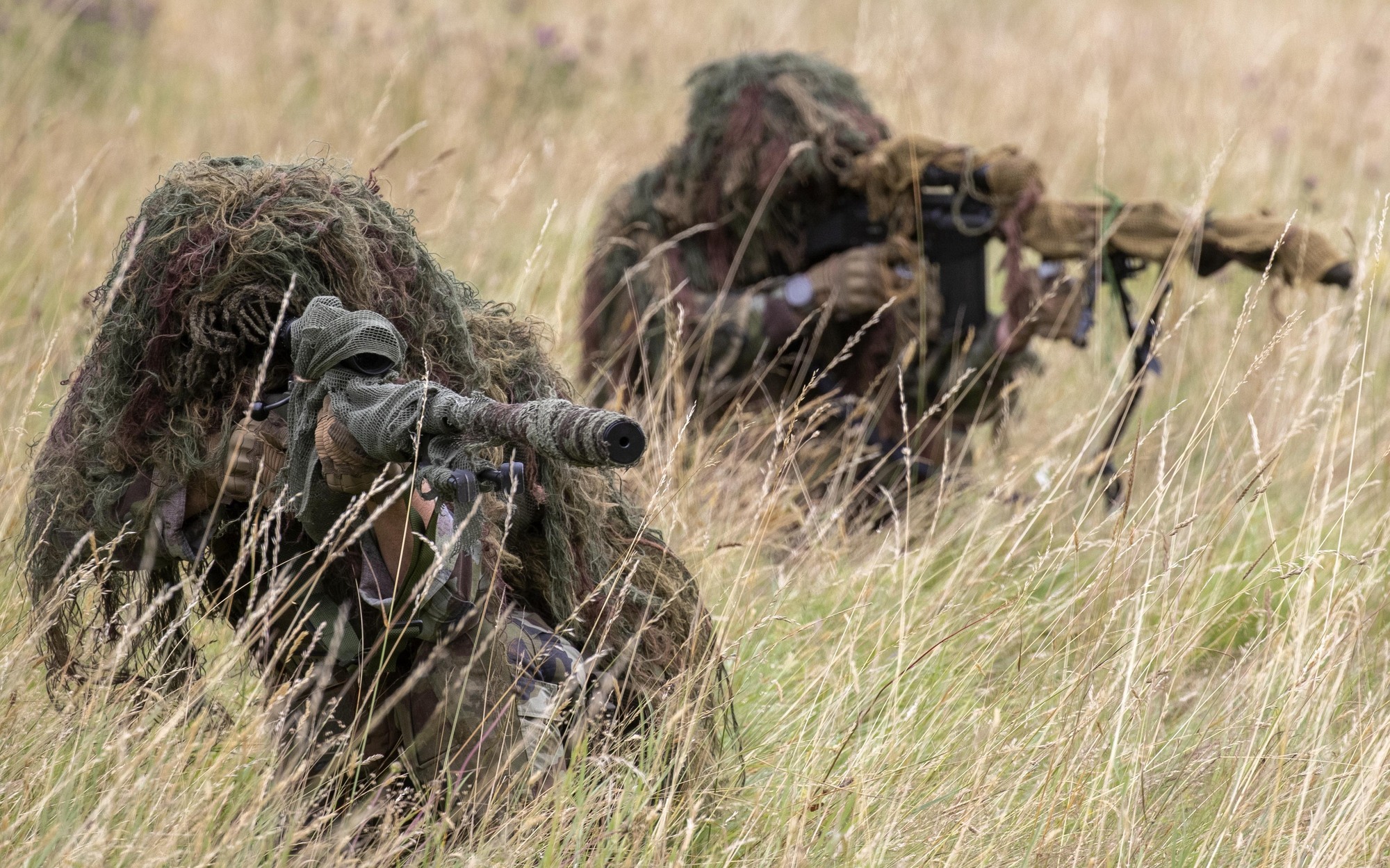
On top of the international and national security pressures for a minister of defence, the Defence Forces is going through a massive reform and investment overall, with plans for a major expansion in numbers and assets as well as structural and command reforms. Picture: Colin Keegan, Collins Dublin
In his farewell speech, outgoing Taoiseach Leo Varadkar raised issues he thought were worth highlighting to the nation.
There were no surprises in most of them — relating to the economy, housing and health — but one did stand out: national security.
It is a topic typically on the fringes of political priorities. So, for it to feature in his top five issues, is significant.
What he said is worth repeating: “The fifth [issue] is national security. For the first time in decades, we have a full-scale war in Europe with Russia’s invasion of Ukraine.
“Sweden has abandoned 200 years of neutrality. Finland has joined Nato.
“Some European countries are debating the re-introduction of national service, others raising taxes, cutting expenditure and reducing holidays to pay for increased defence spending.
“European leaders I speak to see very dark clouds on the near horizon. They may be wrong. I hope they are wrong.
“We cannot assume they are, or ignore the growing risks of a world in which democracy is in retreat and autocrats more powerful.”
Mr Varadkar added: “Our geography and neutrality do not protect us in the way they did in the past and the nature of security threats has changed utterly.
He condensed a lot of the key international security issues into a few short sentences. Many people listening to that would think security is something Ireland is on top of.
Ireland arguably punches above its weight internationally in terms of foreign policy, informed by international law and human rights, as reflected in its official position, and strong ministerial statements, on Ukraine and Gaza.
But what Ireland has in its foreign policy, it does not have in defence. In contrast to what the outgoing Taoiseach said, Ireland still does not have a dedicated minister for defence. In fact, we have been without one for more than 13 years.
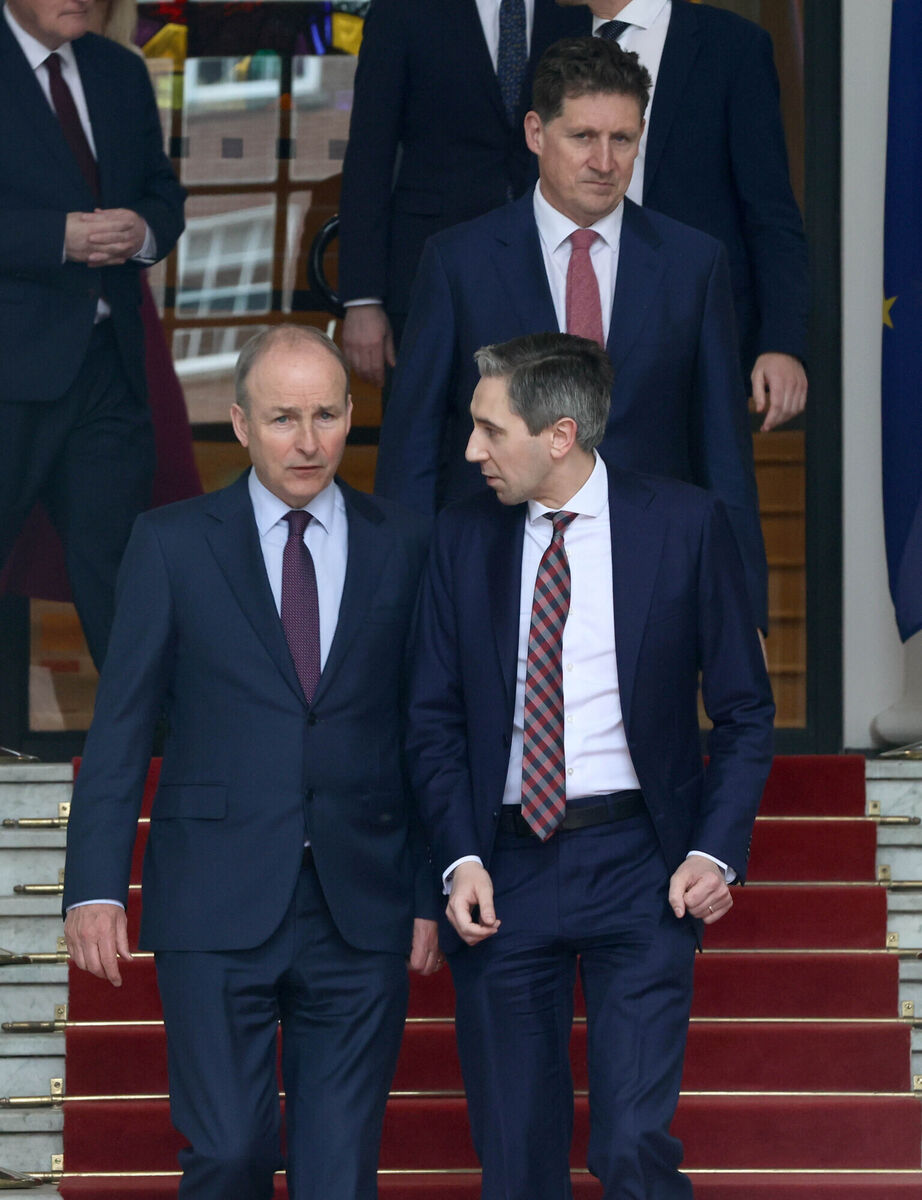
Micheál Martin is the defence minister, but that is attached to his two primary roles as Tánaiste and Minister for Foreign Affairs.
Except for Malta, Ireland is the only member state of the EU that does not have a minister for defence. In addition, in most EU countries, the Minister of defence has no additional portfolios.
Malta has a population of just over 500,000, compared to Ireland’s five million. Like Ireland, Malta is militarily neutral. Austria is the only other neutral EU state and it has a minister for defence.
Slovenia, with a population of just over two million, has a minister for defence. Croatia, with a population of over four million, has a minister for defence, though with the wars during the break-up of Yugoslavia, that is not a surprise.
Ireland is one of four EU countries with a population in the five million mark. Finland, bordering Russia, Denmark and Slovakia all have a defence minister. (Norway, also in the same population bracket, has a defence minister, but is not in the EU).
Tiny Luxembourg, with a population around 650,000, has a defence minister, albeit with two other briefs. Cyprus, with a population of 1.25 million has a minister for defence, though, given its history, that isn’t surprising.
Granted, 23 of the EU's 27 countries are members of Nato, perhaps requiring a minister for defence. In Europe, but outside the EU, Montenegro, population 620,000, has a minister for defence. Albania, population 2.8 million, has a minister for defence.
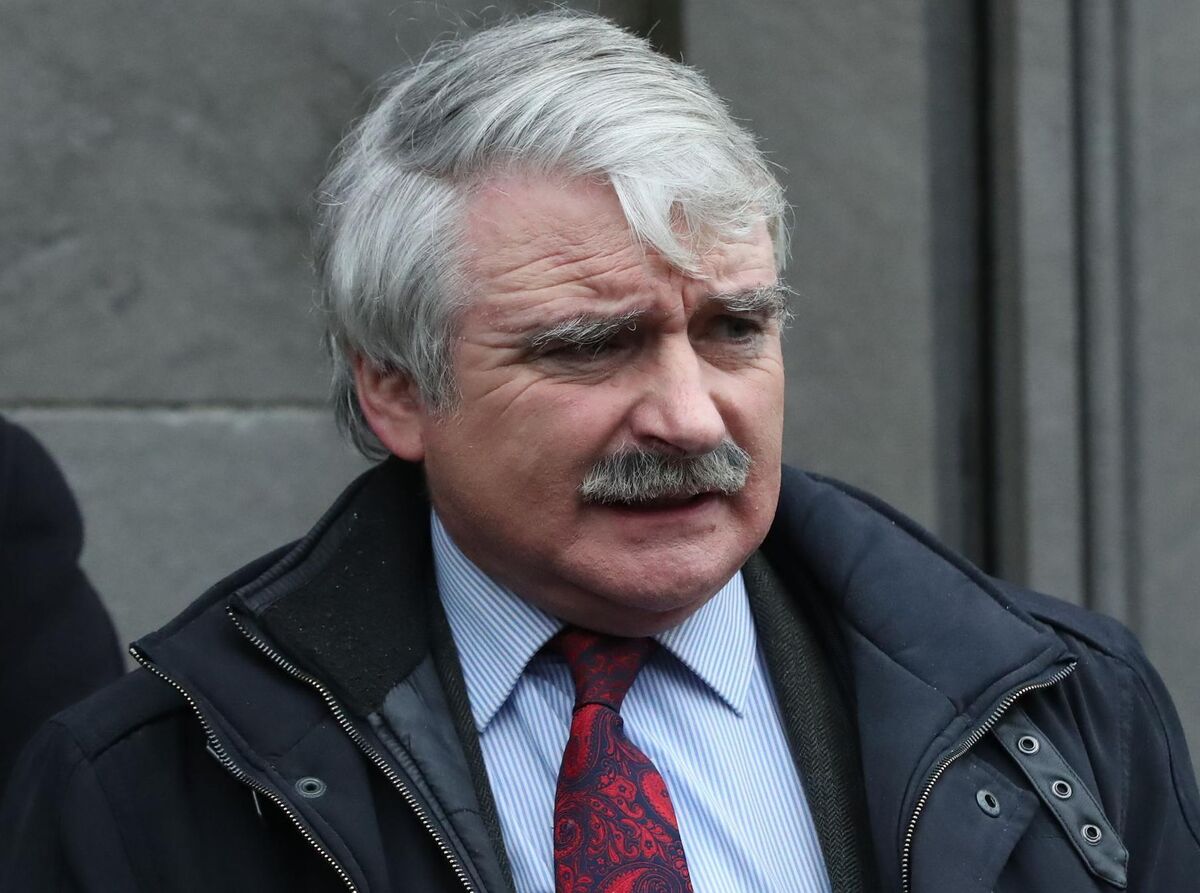
Ireland’s dedicated minister for defence effectively ended in 2010, when Fianna Fáil’s Willie O’Dea resigned over a political controversy. The position was temporarily subsumed into the Department of the Taoiseach, before the last dedicated minister of defence, Tony Killeen, navigated the ship for some 10 months.
In January 2011, the portfolio was added to Éamon Ó Cuív's brief, who was environment minister. Since then, it has been added to various ministers.
In July 2011, in response to the financial meltdown of the country and international controls, the Government created a new ministry and department — Public Expenditure and Reform.
It was no doubt required at the time and arguably for a significant period afterwards, but there are grounds to question if it needs to continue — as Independent TD for Kildare, and former Army officer, Cathal Berry, has argued.
Ireland is a bit of an outlier in having effectively two finance ministers. Deputy Berry has suggested bringing it back into the Department of Finance as a super junior ministry.
The Constitution limits the maximum number of ministers to 15.
But, as with public expenditure, that does not mean the deck chairs can't be changed. In July 2020, the Department of Further Education was created and, with it, a full-time minister — creating two education ministers.
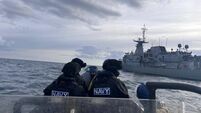
On top of the international and national security pressures for a minister of defence, the Defence Forces is going through a massive reform and investment overall, with plans for a major expansion in numbers and assets as well as structural and command reforms.
It is one of the reasons why former Foreign Affairs Minister Charlie Flanagan has also argued for a dedicated minister of defence.
Ireland has been gradually deepening linkages with the EU and Nato in areas of crucial importance to our national security — including maritime security and cyber security and, within the EU, in re-purposed battlegroups.
Ireland is currently vying for what is effectively the role of EU’s top military advisor, one of three countries in the running. The EU Military Committee (EUMC) is the union’s highest military body and its chair advises the EU’s outspoken chief diplomat Josep Borrell.
It would be ironic if Ireland landed that job next month but had no dedicated minister of defence back home.
CONNECT WITH US TODAY



Be the first to know the latest news and updates