The MMR vaccine is safe, effective, and the best protection against measles
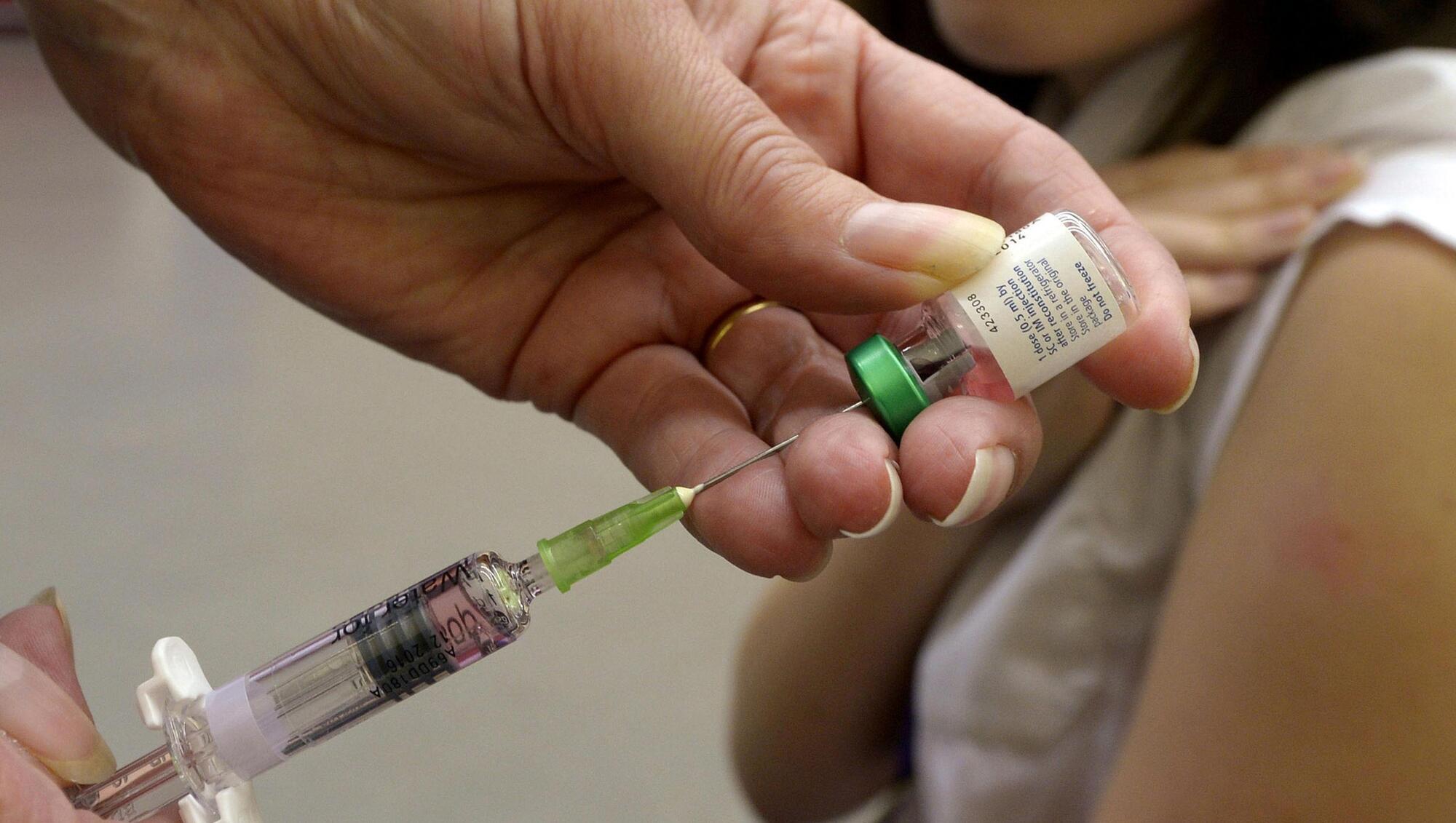
, the uptake rate for the MMR vaccine in Ireland has fallen below 90% nationally and in some counties, the rate is as low as 80%. Picture: Owen Humphreys/PA
The MMR vaccine is so safe and so effective that we have almost forgotten what a serious illness measles can be.
Following weeks of speculation, an adult with a confirmed case of measles tragically died earlier this month.
It was the first confirmed case of measles notified in Ireland this year.
Public health teams and the Measles National Incident Management Team are taking all necessary public health actions in relation to the case, the HSE said in a statement.
Chief Medical Officer (CMO) Professor Breda Smyth said she is very concerned that Ireland is "at high risk" of a measles outbreak.
Unfortunately, the uptake rate for the MMR vaccine in Ireland has fallen below 90% nationally and in some counties, the rate is as low as 80%.
As cases in the UK and across Europe continue to rise, Prof Smyth is urging anyone considering travel to ensure that they and their children are protected.
"The MMR is a safe and very effective vaccine," Prof Smyth added.
A brief look at the history of measles in Ireland, before the vaccine was available, paints the picture of what life with measles was like. Almost 100 years ago, in 1926, the annual report of the registrar general reported 519 deaths from measles.
Of those, 409 were children under the age of 5 and more than half (274) were under the age of 2 years.
Since measles became a notifiable disease in 1948, the data is increasingly reliable. In Ireland between 1948 and 1984 an average of over 5,000 cases of measles were reported each year.
After the introduction of the measles vaccine in 1985, the number of cases dropped like a stone from 10,000 cases in 1985 to 201 cases in 1987.
The HPSC annual report 2005 stated the highest number of notifications since 1948 was in 1959 when 15,134 cases were reported. In the 1970s, an average of 2,327 cases of measles were notified each year, with an average of seven deaths every year from measles.
By 1991, six years after the introduction of the measles vaccine, the number of measles notifications had dropped to 135 — just over 0.01% of what it had been in 1985.
According to the World Health Organization, the safe and cost-effective vaccine is reported to have prevented the disease and averted an extraordinary 56m deaths globally between 2001 and 2021.
This is a disease that is highly infectious, with a serious risk of complications if infected.
The Centres for Disease Control and Prevention (CDC) report that one in five unvaccinated people who get measles are hospitalised, and one in 20 get pneumonia, the most common cause of death in young children.
About one child out of every 1,000 who get measles develops encephalitis that can lead to convulsions and results in deafness or intellectual disability.
One to three of every thousand children who become infected with measles will die from respiratory and neurologic complications, the CDC reports.
Measles may cause pregnant women who have not had the MMR vaccine to give birth prematurely or have a low birth-weight baby.
The last major outbreak of measles occurred in Ireland between December 1999 and July 2000, with the majority of cases in North Dublin.
A paper in the Paediatric Infectious Disease Journal reported that 111 children were admitted to Tallaght Children’s University Hospital (TCUH) and the reasons for admission included dehydration (79%), pneumonia (47%) and tracheitis (32%).
Thirteen children required treatment in ICU and 7 of these required mechanical ventilation. Tragically, there were 3 deaths.
"The outbreak posed a major challenge to the hospital and the community in the first half of 2000. The national MMR immunisation rate was gravely suboptimal at 79% whereas the rate in North Dublin, the catchment area of TCUH was less than 70%.
"Three children died as a result of a vaccine-preventable illness," the authors of the paper wrote.
There were 42,000 measles cases across 41 member states in the World Health Organisation (WHO) European Region in 2023 — up from 941 cases reported in all of 2022.
This trend has accelerated in recent months.
WHO said that this resurgence in measles cases is largely attributed to a backsliding in vaccination coverage, with 1.8 million infants missing their vaccinations between 2020 and 2022.
Reasons for missing scheduled vaccinations include the covid pandemic which induced disruption of the childhood vaccination schedule as well as misinformation about the safety of the vaccine.
The UK Health Security Agency (UKHSA) has declared a ‘national incident’ over rising measles cases, with NHS figures reporting more than 3.4m children under the age of 16 years unprotected and at risk.
In Ireland, figures from the Health Protection Surveillance Centre (HPSC) report uptake of the second dose of MMR vaccine for children for 2021/2022 school year at a low of 87% — nowhere near the 95% coverage required to prevent outbreaks occurring up and down the country.
Professor Breda Smyth reported recently that no country has achieved 95% uptake and in some parts of the country, such as Louth and Meath, uptake rates are below 80%. Prof Smyth warned:
With the school mid-term break now here, many families with young children will be looking forward to a much-longed-for downtime with a break from routines, work and studies.
But with measles figures surging in the UK and many parts of Europe, it is critical that parents check young children have received their MMR at 12 months and their booster MMR at ages 4-5, before travelling.
Measles is so infectious that high levels of travel during the mid-term break put all unvaccinated children at increased risk.
This safe and cost-effective vaccine is reported to have prevented the disease and averted an extraordinary 56 million deaths between 2001 and 2021.
The really good news is that more than 99% of individuals who receive two MMR doses develop immunity to measles.
Two doses of MMR are required to ensure protection, as a small fraction (two to five per cent of children) fail to respond to one dose of MMR. In Ireland, vaccination with the first dose of MMR is recommended at twelve months of age and the second dose at four to five years of age.
The mid-term break is a good opportunity to check vaccination records and if the MMR vaccine has been missed, by children, teenagers or young adults, make an appointment with your GP to get a catch-up vaccination as soon as you can.

CONNECT WITH US TODAY



Be the first to know the latest news and updates