Mick Clifford: People are left to make up their own mind on whether or not Bailey is a killer
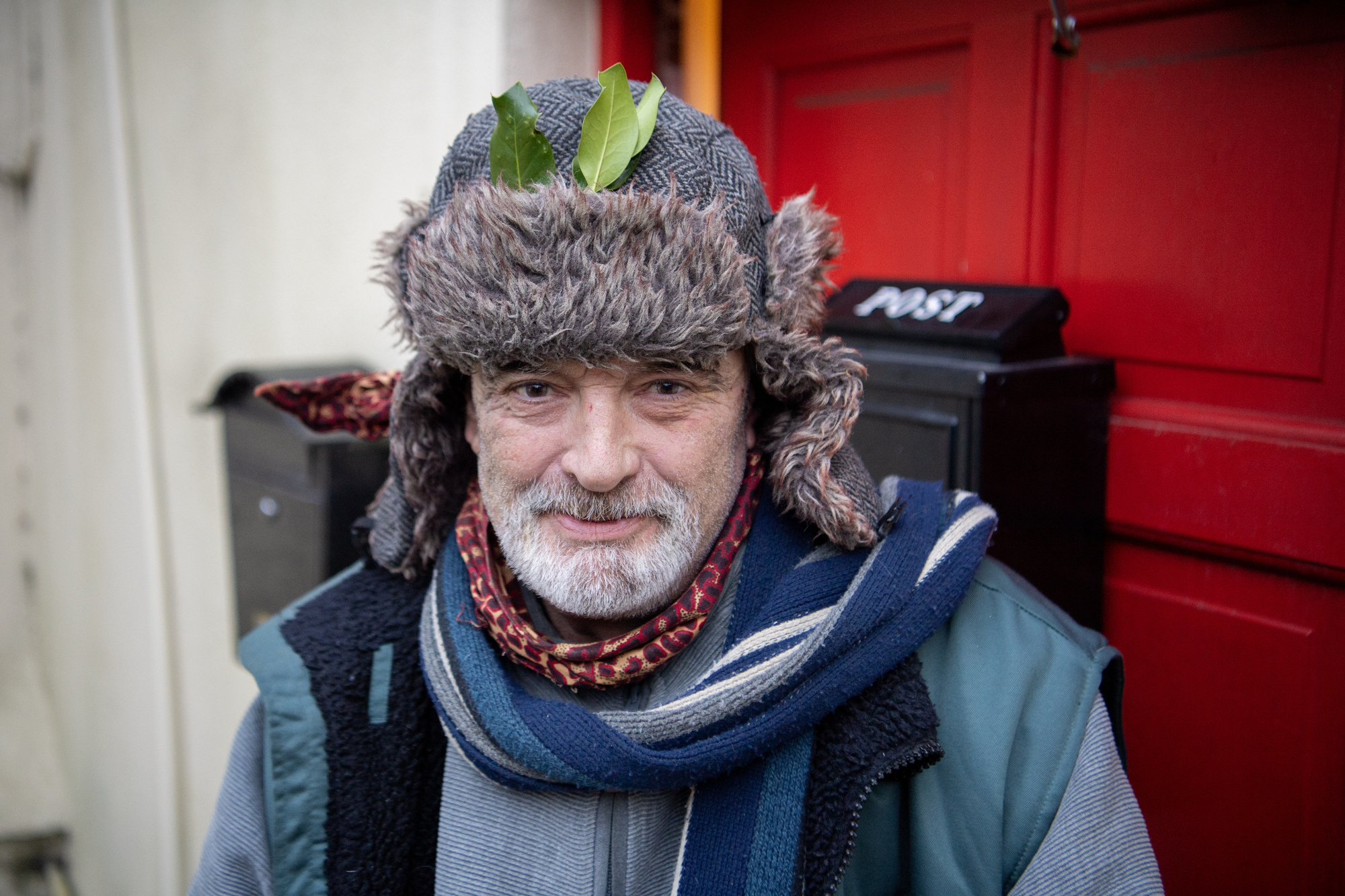
Ian Bailey’s own actions often heightened suspicions. Picture: Dan Linehan
- This article is part of our Best of 2024 collection. It was originally published in January. Find more stories like this here.
Ian Bailey was entitled to the presumption of innocence on the day he was first arrested for the murder of Sophie Toscan du Plantier.
That was two months after Ms Du Plantier’s body was found on December 23, 1996. Last Sunday, on the day he died, Bailey was still entitled to the presumption. At least he was in this country. In France he was convicted of murder in 2019 and has the standing of a murderer in French law.
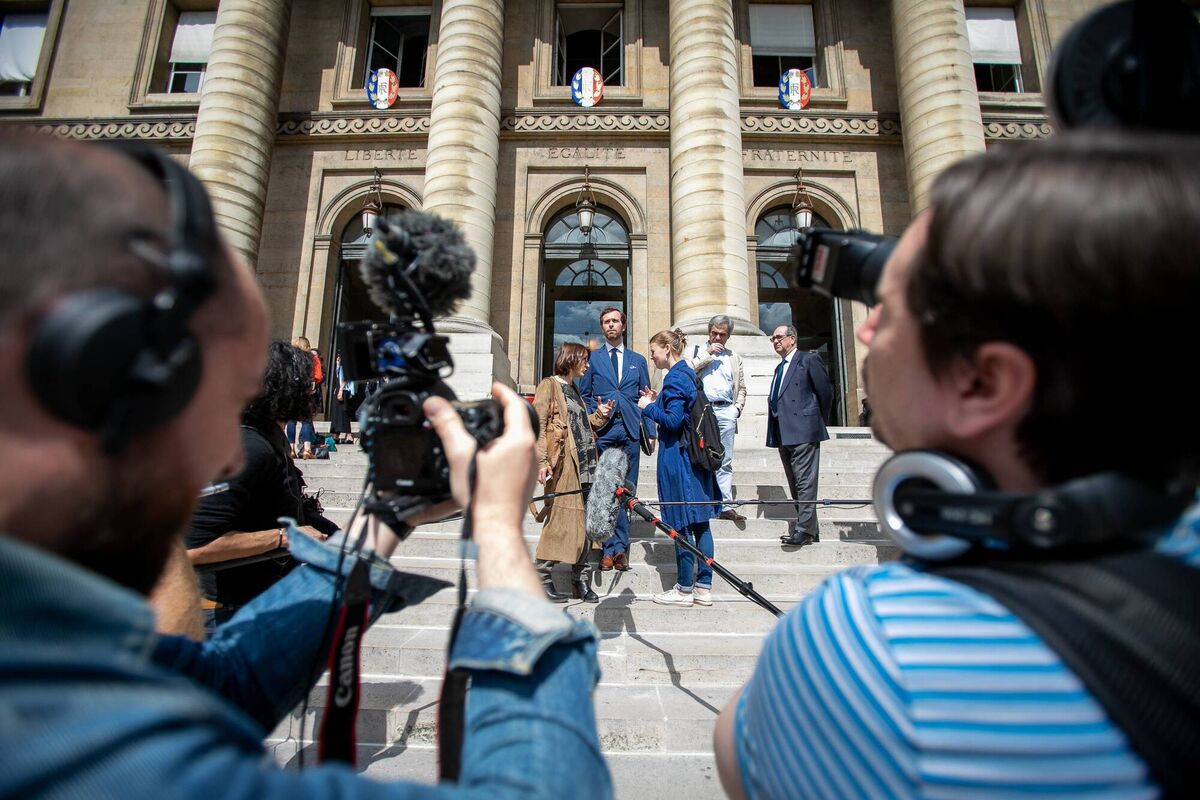
The trial in Paris at which he was convicted was shocking in its process and outcome. For this observer, who was present for the duration of the trial, it had all the hallmarks of a confirmatory hearing into the guilt of the defendant.
Bailey did not deserve to have the tag of murderer attached to him on the basis of such a trial. So it might well be posited that through 27 years of inquiries and investigations, he emerged from the processes as a man who was legally innocent.
That doesn’t infer as a fact that he didn’t kill Ms Du Plantier. There is circumstantial evidence that he was capable of it. Neither does it rule out the possibility, albeit unlikely, of some evidence emerging in the future that would implicate him.
In terms of other suspects, none have been identified beyond supposition. But the evidence that Bailey was involved in a brutal killing simply never reached a threshold where he could be tried, not to mind convicted of the murder.
There was no shortage of people eager to pursue him. The manner in which the gardaí investigated the murder came in for serious criticism. In February 1997, a Garda report to the Director of Public Prosecutions (DPP) stated that it was “of the utmost importance that Bailey be charged immediately with this murder as there is every possibility he will kill again”. Such a sentiment emanating from investigating gardaí polluted the whole process.
A subsequent analysis in the DPP’s office noted that: “Ian Bailey was believed by the public particularly in the local area to be responsible for the murder. The fear engendered was bound to create a climate in which witnesses became suggestible.”
(The gardaí subsequently disputed aspects of the DPP analysis.)
If Bailey had been charged, there would have been relief in Government Buildings as it would avoid hassle with the French. It would also satisfy a public — and media — mood in which Bailey was obviously guilty if we could just get past the technicalities. In such a milieu, it is commendable that the DPP ignored all pressure and on at least three occasions concluded Bailey had no case to answer.
The French were equally as enthusiastic in hunting him down. They began an investigation in 2012 and applied for his extradition. Refusing the application judge Adrian Hardiman mentioned the extent to which the crime in question had been investigated.
“Mr Bailey has been very thoroughly investigated in Ireland in connection with the death of Madame du Plantier,” the judge ruled.
“There was certainly, as will be seen, no lack of enthusiasm to prosecute him if the facts suggested that there was evidence against him. He has been subjected to arrest and detention for the purpose of questioning…
“The fruits of the investigation have been considered not once, but several times by the DPP who has concluded and reiterated that there is no evidence to warrant a prosecution against him.”
The refusal to extradite Bailey didn’t deter the French. They continued the chase, which included travelling the West Cork and being assisted by An Garda Síochána. Charges were brought and Bailey put on trial in Paris in absentia.
The tenor of the evidence heard was, by the standards of Irish courts, appalling. At the end of it, Bailey was found guilty. The French then made an application — the third — for his extradition based on the conviction.
If Bailey had been sent to France he would be have been put on trial again. What if he had been found not guilty in that second trial? Would the French have been happy to wave him on his way back to Ireland? As it was to turn out the Irish courts refused once more to extradite him.
Bailey’s own actions heightened suspicion around him. He was not a sympathetic character. He pursued a libel action in 2003, in which a body of evidence, not least his own testimony and details of extreme violence against his partner Jules Thomas, all further pointed towards his character and capacity for murder.
He was constantly in the media, and with each appearance probably reinforced the view among many that he was guilty. Even when the evidence emerged of the major flaws with the initial investigation, a large body of public opinion continued to believe he did it. As a man who projected himself as grievously wronged, he was simply unable to get out of his own way.
Despite all that, Ian Bailey is not the most important or even — were he to be believed — the most wronged person in this story.
At the trial in Paris the only saving grace from the whole farrago was testimony given by Ms Du Plantier’s son, Pierre-Louis Baudey-Vignaud.
He told of how he and his mother were close as he was an only child and she divorced. “I lived alone with her for a long time so I knew her well,” he said.
“We had a shared understanding of suffering in the world. For instance, the Jews having to be hidden in France during the World War. She lives through me.”
The account of his loss, the gaping hole in his life, was presented to the court soberly and all the more powerful for it. He was 15 when his mother was murdered. He has spent 27 years trying for find out who was responsible for taking her life and shattering his.
He and his family are entitled to answers, although the chances of receiving something conclusive are now remote. His unshakable belief that Bailey is guilty and has managed to beat the rap is understandable. But deeply held emotion or even firmly rooted suspicion can’t be a substitute for a proper threshold of evidence in deciding whether somebody be put on trial for murder.
People will make up their own minds on whether or not they believe Bailey did it. Ultimately, however, the decision not to prosecute him was the correct one.

CONNECT WITH US TODAY



Be the first to know the latest news and updates